Beyond the Prado: The Hidden Gems in Madrid That Madrileños Love
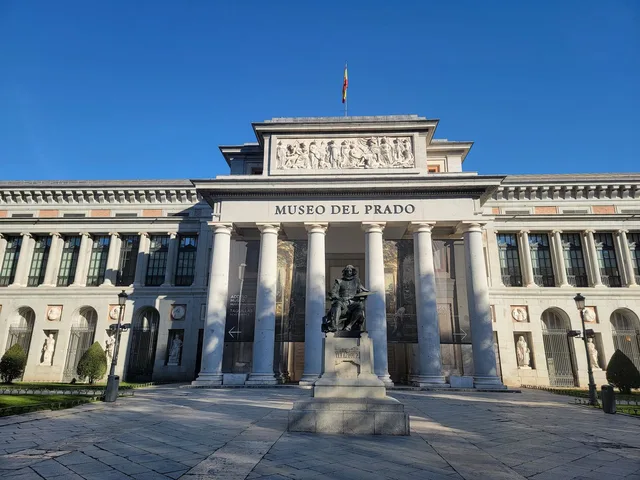
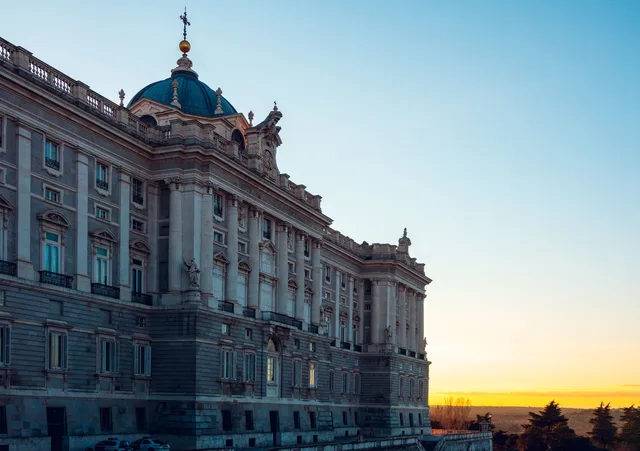
Every visitor to the Spanish capital starts with the same list: the Prado Museum, Retiro Park, the Royal Palace, a wander down Gran Vía. All of it is worthwhile, and no trip to Madrid is complete without the classics. But Madrid's hidden gems are waiting just off the main circuit, and they are, in many cases, better than what you queued for. A ghost metro station preserved in early 20th-century amber. A palace museum where Sunday entry costs nothing. A park Goya used to visit that most tourists never find.
This guide covers the favourite spots that madrileños know, the places to visit in Madrid that do not come with a queue, and the side streets worth turning down. Madrid's hidden gems are not difficult to reach. They are simply off the beaten track that most tours follow, which is exactly what makes them worth finding.
Museo Cerralbo: Former Home Turned Free Museum
A short walk from Puerta del Sol, near Plaza España, sits one of Madrid's most overlooked hidden places: the Museo Cerralbo. This was the former casa and private collection of the Marquis of Cerralbo, a 19th-century aristocrat who spent decades assembling art, armour, tapestries, and antiquities, then left everything to the state on one condition: nothing was to be moved. More than 50,000 objects fill the rooms exactly as he arranged them. Walking through feels less like visiting a museo and more like snooping around a frozen-in-time palazzo.
General admission is €3, with concessions at €1.50. Entry is free every Sunday and every Thursday evening from 5pm to 8pm. No advance booking is needed. The ballroom on the upper floor is one of the most beautiful rooms in Madrid, and on a Thursday evening you will likely have it almost to yourself.
Local tip
The ballroom at Museo Cerralbo has ceiling frescoes, mirrored walls, and an atmosphere that feels completely surreal for a museum that almost nobody talks about. Come on a Thursday evening when entry is free and the afternoon crowds have gone.
Andén 0: Madrid's Ghost Metro Station
In 1919, Madrid opened its metro system with a station at Chamberí. In 1966, the station was closed because the platforms were too short for modern trains. It sat sealed for decades while passengers rattled through on every service without knowing it was there. In 2008 the station was restored and reopened as Andén 0 (Platform Zero), and it is one of the more unusual things you can do in Madrid.
The original ceramic tile advertising panels from 1919 line the walls. The ticket booth and turnstiles have been fully restored. Entry is free, but visits are guided and capped at 28 people. Tours run Friday to Sunday only. Book your spot at museosmetromadrid.es before you travel.
Local tip
Modern metro trains still run through the station on the active line, separated from the museum platform by a glass barrier. You can stand on the 1919 platform and watch a current train thunder past at full speed. It is genuinely eerie, and it is the moment every visitor remembers.
El Capricho Park: Off the Beaten Track and Worth Every Minute
Around 30 minutes on Line 5 from central Madrid, El Capricho is beautiful, formally laid out, and almost no tourists go there. It was laid out from 1787 by the Duchess of Osuna, a major patron of the arts who hired Jean-Baptiste Mulot (the French royal gardener who had worked for Marie Antoinette) to design the grounds. The park became a gathering place for the Spanish intellectual elite of the era. Goya was a regular visitor. The Duchess died in 1834 before the project was complete, and the grounds were finished in 1839.
Today the park has ornamental temples, fountains, a small palace, and a Civil War bunker hidden in the grounds. Entry is free. The only catch is access: El Capricho opens on Saturdays, Sundays, and public holidays only, with capacity limited to 1,000 visitors.
| Season | Opening hours |
|---|---|
| April to September | 9am – 9pm (Sat, Sun & holidays) |
| October to March | 9am – 6:30pm (Sat, Sun & holidays) |
| Weekdays | Closed |
Lavapiés and La Latina: The Mercado and Flea Market Scene
While tourists queue at Mercado de San Miguel near Plaza Mayor, the barrio of Lavapiés offers the Spanish food scene that locals actually use. The Mercado de San Fernando on Calle Embajadores is the neighbourhood's beating heart: traditional tapas stalls alongside ramen counters, Peruvian ceviche, and a steady flow of madrileños eating a proper lunch. Open Monday to Saturday, with late hours on Friday and Saturday evenings. No tourist prices, no velvet ropes.
On Sunday mornings, the streets of La Latina fill with El Rastro, Madrid's famous flea market. It runs roughly from 9am to 3pm and the side streets around Calle Cava Baja fill with locals browsing stalls and stopping for a drink in one of the neighbourhood cafés. It makes for a good free morning in Madrid. Combine the market with a walk through the old streets of La Latina for a satisfying half-day in Madrid.
A short distance south, Matadero Madrid is a former slaughterhouse converted into a large cultural centre and public space. Entry to the grounds is free daily, and it is a favourite spot among locals for outdoor events, art exhibitions, and an evening walk along the river.
Barrio de las Letras and the Paseo del Prado: Explore Madrid at Street Level
The Barrio de las Letras sits between the Prado Museum and the streets of Huertas, just back from the Paseo del Prado. Cervantes, Lope de Vega, and Quevedo all lived in this neighbourhood during Spain's Golden Age of literature. Lines from their work are set into the cobblestones on Calle Cervantes in gold lettering. It is a quiet area of independent cafés, bookshops, and small theatres, and the ideal place to explore Madrid at street level rather than from inside a queue.
Nearby on Calle Serrano is the National Archaeological Museum, which most visitors skip entirely. It holds a superb collection of prehistoric and Iberian artefacts, rarely gets crowded, and is free on Sunday mornings. If you have already seen the Prado and the Reina Sofía, the archaeological museum is where to go next. For a longer afternoon, the elegant Barrio de Salamanca and the creative neighbourhood of Malasaña are both easy to reach and show a completely different side of the city. If you are splitting a trip between Barcelona and Madrid, set aside at least a second day for the city beyond the main tourist circuit.
Frequently Asked Questions
Is Museo Cerralbo worth visiting?
Yes. It is one of the most atmospheric museums in the city, and almost nobody in the average tour group knows it exists. Allow around 45 to 60 minutes. The upper-floor ballroom alone makes the visit worthwhile.
How do I book Andén 0?
Reserve your free ticket at museosmetromadrid.es. Tours run Friday to Sunday and slots sell out quickly. Book at least a few days ahead.
Is El Capricho Park worth visiting?
Yes, but plan ahead. It only opens on weekends and public holidays and closes early in winter. Entry is free, and the combination of the formal gardens, the ornamental buildings, and the Civil War bunker makes it unlike any other park in the city. Arrive at opening time on a fine day.
What is the best hidden gem in Madrid for a rainy day?
Museo Cerralbo: compact, fully indoors, and rarely crowded. The Mercado de San Fernando in Lavapiés is a good alternative if you want to eat well and stay under cover while watching real local life at close range.
Can I see hidden gems and main attractions in one day in Madrid?
Not comfortably. The Prado Museum alone deserves half a day. A better approach: give one full day to the main attractions (Prado, Retiro Park, Royal Palace), and a second day off the beaten track. Start with Andén 0 in the morning, continue to Museo Cerralbo before lunch, then spend the afternoon in Lavapiés and La Latina.