Six Neighborhoods, One City: How to Figure Out Where to Stay in Madrid
Madrid does not have one best area to stay in. It has six, and each one promises a completely different trip. Book a room in Sol and you're sleeping at the geographic heart of Spain, steps from the Plaza Mayor and the Royal Palace, deep in the tourist bustle. Book in Malasaña and you're in the city's bohemian soul, with vintage shops below your window and a bar crawl built into the walk home. Neither is wrong. They're just different holidays.
Figuring out where to stay in Madrid is a question of what kind of traveler you are. A first-timer with three days needs a different base than someone spending a week looking for local life. This guide breaks down the six best areas to stay, tells you who each one suits, and flags the one neighborhood most guides don't mention until you've already booked somewhere else.
Sol and Centro: The Most Central Madrid Gets
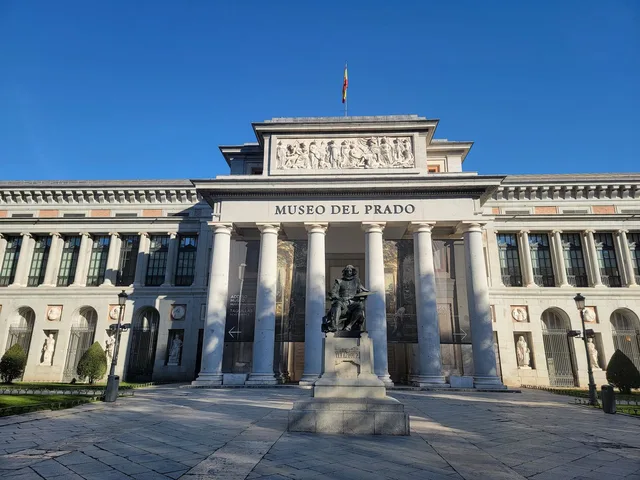
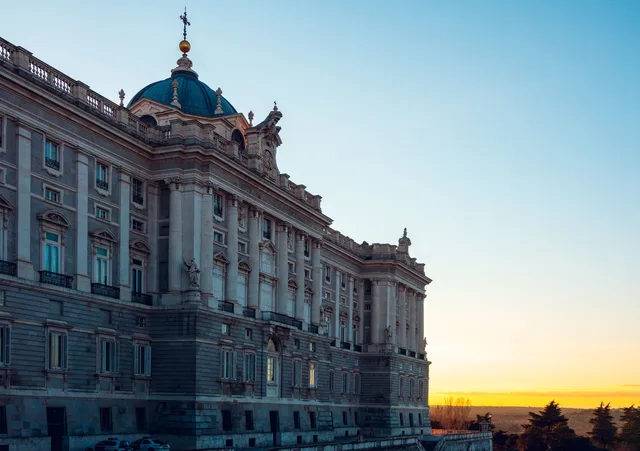
If this is your first trip to Madrid and you have two or three days, staying around Puerta del Sol makes sense. This is the literal centre of Madrid and the centre of Spain: the km 0 plaque set into the pavement here is where all of the country's major road distances are measured from, a tradition established in 1857. The Plaza Mayor and the Royal Palace are a short walk. Gran Vía is just around the corner. The Prado Museum is twenty minutes on foot. You can spend a whole short trip in central Madrid and barely need the metro.
The catch is real. Sol is loud, can feel relentlessly touristy, and the restaurants clustered around Puerta del Sol are, broadly, not where madrileños eat. For a longer stay, it wears thin. If noise is a concern, request a courtyard-facing room rather than a street-facing one. And if you have four days or more in the city, read the next two sections before you book.
Stay in La Latina for Tapas, History, and Real Madrid Charm
La Latina sits just south of the historic centre, and it is one of those rare barrios where medieval lanes, Gothic church façades, and tapas bars have survived centuries of change without ever feeling like a theme park. This is Madrid's oldest neighborhood, and it still feels lived-in. You can eat extraordinarily well here at prices that would embarrass most European capitals, in bars that have been serving the same dishes for generations.
As an area to stay in Madrid, La Latina is particularly strong for budget travelers. There's a solid range of hostels, guesthouses, and apartments across the price spectrum, all within walking distance of the action. The Sunday El Rastro flea market is held right in the heart of the neighborhood, one of the oldest and most chaotic markets in Europe and a genuine piece of Madrid's identity rather than a tourist attraction. The nearest metro is La Latina on Line 5.
Couples, solo travelers, and anyone whose idea of a perfect evening is a long crawl between tapas bars will feel immediately at home here. The streets are photogenic, the food is honest, and the neighborhood's relationship with tourism is blessedly relaxed.
Barrio de las Letras: Stay Here if the Prado Museum Is Your Priority
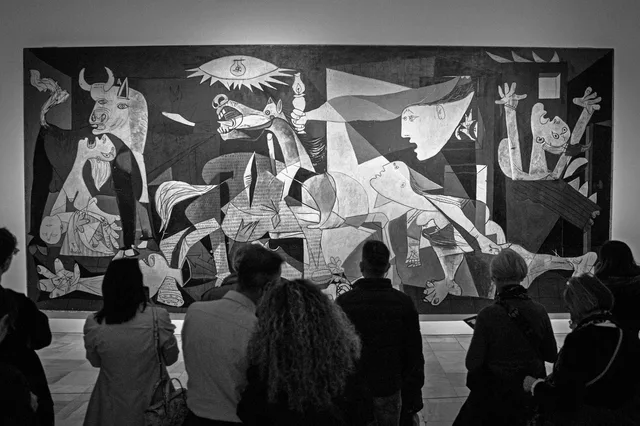
The Literary Quarter sits between Puerta del Sol, the Paseo del Prado, and Atocha train station, and it is consistently the top recommendation from people who know Madrid well. The Prado Museum is under ten minutes on foot. The Reina Sofía, home to Picasso's Guernica, is a similar distance. Retiro Park is fifteen minutes' walk. You can reach the heart of the city on foot from almost anywhere in the barrio.
In the 17th century, during Spain's Golden Age of literature, this neighborhood was home to the country's greatest writers. Cervantes lived at number 2 of what is now Calle Cervantes. Lope de Vega bought his house on the same street in 1610 and stayed until his death in 1635. Quevedo lived just around the corner, across from the Convent of the Trinitarian Nuns. Their literary quotes are now engraved directly into the pavements underfoot, something most tourists walk over without noticing.
Unlike Sol, the Barrio de las Letras has real local life. The Mercado de Antón Martín is a real neighborhood market, not a tourist destination, and the restaurants along Calle de las Huertas fill up in the evenings with a mix of residents and visitors who found their way here through a recommendation rather than a guidebook list. For most tourists planning a trip to Madrid, this is the best area to stay. Families traveling with children may also want to look at the quieter residential streets near Retiro Park, just fifteen minutes' walk east, which offer easier access to the park's open lawns, rowing lake, and Crystal Palace.
Local tip
Walk through Barrio de las Letras after dinner and look down. The pavements are embedded with literary quotes from the writers who once lived here: Cervantes, Quevedo, Lope de Vega. In the daytime rush they're easy to miss. At night, with the streets lit and quieter, stepping over a line of Cervantes on the way back from a restaurant is the kind of detail that turns a good trip into a story worth telling.
Malasaña: Madrid's Coolest and Most Bohemian Barrio
Malasaña is where Madrid's creative energy lives. It was the centre of La Movida Madrileña, the explosive cultural movement that swept Spain in the 1980s after the end of the Franco dictatorship. That era has gentrified somewhat since then, but the neighborhood still has genuine character: vintage clothing shops, specialty coffee roasters, hole-in-the-wall bars, indie bookshops, and the kind of late nights that don't start until midnight.
The barrio also has a quietly extraordinary history. The Plaza del Dos de Mayo at its heart is named for the uprising of 2 May 1808, when the people of Madrid rose against Napoleon's occupying forces. The resistance at the Monteleón artillery barracks, led by captains Luis Daoíz and Pedro Velarde, was the spark that started the Spanish War of Independence. Today the same square is a sunny meeting point for locals drinking afternoon coffee. That layering of history under a casual surface is very Malasaña.
Hotel supply is limited here because the narrow streets and protected status of the neighborhood don't suit large hotel chains. Most accommodation is tourist apartments. If you stay here, ask for a courtyard-facing room, as street-facing rooms on the main nightlife streets can be very loud on weekend nights. Malasaña is northwest of the city centre, further from the main tourist sights than Sol or Barrio de las Letras, but still easily walkable to Gran Vía in about fifteen minutes.
Salamanca: The Best Area to Stay in Madrid for Luxury
Salamanca is a different city within the city. Built in the 19th century northeast of the city centre, it revolves around a grid of wide, tree-lined boulevards that feel genuinely grand rather than merely wide. The four streets that define its commercial character, Calle Serrano, Calle Velázquez, Calle Goya, and Calle Ortega y Gasset, are lined with the sort of shops that tourists from most cities would travel an hour to reach: Dior, Hermès, Jimmy Choo, Paco Rabanne. This is where Madrid's money lives and spends it.
As a place to stay in Madrid, Salamanca suits travelers who want boutique hotels, Michelin-starred restaurants, and a quieter, more residential rhythm than the noisy centro. The downside is distance: walking to Sol and the Plaza Mayor takes more than 30 minutes, and while the metro connections are excellent, you'll be using it more than you would in a more central barrio. The trade-off is a noticeably calmer, more elegant base.
The neighborhood has a strong selection of boutique hotel options. Hotel Único Madrid is a converted 19th-century mansion on Calle Claudio Coello. BLESS Hotel Madrid brings a design-led upscale feel with a rooftop pool. TOTEM Madrid, surrounded by the designer boulevards, is stylish without being showy. All three are the kind of places that make sense if the hotel is part of the experience rather than just a place to sleep.
Chamberí: The Best Neighborhood for a Longer Stay
If you're spending a week or more in Madrid, or if you want to feel like someone who actually lives here rather than someone passing through, Chamberí is worth considering. Just north of the city centre, it's a neighborhood of early 20th-century architecture, tree-lined streets, wrought-iron balconies, and old-school Spanish bars where the same regulars have been occupying the same corner table for years. Paseo de la Castellana runs along its eastern edge.
The food scene is excellent. Calle Ponzano has become one of Madrid's most exciting dining streets, a concentrated stretch of modern gastrobars and wine spots that fills up on weekday evenings with people who actually live nearby. Plaza de Olavide at the neighbourhood's centre is a proper local square, not a tourist draw. The neighborhood is a ten-minute metro ride to Sol, which makes getting around the rest of Madrid easy without sacrificing the local atmosphere.
Local tip
Under the streets of Chamberí is one of Madrid's most unusual free attractions: Andén 0, the ghost metro station. The Chamberí station opened in 1919 and was abandoned in 1966 because its curved platform left a gap between the train and the edge, making it unsafe. It's now a free museum with the original 1919 tiles and vintage advertising intact, and Line 1 trains still rumble past on the active tracks while you walk through. Advance booking is required as it sells out, but entry is free. It's the kind of place a friend who lives in the barrio would take you to, not a place most tourists find on their own.
Are There Areas to Avoid in Madrid?
Madrid is a safe city by any measure. It ranks among the top ten safest major cities in Europe on the 2026 Numbeo Safety Index. The neighborhoods that appear on most "areas to avoid" lists, Orcasur, San Diego, and Entrevías, are in the far south of the city and will never come up on a tourist itinerary. You won't accidentally end up there.
The real risk for tourists is pickpocketing, not physical danger, and it is concentrated in exactly the places where tourists gather: Sol, Gran Vía, the Plaza Mayor, and El Rastro flea market on Sundays. Use a crossbody bag or a bag you can keep in front of you, keep your phone in a front pocket, and be especially careful in crowded metro carriages during rush hour. Beyond that, the city is relaxed and welcoming, and the parts of the city where tourists spend their time are safe at any hour.
Frequently Asked Questions
What is the best area in Madrid to stay for first-time visitors?
Barrio de las Letras gives the best balance of location and atmosphere for first-timers. It's walking distance from the Prado Museum, the Reina Sofía, Retiro Park, and Sol, but in a neighborhood with genuine local character. If you have two to three days and want to be as central as it gets, Sol also works well and puts you closest to the Plaza Mayor and the Royal Palace.
Is Madrid a walkable city?
Yes. The central neighborhoods are highly walkable, and most major sights are within 30 minutes of each other on foot. From Barrio de las Letras you can reach the Prado Museum, Retiro Park, Sol, and the Plaza Mayor without needing the metro at all. For longer distances or neighborhoods like Salamanca, the metro is fast and easy to use.
What are the best neighborhoods in Madrid for nightlife?
Malasaña is Madrid's main nightlife barrio, with bars and clubs that fill up after midnight and go until dawn. Chueca, just east of Malasaña and a short walk from Gran Vía, is equally lively and is the centre of Madrid's LGBTQ+ scene. Both areas have a wide range of bars, from old-school Madrid taverns to modern cocktail spots.
What is the best neighborhood in Madrid for families?
The area around Retiro Park is the best for families. It's quiet, residential, and within walking distance of the park itself, which has rowing boats on the lake, wide open lawns, and the beautiful Crystal Palace. It's also well connected to the museums along the Paseo del Prado, and the neighborhood has a calm, unhurried pace that suits a trip with children.
What is the best area to stay in Madrid on a budget with a local feel?
La Latina is the strongest choice on both counts. It has some of the best-value tapas bars in the city, a genuinely local atmosphere built around its historic streets, and a wide range of affordable accommodation. The Sunday El Rastro flea market is one of the oldest in Europe and starts right in the heart of the neighborhood.