Why January Is One of the Best Times to Visit Madrid
Madrid in January is a city that has exhaled. The Christmas crowds have moved on, queues at the Prado are a fraction of what they will be in summer, and every shop from Gran Vía to Salamanca is running steep discounts. Add the most theatrical parade in Spain and a calendar full of live music, and a January trip to Madrid is considerably more rewarding than most travel guides suggest.
It is chilly. Daytime temperatures sit around 10°C, with nights falling to 1 or 2°C. But Madrid is famous for its crisp, clear winter skies. Rain comes in short bursts across roughly nine days of the month, there are nearly ten hours of daylight, and exploring the city is simply easier when you are not navigating tourist crowds at every turn. If you are considering a visit to Madrid in January, this guide covers everything you need.
January Weather in Madrid
Expect daytime temperatures of 10–12°C with nights falling to around 1–2°C. Madrid sits at roughly 650 metres above sea level, which makes the cold feel sharper than in coastal Spanish cities. Pack a proper winter coat, a warm mid-layer, and waterproof walking shoes. Around nine rainy days are spread across the month, mostly short bursts rather than full days of rain.
The Sierra de Guadarrama mountains, visible from the city centre on clear days, are blanketed in snow throughout January. A day trip to the ski slopes is well within reach from Madrid, and on the right day it is the best possible use of a January morning.
Things to Do in Madrid in January
January in Madrid is busier and more rewarding than most visitors expect. Here is what is worth your time this month.
Three Kings Parade: The Best Night of the Festive Season
The Three Kings Parade (Cabalgata de Reyes) on January 5 is the defining event of the festive season in Madrid. The parade begins at Plaza de San Juan de la Cruz at 6 pm and finishes at Plaza de Cibeles shortly before 9 pm, with over 2,100 performers accompanying the three carriages of Melchior, Caspar, and Balthazar. Sweets are thrown continuously from the floats, so bring a bag. January 6, Three Kings Day, is a public holiday. Children receive gifts left overnight by the Wise Men, and the traditional breakfast is Roscón de Reyes, a ring-shaped sweet bread with a hidden figurine inside.
Prado Museum: Spain's Greatest Art Collection, Finally Uncrowded
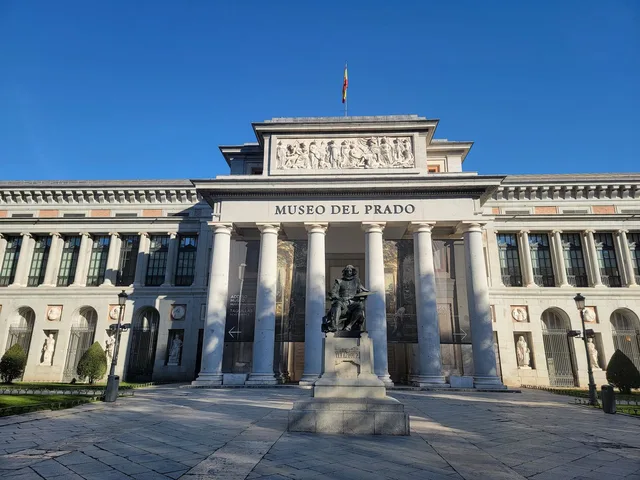
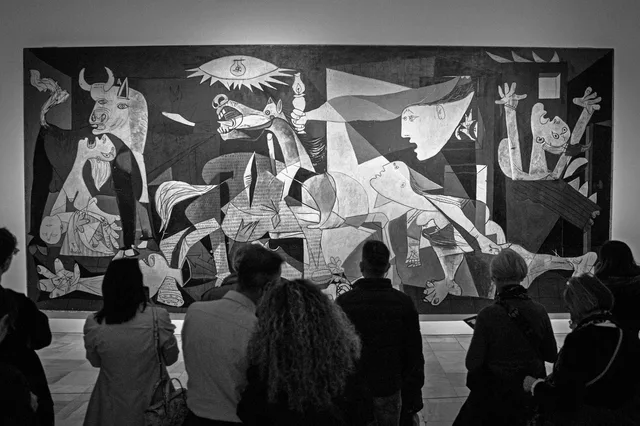
The Prado is one of the great art museums of the world: Velázquez's Las Meninas, Goya's Black Paintings, Bosch's Garden of Earthly Delights, and room after room of masterworks. In January, crowds thin out and the del Prado galleries become a pleasure to move through. Adult tickets cost €18. Free entry is available Monday to Saturday from 6 pm to 8 pm, and on Sundays and public holidays from 5 pm to 7 pm. Free tickets must be reserved online at museodelprado.es at least 72 hours in advance and are limited.
Local tip
The Prado's free evening hours are widely recommended as a budget option. The catch is that in summer, queues stretch around the block regardless. January changes the equation entirely. The cold keeps casual visitors away, and on a weekday evening you can often stand in front of Las Meninas with genuine breathing room. Reserve your free ticket online a few days ahead, arrive just before 6 pm, and the museum feels like it belongs to you.
Royal Palace of Madrid: The Largest Royal Palace in Western Europe
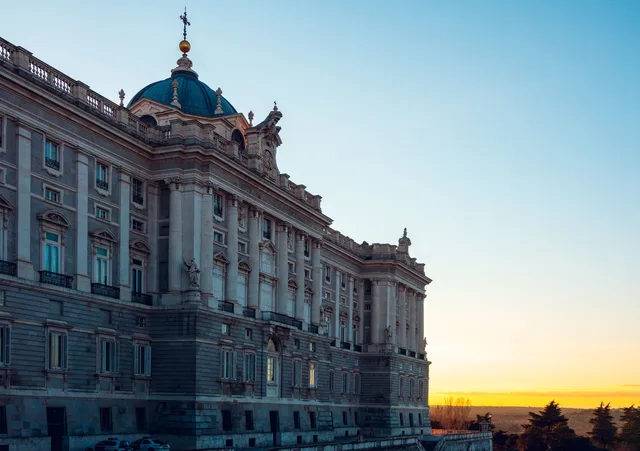
With 3,418 rooms across 135,000 square metres, the Royal Palace of Madrid is the largest royal palace in Western Europe by floor area. Winter opening hours run from 10:15 am to 5 pm daily. Adult tickets cost €22. EU and Ibero-American citizens enter free Monday to Thursday between 4 pm and 6 pm in winter (October to March) on presentation of a passport. The palace sits directly next to the Almudena Cathedral, making both a natural pairing for a single afternoon.
January Sales (Rebajas) Across the Whole City
Madrid's winter sales (Rebajas) kick off on January 7, and they are a genuine institution. If there is ever a time for shopping in Madrid, January is it. Gran Vía, the Salamanca neighbourhood, and the El Corte Inglés stores on Calle Preciados and Serrano are the main destinations. Discounts open at 30–50% and climb higher through the month as shops clear old stock. Sales continue until the end of March, so there is no need to panic, but the best items go in the first ten days.
Churros at Chocolatería San Ginés: A Madrid Ritual Since 1894
Open 24 hours a day, every day, Chocolatería San Ginés has been serving hot chocolate and churros from the same address since 1894. Tucked in Pasadizo de San Ginés, a passageway off Calle Arenal near Puerta del Sol, it started life feeding theatre-goers after shows and now serves everyone from families on a cold Sunday morning to night-owl insomniacs after a long evening out. One mug of thick hot chocolate and a plate of crispy churros is the correct January breakfast in Madrid.
Flamenco Show: Passion and Footwork on a Cold Night
A flamenco show fits January perfectly. The intensity of the cante, guitar, and footwork fills a cold winter evening with something you will not forget quickly. Torres Bermejas has been one of Madrid's most respected tablao venues since 1949. Cardamomo and Casa Patas are excellent alternatives. Book ahead even in low season: the best shows sell out consistently.
Thyssen-Bornemisza Museum: Eight Centuries of Western Art
Where the Prado focuses on Spanish masters, the Thyssen-Bornemisza covers the full arc of Western painting from medieval Italy to 20th-century America. Dürer, Caravaggio, Monet, Hopper, Kandinsky: all under one roof on the Paseo del Prado. Tickets cost €14 (€9 for students and seniors). Free entry is available on Mondays between noon and 4 pm, and on Saturday evenings between 9 pm and 11 pm as part of the Thyssen Nights programme. Open Tuesday to Sunday from 10 am to 7 pm.
Almudena Cathedral: Gothic Grandeur Opposite the Royal Palace
The Catedral de la Almudena stands directly across from the Royal Palace in one of Madrid's most visually dramatic pairings. Entry to the cathedral is free (a €1 donation is appreciated). The museum and dome, which offers panoramic views over the city and the Casa de Campo park beyond, cost €8. Open daily from 10 am to 8:30 pm. Avoid visiting during Sunday mass times.
Inverfest: Over 170 Live Concerts Throughout the Month
Inverfest is Madrid's winter music festival, running January through March with more than 170 concerts at venues across the city: Teatro Circo Price, La Riviera, Movistar Arena, and Conde Duque among them. The programme spans indie, jazz, flamenco fusion, rap, and anniversary shows from veteran Spanish artists. Check inverfest.com for the current lineup and book early for headline acts, which sell out quickly.
CaixaForum Madrid: Major Exhibitions for €6
CaixaForum is one of the best-value cultural venues in Madrid. The building is a former power station converted by Herzog and de Meuron; it appears to float above its entrance, with a vertical garden climbing the adjacent wall. Special exhibitions cost €6; most of the building is free to enter. Open daily from 10 am to 8 pm, ten minutes from the Prado on foot along the Paseo del Prado.
San Antonio Festival: The January Pet Blessing in Chueca
On January 17, the Chueca neighbourhood hosts the festival of San Antonio Abad. The highlight is a blessing of animals at the Iglesia de San Antón, where owners bring dogs, cats, rabbits, and the occasional more exotic creature to receive the saint's protection for the year ahead. It is charming, slightly chaotic, entirely photogenic, and free. One of the more lovable things January in Madrid has to offer.
Day Trip: Skiing in the Sierra de Guadarrama
One of the best-kept secrets about Madrid is that you can ski in the morning and eat dinner in the city the same evening. Valdesquí resort is 80km from the centre with day passes at €30–40. Puerto de Navacerrada is closer at 60km, with passes from €14. By train, take a Cercanías service from Chamartín to Cercedilla (around one hour), then the connecting mountain railway up to the slopes. No car required.
Retiro Park: Peaceful Paths and the Crystal Palace
Retiro Park in January is quieter than at any other point in the year. Walk the paths around the Estanque rowing lake, visit the Crystal Palace (a free 19th-century glass pavilion used by the Reina Sofía museum for exhibitions), and enjoy 350 acres of green space with room to breathe. The park is free and open every day from dawn to dusk.
Cocido Madrileño: The Winter Stew Madrid Lives For
Cocido madrileño is Madrid's great winter dish: a slow-cooked chickpea stew with pork, chorizo, black pudding, and vegetables, served in three separate courses. The tradition is to eat it on a Thursday, when specialist restaurants begin slow-cooking it on Wednesday evening. La Bola, Malacatín, and Taberna La Daniela are three celebrated spots. Book ahead and arrive hungry.
Paseo del Prado: Madrid's Art and Architecture Boulevard
The Paseo del Prado is the cultural backbone of the city: a 19th-century boulevard running past the Prado, Thyssen, Reina Sofía museum, CaixaForum, and the Royal Botanical Garden (Real Jardín Botánico) in a single walkable stretch. The Cibeles Fountain (Fuente de Cibeles) and the Neptune Fountain (Fuente de Neptuno) anchor both ends. In January this stretch is uncrowded and worth exploring slowly, even if you are not going inside every museum along the way.
Gran Vía: Architecture, Shopping, and Rooftop Views
Gran Vía is Madrid's grandest street, lined with early 20th-century Beaux-Arts and Art Deco facades that most visitors walk straight past in a rush to shop. In January the Rebajas are running, the theatres are in full programme, and the rooftop bars, with outdoor heaters and views over the city, are a surprisingly good option on a clear cold evening. Look up as you walk: the architecture is exceptional.
Círculo de Bellas Artes: Art and a 360-Degree Skyline
The Círculo de Bellas Artes on Calle Alcalá is a cultural centre with one of the best rooftop views in the city. The €5 rooftop entry gives you a panoramic outlook over Madrid, with the Sierra de Guadarrama visible on clear winter days. The building also runs art exhibitions and theatre performances throughout January, and the ground-floor bar is one of the more elegant spaces in the city for a coffee or an evening drink.
Puerta del Sol and Old Madrid
Puerta del Sol is the heart of Madrid in every sense: the Kilometre Zero (Kilómetro Cero) plaque embedded in the pavement marks the point from which all distances in Spain are measured. In January you can stand there without being jostled. The surrounding streets of old Madrid are full of traditional cafés, bookshops, and tapas bars. Walk south towards La Latina or northeast through the Barrio de las Letras for some of the city's most characterful neighbourhoods.
Madrid Río: Cycling and Walking the Manzanares
Madrid Río is the riverside park created along the Manzanares when the M-30 motorway was buried underground. It stretches for several kilometres through the city with landscaped paths, cycle lanes, and footbridges. In January, stripped back to bare trees and winter light, it has a quiet urban beauty. Hire a BiciMAD bike and ride a stretch of it, or simply walk along the riverbank and enjoy the city above.
Madrid After Dark: Bars, Vermut, and Late Nights
Madrid genuinely doesn't sleep, and January is no exception. Malasaña is the neighbourhood for indie bars and craft beer. Chueca is livelier and more cosmopolitan. La Latina is best on Sunday afternoons for the slow vermouth ritual locals call the vermut: a glass of vermouth, some olives, and a gradual crawl through traditional tapas bars. January prices are lower than peak season and the crowd is more local than tourist, which makes for a better night out.
Wrapping Up
Madrid in January rewards those who show up. The art museums are noticeably less crowded, the Three Kings Parade is one of the great urban spectacles in Europe, and the city has a liveable, unhurried quality that disappears the moment warmer weather returns. Whether you are here for the Prado with the rooms to yourself, a bowl of cocido madrileño on a Thursday, or a ski run in the Sierra followed by dinner back in the city the same evening, January offers a Madrid that most tourists never get to see.
Visiting at a different time of year? Read our guides to Madrid in December or Madrid in February.
Frequently Asked Questions
Is January a good time to visit Madrid?
Yes. January in Madrid means shorter queues at major attractions, lower hotel prices, and the winter sales (Rebajas) from January 7. The Three Kings Parade on January 5 is one of the most spectacular events of the year, and the city's museums and cultural venues run full programmes throughout the month.
Does it snow in Madrid in January?
Rarely in the city itself. The Sierra de Guadarrama mountains, around 60–80km from Madrid, receive significant snowfall throughout winter and are home to ski resorts reachable by Cercanías train from Chamartín in about one hour.
What is the Three Kings Parade?
The Three Kings Parade (Cabalgata de Reyes) is held on the evening of January 5. The parade runs from Plaza de San Juan de la Cruz to Plaza de Cibeles with over 2,100 performers and themed floats. Sweets are thrown from the floats throughout. January 6, Three Kings Day, is a public holiday when children receive gifts from the Wise Men.
When do the Rebajas start in Madrid?
Physical stores in Madrid start the winter sales (Rebajas) on January 7, the day after Three Kings Day. Some online retailers begin from January 1. Discounts increase through the month as shops clear stock, with sales continuing until the end of March.
How cold is Madrid in January?
Daytime temperatures average 10–12°C. Nights fall to around 1–2°C. Rain comes in short bursts across roughly nine days of the month. Pack a warm coat, layers, and waterproof walking shoes. The cold is dry rather than damp, which makes it more manageable than Atlantic coastal cities.