Why November is one of the smartest times to visit Madrid
Madrid in November belongs to the city's own people. The summer crowds are long gone, hotel prices have dropped, and the restaurants are full of madrileños rather than tourists. The weather is cooler, properly autumn now, with crisp air and earlier sunsets, but the city doesn't slow down. Two major cultural festivals are running, the food season shifts into its cold-weather best, and Madrid also gets an extra November public holiday that the rest of Spain doesn't. There are far fewer tourists than in the spring and summer months, which means you can actually explore the city on foot without fighting for pavement space.
Travelling in cooler weather has real advantages: shorter queues at the Prado, a Royal Palace you can move through at your own pace, and a version of Madrid that feels lived-in rather than performed. From the first week of the month, the smell of roasting chestnuts starts drifting through the streets near the city's plazas. That's the signal that November has arrived.
November weather: cooler weather, short days, and some rain
Expect an average high of around 15°C, dropping from about 17°C at the start of the month to roughly 12°C by the end. Nights are cold (typically around 5°C, sometimes down to 2°C), so a proper coat is essential, not optional. Madrid gets around 12 rainy days in November (compared to October's eight), so an umbrella belongs in your bag every day. Sunset is around 6pm by mid-November, which means evenings start early and the tapas bars fill up accordingly.
What to pack: a heavy jacket or coat (not just the light jacket October required), a scarf, hat and gloves for evenings, an umbrella, and warm waterproof walking shoes. A 15°C afternoon in the sun can turn into a 5°C evening fast, so layers are the answer.
November events and festivals in Madrid
Día de Todos los Santos (November 1) is a national public holiday. Families visit cemeteries (the Cementerio de la Almudena is the main one in Madrid), carrying chrysanthemums and marigolds. Pastry shops fill with huesos de santo: marzipan tubes filled with sweet egg yolk cream, a 17th-century treat believed to have originated in Madrid. Buñuelos de viento (light sugar-dusted fried pastries) appear alongside them. This is also the day when the first castañeras (roasted chestnut sellers) set up their braziers on street corners around the city.
The JazzMadrid International Jazz Festival carries over from its October 8 opening and runs through November 30. There are 70-plus official concerts and more than 200 total events, including film screenings, workshops, and activities for children, spread across the Fernán Gómez Cultural Centre, CentroCentro, and the Condeduque Contemporary Culture Centre. The full programme is at festivaldejazzmadrid.com.
The Festival de Otoño (Autumn Festival), now in its 44th edition, is Spain's leading performing arts festival. Theatre, contemporary dance, and experimental performance fill venues including the Teatros del Canal, Teatro de La Abadía, Réplika Teatro, Sala Cuarta Pared, and the Conde Duque. Programme at www.madrid.org/fo/.
In late November, the Christmas lights go up. The switch-on ceremony happens around November 22 (the 2025 ceremony was on the evening of November 22 at Plaza de Cibeles). Gran Vía, Puerta del Sol, Calle Preciados, and the surrounding calles turn festive overnight. If you're arriving for the last week of November, the city you leave will look different from the one you arrived in.
Local tip
November 9 is Día de la Almudena, Madrid's patron saint day, observed as a public holiday in the city but not across Spain. The backstory: during the Moorish advance in the early 8th century, the image of the Virgin was hidden inside Madrid's city walls to protect it. When Alfonso VI reconquered the city in 1085, a section of wall crumbled during a procession and revealed the statue. Every November 9, the Virgin is carried in procession through Calle Arenal and Calle Mayor to the Almudena Cathedral, while madrileños in chulapos and chulapas dress (the traditional Madrid bright capes and embroidered gowns) line the route. The City Council distributes free Roscón de la Almudena, a custard-filled pastry ring, near Plaza Mayor. Almost no tourist guidebook covers this. If your dates overlap with November 9, it's worth building your morning around it.
What to eat in Madrid in November
November is when Madrid's cold-weather food comes into its own. The dish to order is cocido madrileño (Madrid's chickpea stew), served in three separate courses called los tres vuelcos, meaning the three overturns. First comes the broth with thin noodles. Then the chickpeas with carrots and cabbage. Then the meats: chicken, beef, chorizo, morcilla, and tocino. Its prime season runs October through April. La Bola (Calle de la Bola 5, a short walk from the Royal Palace) has been cooking it in clay pots over an open flame since 1870. Lhardy (Carrera de San Jerónimo), which opened in 1839 as Madrid's first luxury restaurant, serves it in the traditional way from a historic dining room that hasn't changed much since Isabel II ate there.
Wild mushrooms (setas) peak on Madrid menus in October and November. Mesón del Champiñón (Calle Cava de San Miguel 17, just off Plaza Mayor) has been famous for champiñones al ajillo and stuffed mushrooms since 1964. It has live piano most evenings and is reliably packed by 8pm. El Cisne Azul in Chueca takes a more serious approach, with wild varieties you won't find on ordinary tapas menus.
The cold-weather ritual is churros con chocolate. Chocolatería San Ginés (Pasadizo de San Ginés, near Puerta del Sol) is open 24 hours and has been serving the same thick chocolate for over a century. It's the best 3am decision you'll make. And throughout November, the castañeras are stationed on street corners near the city's plazas: paper cones of a dozen roasted chestnuts for about €2. A 19th-century trade that somehow survived everything.
Retiro Park: last fall colors and morning mist
By November the horse chestnuts have mostly shed their leaves, but a morning stroll through the Retiro is still worth it: quieter than October, with a certain stillness to the bare branches over the lake. On misty mornings, the Palacio de Cristal is extraordinary: the iron-and-glass pavilion emerges out of the fog, and inside there's a free temporary exhibition from the Reina Sofía. Rowboats are still available on the lake (Monday to Friday €6 per boat, weekends and holidays €8, up to four people). Go early, before the museums open, and walk back through the park toward the Paseo del Prado.
The Prado, Reina Sofía, and Thyssen
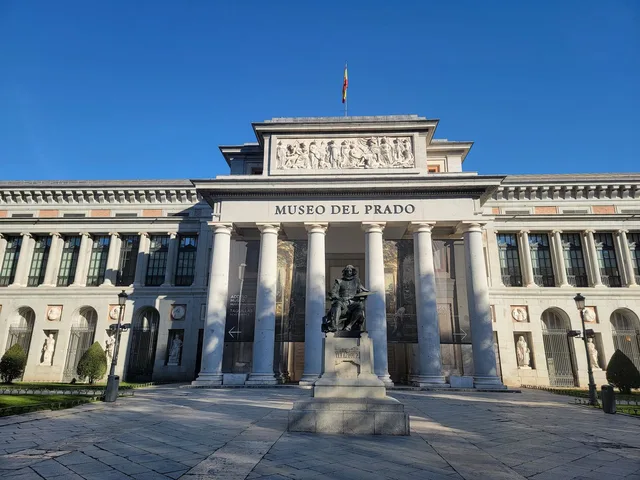
November is prime museum season in Madrid. All three major museums on the Paseo del Prado open new autumn exhibition cycles, and each has a free entry window.
| Museum | Price | Free entry | Don't miss |
|---|---|---|---|
| Prado Museum | €18 | Mon–Sat 6–8pm, Sun 5–7pm | Velázquez, Goya, Bosch |
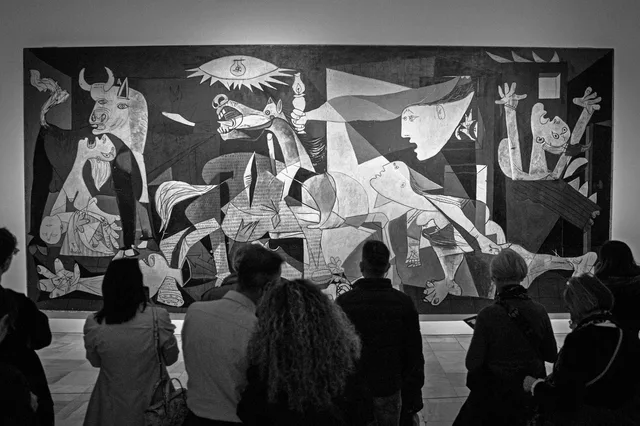
| Reina Sofía | €12 | From 7pm (closed Tuesdays) | Picasso's Guernica |
| Thyssen-Bornemisza | €14 | Mon 12–4pm | 13th–20th century European painting |
The Prado's free evening windows (6–8pm Monday to Saturday) are popular; arrive by 5:45pm. If you want unhurried time with Goya's Black Paintings or Velázquez's Las Meninas, a paid morning visit is worth the €18.
Royal Palace and Almudena Cathedral
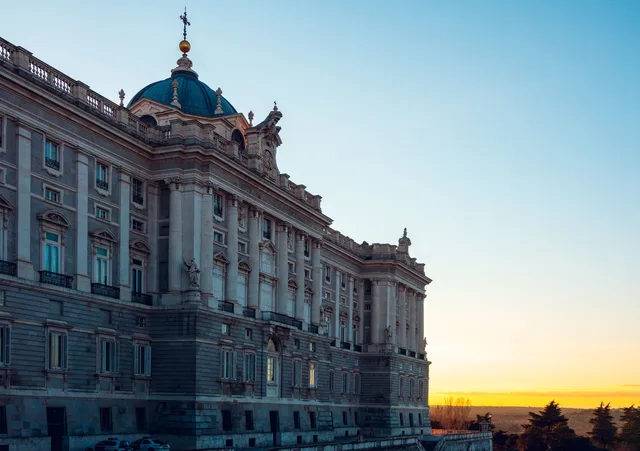
The Royal Palace (€22 adult; EU citizens free Monday to Thursday 4–6pm under the winter schedule) and the Almudena Cathedral sit opposite each other on the western edge of the old city, both reachable via Metro Ópera (lines 2 and 5). The palace is open Monday to Saturday 10:00–18:00, Sunday 10:00–16:00. The cathedral is free to enter (€1 donation suggested); the museum, sacristy, and dome cost €8 and are open Monday to Saturday 10am–2:30pm; the crypts are free, daily 10:00–19:00.
If your visit coincides with November 9, the Almudena procession passes right in front of the cathedral. Visiting both sites that morning and then following the procession route through Calle Arenal turns a standard sightseeing stop into something specific to Madrid that day.
Day trips from Madrid in November
Toledo is one of the best day trips in November. The grey autumn light suits the medieval skyline in a way that summer blue skies don't, and the city has far fewer tourists than in spring or summer. The AVE from Atocha takes about 30 minutes (roughly 15 trains daily; book at renfe.com). Toledo Cathedral (begun in 1226) contains the El Transparente, a Baroque altarpiece behind the high altar that is one of the most extraordinary things in Spanish art. The Alcázar of Toledo is the Army Museum. The Jewish Quarter has Santa María la Blanca synagogue and El Tránsito, now the Sephardic Heritage Museum. El Greco paintings are scattered across the city.
Segovia is even more atmospheric in November. The Avanza bus from Moncloa (80–90 min, €6–8 one way) drops you at the city centre near the Roman Aqueduct and is the better choice for most tourists. The high-speed train from Chamartín takes only 28 minutes but arrives outside the city centre. On a November morning, there's often mist around the base of the aqueduct's 167 arches, and the low winter sun hits the stonework at an angle that's spectacular. After the aqueduct, walk the old streets to the Alcázar and the Cathedral, the last Gothic cathedral built in Spain, begun in 1525.
Evenings: jazz, tapas bars, and flamenco
The tapas bars on Calle Huertas and around Plaza de Santa Ana are some of the best ways to spend a November evening in Madrid. The terraces stay open with heaters and the area stays lively well into the night. Café Central has moved to the Ateneo de Madrid (as of April 2026) and runs two concerts nightly at 8pm and 10pm. With JazzMadrid running through November 30, this is one of the strongest months for live jazz in the city.
El Rastro flea market runs every Sunday from 9am to 3pm on Calle de la Ribera de Curtidores (Metro La Latina, line 5, or Tirso de Molina, line 1). Follow it with tapas on Calle Cava Baja in La Latina. For flamenco, the November pick in this series is Tablao La Manuela (book online in advance).
Visiting at a different time of year? Read our guides to Madrid in October or Madrid in December.
Frequently Asked Questions
Is November a good time to visit Madrid?
Yes, and it's underrated. November has far fewer tourists than spring or summer, shorter queues at major museums, and a strong cultural calendar: the Jazz Madrid festival runs the whole month, the Autumn Festival fills the city's best theatres, and two public holidays give the city a festive feel. The trade-off is cooler weather (average high 15°C) and more rain than October, so pack accordingly.
What is Día de la Almudena?
November 9 is a public holiday specific to Madrid city, not a national holiday, not observed across Spain. It celebrates the Virgin of Almudena, patron saint of Madrid, whose statue was hidden in the city walls during the Moorish occupation and rediscovered in 1085 when a section of wall crumbled. On the day, the statue is carried in procession through Calle Arenal and Calle Mayor to the Almudena Cathedral, with madrileños in traditional chulapos and chulapas dress lining the route. The City Council distributes free Roscón de la Almudena (a custard-filled pastry) near Plaza Mayor. It's a local event that most tourist guides ignore.
Does the JazzMadrid festival run in November?
Yes, the entire month. JazzMadrid runs from October 8 to November 30, with 70-plus official concerts across venues including the Fernán Gómez Cultural Centre, CentroCentro, and the Condeduque. There are also film screenings and workshops alongside the concerts. Programme and tickets at festivaldejazzmadrid.com.
When do Madrid's Christmas lights switch on?
Typically the third week of November. In 2025 the ceremony was on the evening of November 22 at Plaza de Cibeles, and the lights stayed on until January 6. If you're visiting in late November, you'll catch the first days of the festive displays on Gran Vía, Puerta del Sol, and the surrounding streets.
What is cocido madrileño and where should I eat it?
Cocido madrileño is Madrid's traditional winter chickpea stew, served across three courses. It is an unhurried meal: budget around two hours for the full experience. Most places serve it for lunch only, typically from 1:30pm. La Bola (Calle de la Bola 5, near the Royal Palace) books out quickly, especially at weekends, so a reservation is recommended. Lhardy (Carrera de San Jerónimo) is the other classic option, with a more formal dining room.
Is Toledo or Segovia better for a November day trip?
Both work well in November, but in different ways. Toledo's medieval skyline looks better under grey autumn skies than summer blue ones, and there are far fewer tourists. Segovia can have morning mist around the Roman Aqueduct's 167 arches in November, which is spectacular and crowd-free. Toledo is quicker from Madrid (30 minutes by AVE from Atocha) while Segovia takes 80–90 minutes by Avanza bus from Moncloa. If you can do both, go to Toledo on a weekday and Segovia on a weekend morning when the mist is more likely.