Barcelona on a Budget? Here's Where Your Euros Actually Go
Barcelona has a reputation for being one of the more affordable big cities in Western Europe, and ten years ago that was true. These days, a coffee on a terrace near the Sagrada Família can cost as much as a full meal two streets away, and the gap between the tourist price and what locals actually pay has never been wider.
The good news: almost everything that drains a holiday budget in Barcelona has a cheaper, often free, alternative, and most of it takes no more effort than knowing where to look. This guide covers the transport pass that actually saves money, the museum days that cost nothing, the food locals eat instead of the menu pinned outside the tourist trap, and a couple of genuinely free spots that most visitors walk straight past.
For a full breakdown of what a trip here actually costs, see our guide to whether Barcelona is expensive, and for the basics on cards, cash and tipping, check our currency guide for Barcelona.
Getting Around Without Overpaying
Taxis in Barcelona are metered and not outrageous by European standards, but using one for routine trips around the city is the fastest way to turn a modest transport budget into a much bigger one by day three. Public transport covers almost everywhere a tourist wants to go, and the ticket you choose makes a real difference.
The T-Casual is a card loaded with 10 trips on the metro, bus, tram and FGC trains for €13, shared between however many people are travelling together. For a long weekend with a handful of journeys a day, that works out far cheaper than buying single tickets one at a time. If you're moving constantly, an unlimited Hola BCN travel card (from €18.70 for 48 hours, up to €43.60 for 120 hours) covers every ride including the airport transfer, and pays for itself once you're making more than four or five trips a day.
Speaking of the airport: the L9 Sud metro line connects Barcelona-El Prat to the city for €5.90 one way, while the Aerobús costs €7.75 and drops you directly at Plaça Catalunya in 25-35 minutes. If you've got light luggage and don't mind a transfer, the metro is cheaper; if you'd rather skip the stairs after a flight, the couple of extra euros for the Aerobús is worth it. For the full comparison, see our guide to getting from Barcelona Airport to the city centre.
| Pass | Cost | Best for |
|---|---|---|
| T-Casual (10 trips) | €13 | Short stays with a handful of journeys per day |
| Hola BCN (48h, unlimited) | €18.70 | Heavy use over a weekend, includes airport transfer |
| Hola BCN (120h, unlimited) | €43.60 | Week-long stays with daily metro and bus use |
Free Museums on the First Sunday (and Other Days That Cost Nothing)
On the first Sunday of every month, Barcelona's major museums open their doors for free, all day, from opening to closing. That includes the Picasso Museum, MACBA, MNAC, the Maritime Museum, CCCB, MUHBA and the Fundació Antoni Tàpies. Most of these are also free every Sunday from 3pm until closing, so even outside the first Sunday there's a weekly window to see major collections without paying admission.
A couple of extra dates are worth circling too: 18 May, International Museum Day, brings free entry across the board, and during the La Mercè festival in late September several museums, including the Picasso, Fundació Miró and CosmoCaixa, open for free as well.
Local tip
Everyone heads to the Picasso Museum on the first Sunday, which also makes it the day it's most likely to feel like rush hour in rooms built for far fewer people. The Fundació Joan Miró and the Fundació Antoni Tàpies are free on the same day, just as rewarding, and nowhere near as crowded. Save the Picasso for a quieter free Sunday afternoon instead.
Is the Barcelona Card Worth It?
The Barcelona Card bundles unlimited public transport, including the airport, with free entry to more than 25 museums and discounts at over 70 attractions, restaurants and shops, valid for 2, 3 or 5 consecutive days.
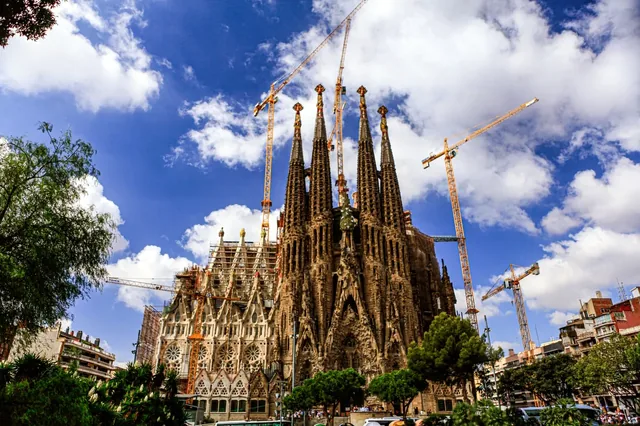
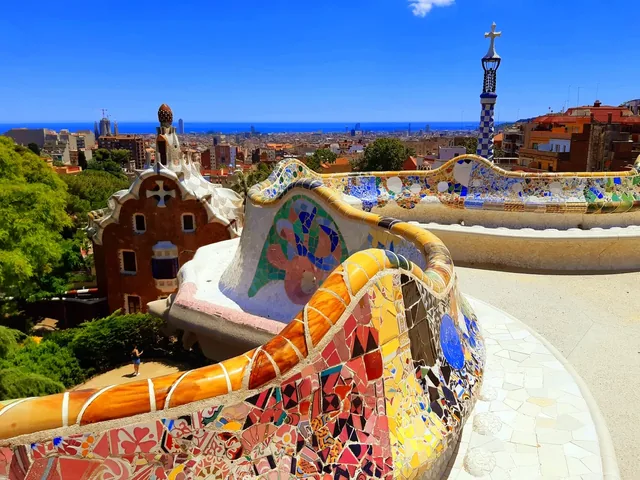
The maths is simple: if your plans include three or four of the museums on the included list, especially ones with steeper admission fees, the card pays for itself before you've used a single transport ride. If your trip is more about wandering the Gothic Quarter, the beach and a couple of big-ticket sights like the Sagrada Família or Park Güell, neither of which is covered by the card, you'll likely spend less buying a T-Casual and paying for entries individually. If Sagrada Família and Park Güell are your priorities, the Barcelona City Pass is the more relevant option.
Free (and Nearly Free) Things to Do
Some of the best things to do in Barcelona don't have a ticket booth at all. The Gothic Quarter rewards aimless wandering, narrow medieval lanes opening onto small squares with no entry fee anywhere. Parc de la Ciutadella, the green space behind the Arc de Triomf, is free to walk through and a good spot for a picnic between sights. Up on Montjuïc, the Magic Fountain puts on a free light and sound show most evenings, and the hillside gardens around it cost nothing to explore.
For the view everyone pays for at the paid lookout points, head to Bunkers del Carmel instead. It's a steep climb up from the Park Güell area, but the 360-degree panorama over the whole city is free, and it's one of the best sunset spots in Barcelona. Down at sea level, Bogatell and Mar Bella beaches are quieter than Barceloneta and equally free.
One easily overlooked saving is mobile data costs. Barcelona runs one of Europe's largest free public Wi-Fi networks, covering most tourist areas, parks, and beaches. Knowing how to use it, and when it's worth paying for an eSIM instead, can save a surprising amount on roaming charges. See our guide to Wi-Fi and internet in Barcelona.
For more along these lines, including museum days and exact opening hours, see our guide to 15 free things to do in Barcelona.
Legend
At the top of La Rambla sits the Font de Canaletes, an unassuming drinking fountain. Legend has it that anyone who drinks from it is guaranteed to return to Barcelona one day. It costs nothing, and it's one souvenir no airline can charge you for.
Local tip
Barcelona Cathedral's cloister is free to enter during its daily free-access hours, and it's home to 13 white geese that have lived there for centuries. Tradition says the number represents the age of Santa Eulàlia, the city's young co-patron saint, when she was martyred. Most visitors walk straight past the cathedral on their way to paid sights nearby and never know the geese are there.
Free walking tours of the Gothic Quarter and El Born are also worth it, run by guides working for tips rather than a flat fee (€10-15 per person is standard). You get a couple of hours of local history and stories for whatever you choose to give, which beats a paid tour covering the same ground.
Eating Well Without the Tourist Markup
The single best money-saving habit for food in Barcelona is eating lunch like a local. A menú del día, two or three courses plus bread and a drink, runs €10-15 at neighbourhood restaurants on weekdays, and it's often the same kitchen and better food than the tourist menu at triple the price two streets over.
For tapas, a short walk away from Las Ramblas and into Gràcia, El Born or Sant Antoni gets you proper bar prices: €4-6 per tapa and €2.50-3.50 for a caña. Bocadillos, filled baguette rolls, cost €3-4 at any bakery or bar and make a solid lunch on the move. For groceries and beach picnics, skip La Boqueria's tourist-facing stalls and try the Mercat de Sant Antoni or any Mercadona or Condis supermarket, both far cheaper for fruit, bread, cheese and drinks.
Where to Sleep Without Paying Tourist Prices
Accommodation in the Gothic Quarter and around Las Ramblas comes with a location premium that doesn't reflect anything you can't get a five-minute walk away. Hostels and budget guesthouses in Gràcia, Poble Sec and parts of El Raval put you on the metro, close to good food, and consistently cheaper than the same standard of room near the main sights. Booking a few weeks ahead, especially in summer, also makes a noticeable difference: prices climb fast as dates fill up.
Frequently Asked Questions
Is it better to use cash or card in Barcelona?
Cards are accepted almost everywhere, including most market stalls and small bars, so you don't need to carry large amounts of cash. It's worth keeping €20-30 in coins and small notes for free walking tour tips, the odd cash-only bakery, and public toilets.
How much spending money do I need per day in Barcelona?
Travelling on a budget, €50-70 per person per day covers a menú del día lunch, tapas dinner, transport pass and a couple of paid attractions spread across a trip. Sticking mostly to the free activities and tips above can bring that down further.
Is 1000 euros enough for a month in Barcelona?
For accommodation alone, it's tight: hostel beds or a shared room typically use up most of that. Combined with the free museum days, cheap lunch menus and free attractions in this guide, it's workable for a backpacker-style month, but leaves little room for paid sights like the Sagrada Família or Park Güell without careful planning.
Why do pickpockets target tourists in Barcelona, and how can I avoid losing money to them?
Barcelona's combination of crowded tourist hotspots, like Las Ramblas, the metro and the beach, with visitors carrying phones, cash and cards makes it an easy environment for pickpockets. The most expensive mistake on any budget trip is replacing a stolen wallet or phone, so keep valuables in a front pocket or zipped bag, stay alert in crowds around Las Ramblas and the metro, and avoid leaving belongings unattended on the beach. For a full breakdown of how it works and how to protect yourself, see our guide to pickpockets in Barcelona.