Barcelona in February: a quiet, mild start to the year
February is one of the calmer months to visit Barcelona. The city is noticeably less crowded than in summer, the weather is mild rather than cold, and there's a run of local festivals, from Carnival in Sitges to the Santa Eulàlia festival, that give the month its own character.
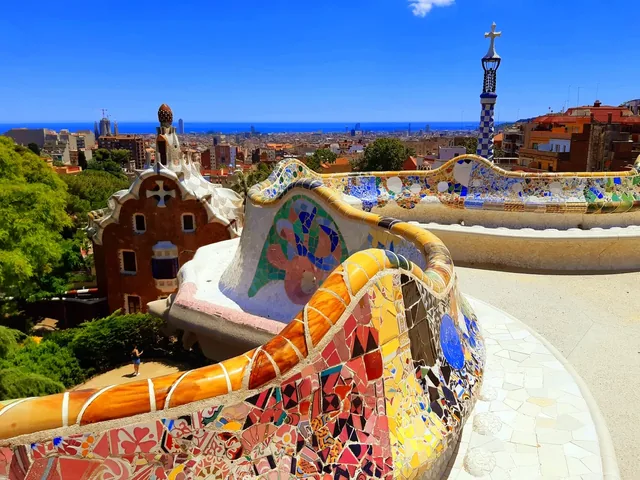
Park Güell and the Sagrada Família are both far easier to visit without the summer queues, and the city's restaurants and bars are running at a normal pace rather than peak-season capacity.
February weather in Barcelona
February sits at the tail end of winter, with a mix of sunny days and overcast spells. Daytime temperatures average around 10°C, with highs reaching 14°C on the better days, while nights drop to around 6°C.
Rain is occasional rather than constant, and skies can stay cloudy for stretches of the month. Pack layers: long-sleeved shirts, a sweater, and a medium-weight coat or jacket, plus a scarf for the cooler mornings and evenings, and comfortable walking shoes.
14 things to do in Barcelona in February
February pairs milder winter weather with thinner crowds at the major sights, plus a calendar that includes Sitges Carnival, the Santa Eulàlia festival, and the LlumBCN light festival. Here are 14 ways to spend the month.
Casa Vicens
Casa Vicens was Gaudí's first major commission in Barcelona, designed shortly after he finished architecture school in 1878 for stockbroker Manuel Vicens i Montaner as a summer house in Gràcia.
The building mixes Neo-Mudéjar tilework with other styles, an early sign of the direction Gaudí's later work would take. It's now a UNESCO World Heritage Site.
Cooking class
A cooking class is a good way to get into Catalan food in February. Most start with a trip to a local market to pick ingredients, then move on to cooking dishes like paella, with a meal at the end.
Winter sales (Rebajas)
The winter sales start right after Three Kings Day on January 7 and run into February, with the deepest discounts arriving toward the end. Plaça Catalunya, Passeig de Gràcia, and Diagonal are the main areas for international and Spanish brands.
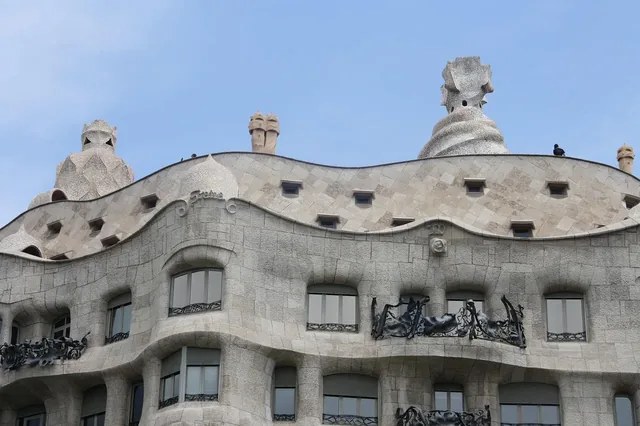
Casa Milà (La Pedrera)
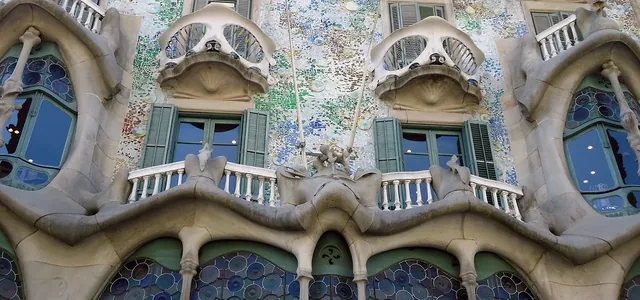
Casa Milà, nicknamed "La Pedrera" (the quarry), is a UNESCO World Heritage Site and one of the clearest examples of Gaudí's Modernisme work. The name comes from its rough stone facade, inspired by the cliffs along Barcelona's coastline and the curves of ocean waves, with barely a straight line on the exterior.
Montserrat day trip
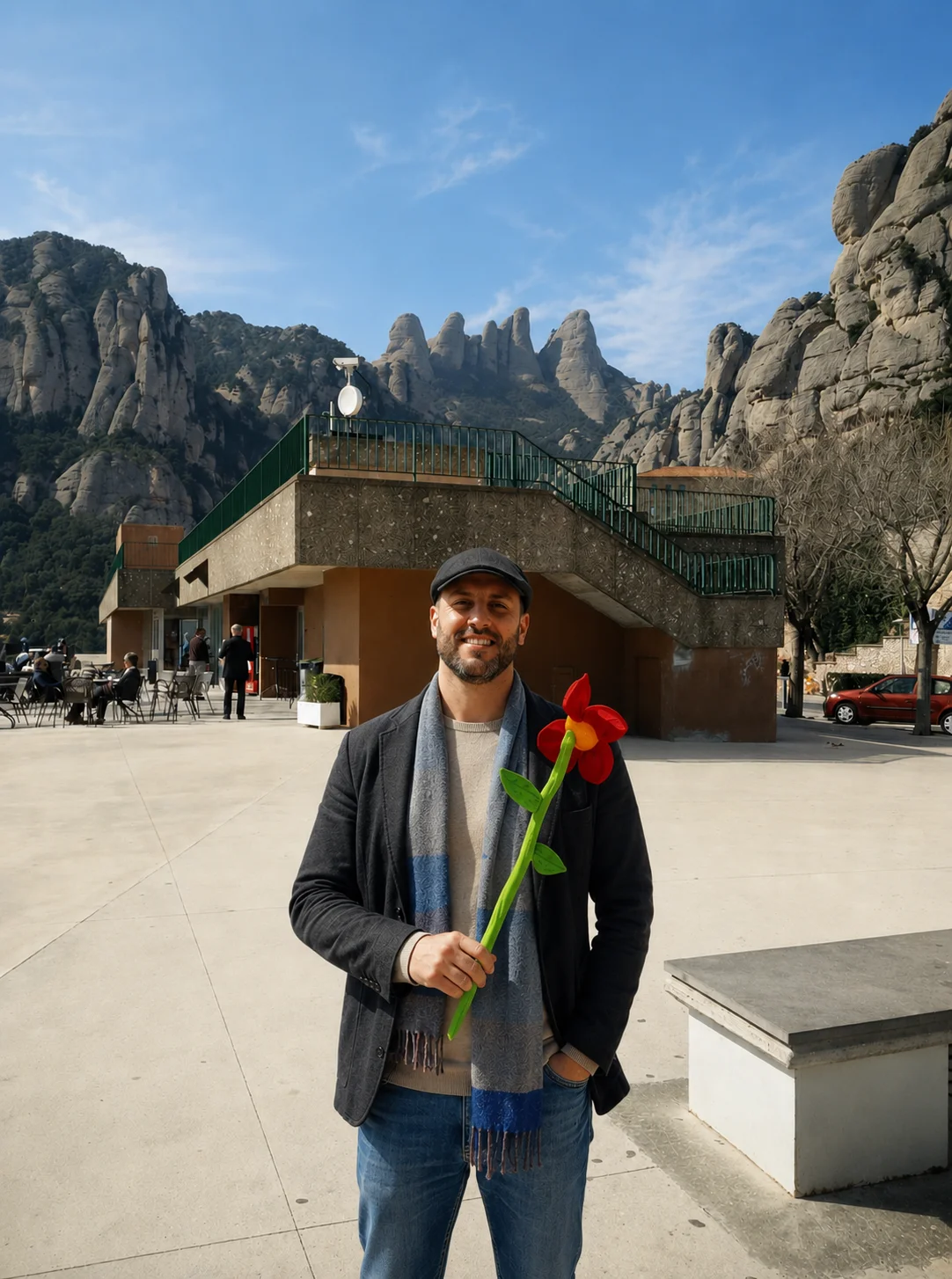
Montserrat is a mountain range about an hour from Barcelona, with jagged peaks rising 1,236 metres above sea level. The name means "serrated mountain" in Catalan. The Benedictine monastery here is home to the Black Virgin of Montserrat, the patron saint of Catalonia, and draws visitors year-round for the views as much as the religious significance.
Festa de Santa Eulàlia
The Festa de Santa Eulàlia, Barcelona's winter festival, takes place over a few days around mid-February in honour of one of the city's patron saints. Expect human towers (castellers), sardana dancing, the procession of giant figures, and a correfoc fire run through the Gothic Quarter.
Poble Espanyol
Built for the 1929 International Exposition, Poble Espanyol is an open-air museum on Montjuïc with 117 buildings recreating architectural styles from across Spain's regions, from Andalusian courtyards to Galician houses.
Sagrada Família
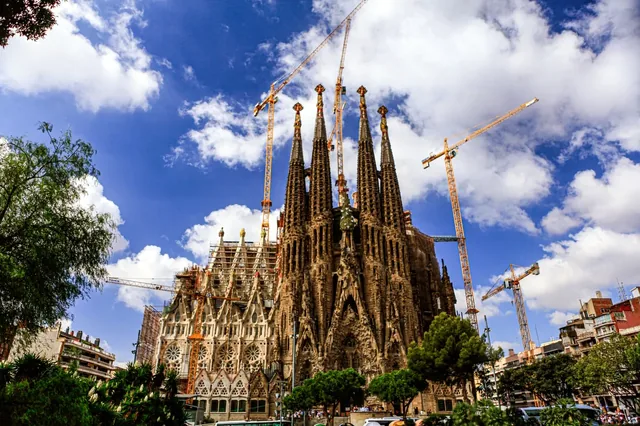
The Sagrada Família blends Gothic and Art Nouveau influences with Gaudí's own style. Several of the towers have lift access, and the views over the city from the top are worth the visit on their own. February's thinner crowds make it a good month to go.
Camp Nou Museum
The FC Barcelona Museum at Camp Nou covers the club's 120-plus-year history through trophies, shirts, and memorabilia. February's lighter crowds make it easier to take your time here than in peak season.
Montjuïc
Montjuïc is a hill rising 177 metres above the city, with a name meaning "Jewish Mountain" in Catalan, tied to its history as home to the city's medieval Jewish community. It has several viewpoints over Barcelona and the sea, along with museums, gardens, and the castle at the top.
LlumBCN
Each February, LlumBCN turns the streets of Poblenou into a circuit of light installations after dark, with projections and audio-visual displays by local and international artists on buildings, streets, and squares.
Calçotada
A calçotada is a Catalan outdoor feast built around calçots, a type of large spring onion. They're grilled over open flames until charred outside and soft inside, then peeled and dipped in romesco sauce. Late February is calçot season, and several restaurants around Barcelona run calçotada menus.
Mobile World Congress
MWC Barcelona 2027 runs March 1-4, just after February ends, at Fira Barcelona Gran Via. It's one of the world's largest tech and connectivity events, drawing over 100,000 attendees. If you're visiting in the last week of February, expect hotel prices in the city to start climbing as MWC approaches.
Sitges Carnival
Sitges Carnival 2027 runs February 2-10 in the seaside town of Sitges, about 40 minutes from Barcelona by train. It's one of Spain's biggest Carnival celebrations, with costume parades, parties, and crowds of around 250,000 over the week before Lent.
Visiting Barcelona in February
February brings mild winter weather, fewer crowds at the main sights, and a month full of events: Sitges Carnival, the Festa de Santa Eulàlia, and LlumBCN's light installations in Poblenou.
If you'd rather skip the summer crowds and don't mind cooler temperatures, February is a solid time to see Barcelona's main attractions at a more relaxed pace.
Visiting at a different time of year? Read our guides to Barcelona in January or Barcelona in March.