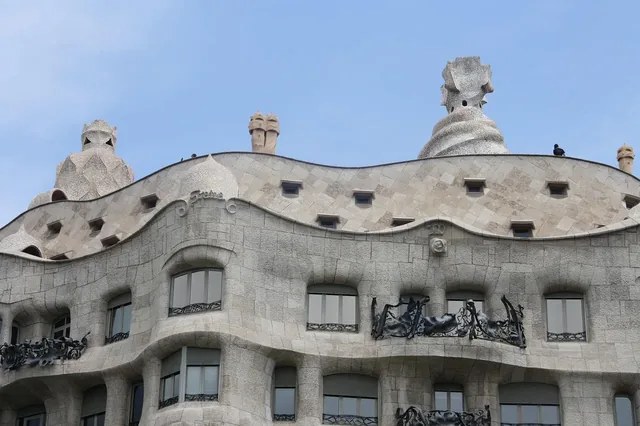
Barcelona is worth visiting, and here is why
Barcelona is one of the best cities in Europe, full stop. It packs Antoni Gaudí's extraordinary architecture, a medieval city centre you can explore for days, some of Spain's finest tapas bars and cafés, and a proper beach, all within walking distance of each other. Planning a trip to Spain? Barcelona is 100% worth adding to your itinerary, whether you have three days or a week.
The one honest piece of advice: tourism peaks hard in July and August, and visiting then without a plan means spending a lot of time in queues. Visit in the shoulder season and the crowds thin, prices drop, and the city feels like itself again. This guide covers the best reasons to visit Barcelona, what to do inside the city and beyond, and how to time your trip to get the best version of it.
Why 2026 is the best year to visit Barcelona
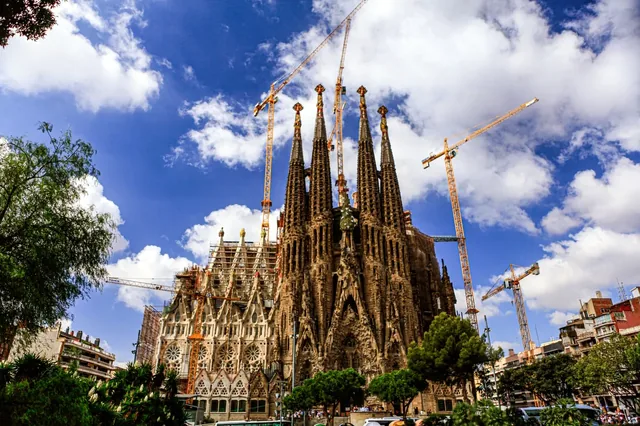
On February 20, 2026, workers installed the final piece of the Tower of Jesus Christ at the Sagrada Família, bringing La Sagrada Familia to its full architectural height of 172.5 metres. The building that began construction on March 19, 1882, is now the tallest church in the world, surpassing Ulm Cathedral in Germany. The finishing works on the Glory Façade will continue into the 2030s, but for the first time in 144 years, the Barcelona skyline looks exactly as Antoni Gaudí intended.
That milestone alone makes this year special. But 2026 is also the centenary of Gaudí's death. He was struck by a tram on Gran Via on June 7, 1926, and died three days later at the Hospital de la Santa Creu. He is buried in the Chapel of Our Lady of Carmen in the basilica's crypt. Every visitor to Barcelona in 2026 is seeing the Sagrada Família complete for the first time in history. No one who made a trip to Barcelona before this year could say the same.
Local tip
Because 2026 is Gaudí's centenary year, Sagrada Família tickets are selling out weeks ahead during peak months. Book the moment your travel dates are confirmed. A centenary surcharge applies from June 2026, and timed-entry slots disappear fast. Children under 11 enter free; visitors under 30 and students qualify for a reduced rate.
Book online for instant mobile ticket delivery and free cancellation up to 48 hours before your visit.
Things to do in Barcelona: reasons to visit
Barcelona is one of the most walkable cities in Europe, which makes it possible to cover a lot of ground in just a few days. The city centre is compact enough that Gaudí's great buildings, the Gothic Quarter's medieval streets, the seafront, and the best tapas bars in El Born are all within reach without a metro ride.
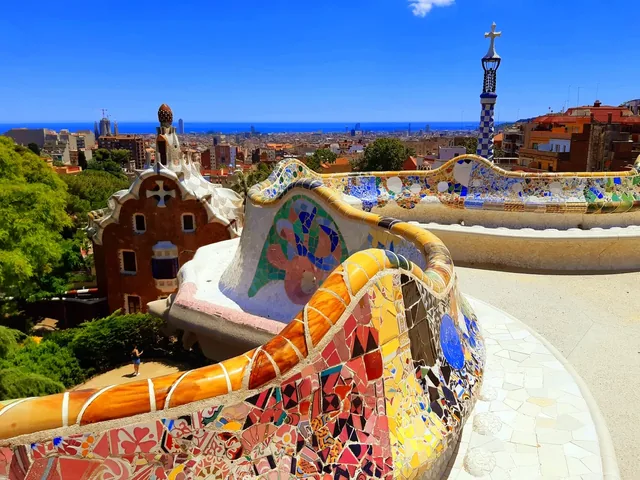
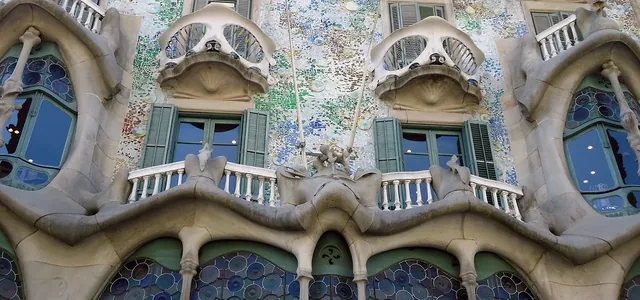
Start with the Sagrada Família and give it more time than you think you need. The interior, where stained glass floods the nave with colour depending on the time of day, is one of the most extraordinary architectural spaces in Europe. From there, Passeig de Gràcia has Casa Batlló and La Pedrera within a few blocks of each other. Park Güell, Gaudí's hilltop garden park with its tiled terraces and views across the city, requires advance booking. It is worth every minute.
The Gothic Quarter (Barri Gòtic) is Barcelona's oldest neighbourhood: narrow medieval streets, Roman ruins visible through glass floors, the Barcelona Cathedral, and dozens of small squares to stop and sit in. El Born is right next door, the area most worth exploring for eating and drinking. Santa Maria del Mar anchors its centre, surrounded by boutique shops, wine bars, and some of the best restaurants in Barcelona. Parc de la Ciutadella, the city's main park, is at the edge of El Born: the right place to sit in the shade, rent a rowing boat on the ornamental lake, and let the morning's sightseeing settle.
Las Ramblas, the tree-lined boulevard that runs through the city centre to the seafront, is worth walking at least once. La Boqueria market opens off it and is one of the most famous food markets in Spain. Barceloneta Beach is a 20-minute walk from Plaça de Catalunya, built from imported sand for the 1992 Olympics. It gets busy in summer, but there is nothing quite like ending a day of sightseeing with the Mediterranean in front of you.
Local tip
Skip the front stalls at La Boqueria and walk to the back of the market, where prices are lower and the stall holders are selling to locals. For a less touristy version of the same experience, the Mercat de Santa Caterina in El Born or the Mercat de l'Abaceria in Gràcia are excellent alternatives.
For the best free panoramic view in the city, take the metro to Alfons X (L4) and walk up to the Bunkers del Carmel on Turó de la Rovira. The 360-degree view across the city to the Mediterranean costs nothing and beats every paid viewpoint. Open 9am to 7:30pm in summer.
Day trips from Barcelona worth taking
Barcelona is one of the most useful bases on any Spain itinerary. The Costa Brava, a coastline of dramatic cliffs and clear water to the northeast, is reachable in under two hours by train. Girona, a medieval city with a walled old town and one of the most striking cathedrals in Spain, is just 40 minutes away by high-speed train. Montserrat, the striking mountain monastery northwest of the city, takes about an hour by train and rack railway and is an entirely different landscape from coastal Barcelona.
These day trips are part of why a visit to Barcelona is hard to do well in fewer than four or five days. The city itself fills three days easily; add one excursion and five days starts to feel like the right amount.
Barcelona is worth visiting: when to go for the best experience
Barcelona is worth visiting year-round, but the shoulder season gives you the best version of it. May, June, September, and October bring warm weather, manageable crowds, shorter queues at attractions, and lower prices than peak summer. The sea is warm enough to swim from June through October. These are also the months when the local side of Barcelona is easiest to find: neighbourhood cafés full of residents, quieter plazas in Gràcia and Sant Antoni, and restaurants in El Born where you can actually get a table without booking a week ahead.
July and August are the most crowded months: temperatures reach the mid-30s, accommodation prices peak, and queues at the Sagrada Família and Park Güell are at their longest. If those dates are fixed, go anyway and book every attraction well in advance. Start your days early, before 9am if possible, to get ahead of the crowds at the main sights. Pickpocketing is worth knowing about year-round: keep your bag zipped and in front of you on Las Ramblas and on the metro, and it stops being a concern.
| Season | Crowds | Weather | Notes |
|---|---|---|---|
| March – April | Low to moderate | Mild (16–20°C) | Good for sightseeing; sea still cool |
| May – June | Moderate | Warm (22–27°C) | Best overall balance; sea warming up |
| July – August | Very high | Hot (28–34°C) | Book everything months ahead; start early |
| September – October | Moderate, falling | Warm (22–27°C) | Sea swimmable; city calmer than summer |
| November – February | Low | Cool (10–15°C) | Cheapest and quietest; no beach season |
Best area to stay in Barcelona
Choosing the right area to stay in Barcelona makes a real difference to how the trip feels. For a first visit, Eixample is the most practical base: central, walkable, well-connected by metro, and within easy reach of both the Sagrada Família and the Gaudí buildings on Passeig de Gràcia. The wide boulevards have a good mix of independent restaurants aimed at residents as much as tourists.
El Born is the pick for travellers who want a neighbourhood with real character: walking distance from the Gothic Quarter and Barceloneta Beach, close to the Picasso Museum and Santa Maria del Mar, and lined with boutique shops and tapas bars. Gràcia offers a quieter, more residential feel and is popular with visitors who have been to Barcelona before and want to stay in a neighbourhood rather than the city centre. Barceloneta works well if beach access is the main priority. Poblenou and Poble-sec offer the most local atmosphere at a more accessible price.
Wherever you stay, book a Park Güell entry ticket with audio guide before you arrive: from €17.00. Timed-entry slots to the monumental zone sell out during peak months. Turn up without one and you will be turned away at the gate.
Frequently asked questions
Why is Barcelona worth visiting?
Barcelona is hard to beat in Europe for variety: Gaudí architecture that exists nowhere else, a walkable medieval centre with Gothic streets and Roman ruins, a food scene built around Catalan cuisine and tapas, and a beach you can reach on foot from the city centre. Add the region around the city, including the Costa Brava and Girona, and there is genuinely more to do than most visitors can cover in a single trip.
How many days in Barcelona is enough?
Three days covers the main highlights if you plan ahead and book attractions in advance: Sagrada Família, Park Güell, the Gothic Quarter, a Gaudí building on Passeig de Gràcia, and time at Barceloneta Beach. Four to five days gives you the space to explore local neighbourhoods, add a day trip to the Costa Brava or Girona, and feel the city rather than just move through it.
Is 3 days in Barcelona enough?
Three days is enough to see the main attractions if you book timed-entry tickets before you arrive. For a more relaxed pace, with time to wander the neighbourhoods and fit in a day trip, aim for four or five days.
Is Barcelona welcoming for tourists?
Yes. The anti-tourism protests you may have read about are driven by frustration with short-term rental platforms pushing up housing costs for residents, not by hostility toward individual visitors. Most tourists report warm, positive interactions throughout their stay. Take normal city precautions: keep your bag zipped on Las Ramblas and the metro, where pickpocketing is the main thing to watch for. Beyond that, Barcelona is generally safe and the locals are welcoming.
Is it better to visit Madrid or Barcelona?
Both are worth visiting on any Spain itinerary. Barcelona has Gaudí's architecture, the Mediterranean coast, and a distinct Catalan identity that makes it feel unlike anywhere else in Spain. Madrid has the Prado, world-class tapas, excellent parks, and a slightly more local atmosphere for first-time visitors. If architecture and beach access are the priority, Barcelona wins. If you want to explore Spain's capital with less tourist intensity, Madrid is the right call. If your itinerary has room for both, do both.
When is the best time to visit Barcelona?
May to June and September to October are the best months: warm weather, a swimmable sea from June, shorter queues at the major attractions, and a more local atmosphere in the city. July and August are the most crowded months with the highest prices. If your dates are fixed to summer, book all attractions well in advance and plan to start your days early.