Sagrada Familia: A Tourist's Guide to Exploring Gaudí's Masterpiece
Basílica i Temple Expiatori de la Sagrada Família, also known simply as Sagrada Família, is a must-see UNESCO World Heritage Site destination for any tourist visiting Barcelona. This basilica is an iconic structure designed by the renowned architect Antoni Gaudí. It is a masterpiece of art and architecture that has captured the imagination of people worldwide.
Pope Benedict XVI consecrated Sagrada Familia as a Basilica during his visit in 2010. The consecration of a church means that it has been officially recognized by the Catholic Church as a sacred place and authorized to hold religious ceremonies.
So, start planning your visit to Sagrada Família and make the most of your time exploring one of the most unique and beautiful structures in the world.
See Gaudí's Vision for la Sagrada Família
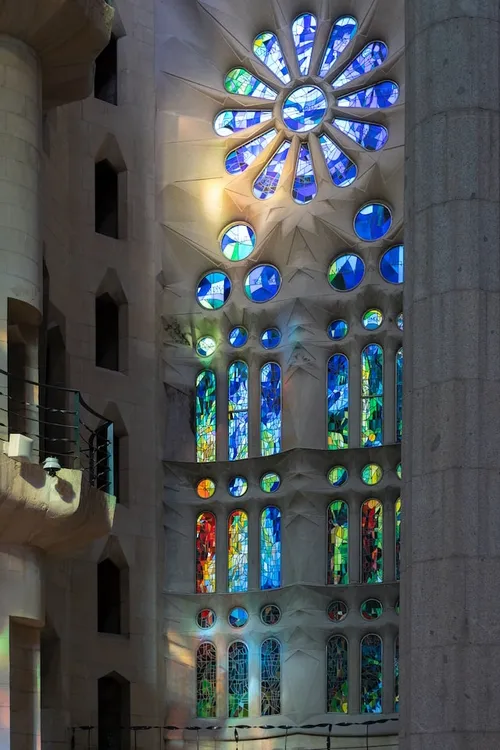
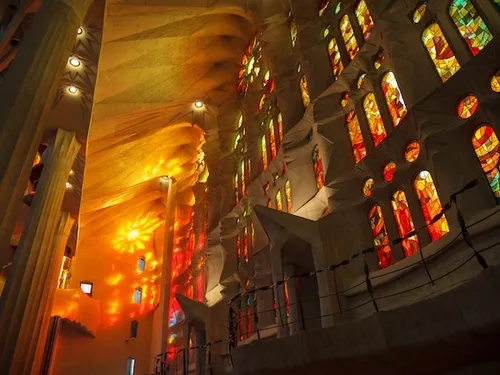
Gaudi's unique style is showcased in the elaborate details of the Nativity Façade, which was the first to be completed. In addition, the use of vibrant colors and shapes in the stained glass windows creates a dynamic and harmonious atmosphere inside the church.
- At 172.5 m (566 ft), the Tower of Jesus Christ is now the tallest church in the world.
- Gaudí set that height deliberately. Montjuïc hill stands at 173.5 m, and he refused to build higher: he believed the work of man should never rise above the work of God.
- In February 2026, a 17-metre white ceramic four-armed cross was lifted onto the central tower, finishing a crown Gaudí had designed over a century earlier.
- Pope Leo XIV came to Barcelona in July 2026 to open the tower, 140 years after the first stone was laid.
Though Gaudi devoted much of his life to La Sagrada Familia, his work on the church was unfortunately interrupted by his untimely death. The Nativity Façade was the only one completed during his lifetime and it's a highlight that you should not miss.
Gaudi's vision for La Sagrada Familia was to create an expiatory temple dedicated to the Holy Family. He wanted to create a space that would inspire visitors to reflect on the teachings of Jesus and the values of the Catholic Church. Gaudi's use of symbolism and nature-inspired elements throughout the church is evidence of his true style, making it a unique and meaningful experience when you visit.
The Three Façades
One of Gaudi's top intentions is to express in stone the teachings of the Catholic Church, the Gospels, and the church's doctrine. That's why the temple has three facades, each representing different aspects of the Christian faith.
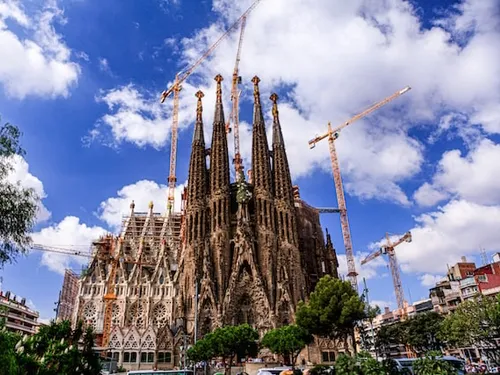
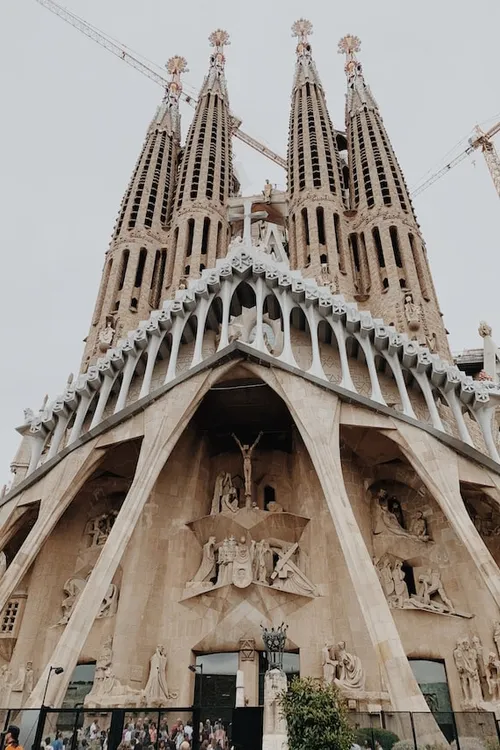
The three Sagrada Familia Façades are each dedicated to a different period in the life of Jesus:
- Nativity Façade – this depicts scenes from the birth of Jesus
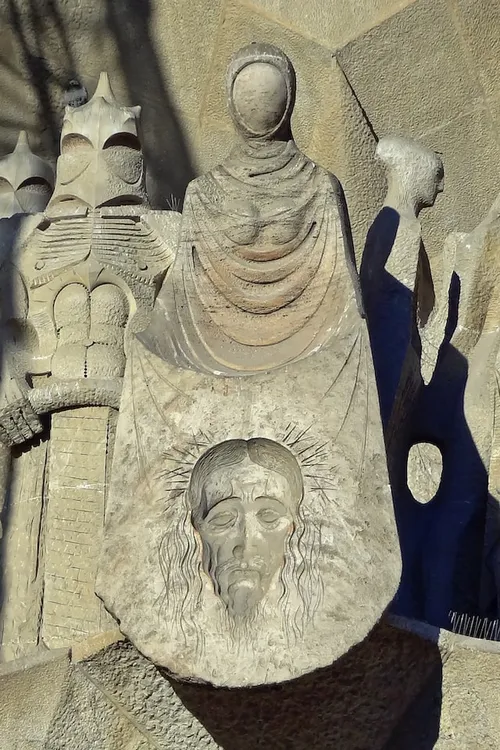
- Passion Façade – this depicts scenes from the passion and death of Jesus. Not sure which is better? Read our Nativity vs Passion Tower comparison
- Glory Façade – this depicts scenes from the resurrection and ascension of Jesus
Truly, each facade has its own unique charm and you can spend hours exploring and admiring the details of the church. The Sagrada Familia is not only a religious monument but also a true work of art! So, if you love art, this place is perfect for you.
What to Expect When Touring the Basilica
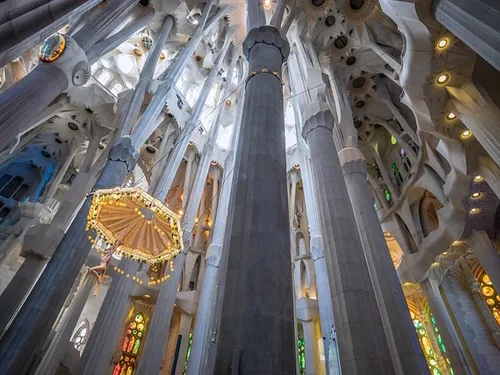
When you visit La Sagrada Familia, you will be able to explore the Nativity Façade, the Passion Façade, and the Glory Façade, as well as the five naves and the apse. Inside, you will find an impressive structure with a central nave, two side aisles, and the chancel. If you're adding tower access to your ticket, the Nativity and Passion façades each have their own climbable tower with a different view, see our guide to choosing between them before you book.
The central nave is the highest and most illuminated part of the temple. The apse, located at the end of the central nave, is a semicircular area where the altar is located, and the Glory Façade is the main facade still under construction. It's expected to be finished in the early 2030s.
Additionally, secrets and lesser-known features of Sagrada Familia are worth discovering. For example, Gaudi's tomb, where he was laid to rest after his death, is located within the chapel of the Virgen del Carmen to the left of the altar in the crypt of the Sagrada Familia.
Sagrada Familia is also the site of the tomb of Josep María Bocabella, the man who initiated the idea of building the Sagrada Familia. To find these hidden gems, take your time and look closely at the details of the church, or ask a guide to point them out. It's enjoyable when you relish Gaudi's work of art while finding these gems at the same time.
Tips When Visiting
Visiting La Sagrada Familia is a unique and unforgettable experience. To make the most of your visit to this iconic structure, here are some tips to help you get the most out of it:
- Plan ahead: It is important to note that there is no on-site ticket booth and online purchase is the only way to secure your spot, and tickets sell quickly, so purchase in advance. For a detailed breakdown of ticket types, towers, and what to skip, see our Sagrada Família ticket guide.
- Go early or late: Try to visit in the morning or later in the afternoon to avoid crowds.
- Audio guide: Consider taking an audio guide to enhance your understanding of the history and meaning behind the church's design.
- Take your time: Don't rush your visit. Take your time to fully experience the church's unique beauty and discover hidden gems.
- Dress appropriately: Sagrada Familia is a religious site, so dress modestly and remove hats when entering the church.
- Take photos: Photography is allowed inside the church, but be respectful of other visitors and refrain from using flash.
- Accessibility: Sagrada Familia is wheelchair-accessible, and elevators are available to access the different levels of the church.
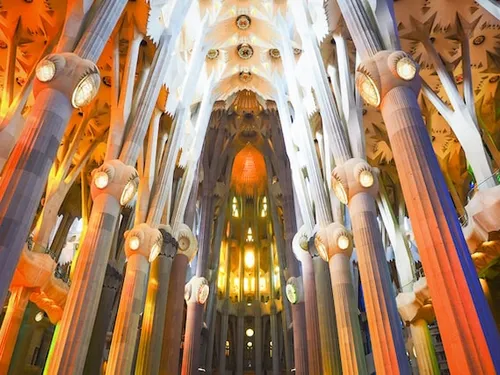
Experience the Unforgettable Beauty of Gaudí's Masterpiece
La Sagrada Familia is a unique and unforgettable experience for tourists visiting Barcelona. Its blend of architecture and art offers a chance to experience Gaudi's imaginative and innovative use of forms, colors, and materials.
Be sure to discover hidden gems and follow the tips above to experience the basilica's unique beauty fully.
Not booking a ticket this trip? The exterior is free to admire from the surrounding streets and plazas, and it's one of the highlights of our guide to free things to do in Barcelona.
What is the best way to reach the Sagrada Família in Barcelona?
The quickest route to reach the Sagrada Familia is via the metro. Both metro line 2 (L2) and Line 5 (L5) have a stop at Sagrada Família metro station.
Address: Carrer de Mallorca, 401, 08013 Barcelona.
Frequently Asked Questions
What does "Sagrada Familia" mean in English?
Sagrada Familia translates as "Holy Family" or "Sacred Family", the Catholic term for Jesus, Mary, and Joseph. The full official name is Basílica i Temple Expiatori de la Sagrada Família, which means "Basilica and Expiatory Temple of the Holy Family". An expiatory temple is one funded entirely by donations rather than by the church or the state.
How is Sagrada Familia funded?
Entirely by private donations and ticket sales. Sagrada Familia has never received money from the Spanish government, the Catholic Church, or the Vatican. Tourist ticket revenue is what pays for the ongoing construction, which is why entry is not free and why the basilica has been able to accelerate work in recent decades as visitor numbers have grown.
Why has Sagrada Familia taken so long to build?
Three main reasons. First, the design is fantastically complex, and much of it was worked out by Gaudí using physical models rather than drawings, some of which were destroyed by anarchists in 1936 during the Spanish Civil War. Second, funding comes only from donations and tickets, so budget dictates pace. Third, the geometry Gaudí used could not be fully understood until modern 3D modelling caught up in the 1990s.
How tall will Sagrada Familia be when finished?
The central Tower of Jesus Christ will reach 172.5 metres, making Sagrada Familia the tallest church in the world once complete. Gaudí deliberately capped the height one metre below Montjuïc, the hill overlooking Barcelona, because he believed the work of man should never rise above the work of God. In total the basilica will have 18 towers when finished.
Can I attend Mass at Sagrada Familia?
Yes. Sagrada Familia holds an international Mass on Saturday evenings and other services through the week. Attendance is free, but seating is limited to a section of the basilica reserved for worshippers, and entry is via the Carrer de la Marina side rather than the main tourist entrance. Arrive at least 30 minutes early, dress modestly, and expect security checks.
How many towers will Sagrada Familia have when complete?
18 towers in total. Twelve of them represent the Twelve Apostles, four represent the Four Evangelists, one is dedicated to the Virgin Mary, and the tallest, in the centre, represents Jesus Christ. As of 2026, most of these have been finished, with the central Tower of Jesus completing this year to mark the centenary of Gaudí's death.
When did construction of Sagrada Familia start?
The foundation stone was laid on 19 March 1882. The original architect was Francisco de Paula del Villar, but he resigned within a year and Antoni Gaudí took over in November 1883 at the age of 31. Gaudí completely reworked the design and directed construction until his death in 1926, meaning building has been continuous for more than 140 years.
Are guided tours of Sagrada Familia available?
Yes. Every entry ticket already includes the official Sagrada Familia audio guide, delivered through the free official app on your phone in 19 languages. If you want a live guide, the basilica sells a guided-tour ticket tier with an official Sagrada Familia guide in a small group, and third-party operators run their own guided tours. The base ticket does not lack commentary, it just uses the app instead of a person.