The Short Answer (It Depends on Three Things)
If you have been pricing flights to Barcelona and wondering whether your bank account will survive the trip, here is the honest version: Barcelona is moderately expensive by European standards. It is pricier than Lisbon, Porto or Athens, roughly on par with Rome or Berlin, and noticeably cheaper than Paris, London or Amsterdam. Where you land on that scale depends almost entirely on three choices: where you sleep, when you eat, and how many big-ticket attractions you queue up for.
Barcelona is not the cheapest city in Europe, but if you are travelling on a budget, it is far from the most punishing either. Below is what a trip to Barcelona actually costs in 2026, broken down by category, so you can plan your spending money before you land rather than after.
How Much Does a Day in Barcelona Cost?
Daily costs in Barcelona swing wildly depending on travel style. A backpacker sharing a hostel dorm and eating from market stalls spends a fraction of what a couple in a four-star hotel near Las Ramblas will get through. Here is roughly how much to budget per day, per person, not counting flights:
| Travel style | Accommodation | Food and drink | Transport and extras | Daily total |
|---|---|---|---|---|
| Backpacker | €20-35 (hostel dorm) | €20-25 | €5-10 | €55-70 |
| Mid-range | €70-110 (3-star hotel) | €35-50 | €15-25 | €130-180 |
| Comfortable | €180+ (4 or 5-star) | €60-100 | €30+ | €280+ |
For a four-day trip, that puts a mid-range visitor's spending money somewhere around €500-750 per person, on top of flights. That figure covers a comfortable trip with sit-down meals, a few paid attractions and taxis when you are tired, not a backpacking minimum.
Flights and Getting in From the Airport
Flights are usually the single biggest line item, and they are also the most volatile. A return flight to Barcelona from London or another major European hub can run anywhere from €40 on a budget carrier with no luggage to over €200 in peak season (June to September, plus Easter and Christmas). Booking six to ten weeks ahead and flying midweek is the easiest way to keep this cost down, regardless of where you are travelling from.
Once you land, the airport transfer is where a lot of visitors quietly overspend. A taxi into the city centre costs around €35-40. The Aerobus express shuttle to Plaça Catalunya costs €7.45 one way, while the metro L9 line runs for €5.15. If you land at Terminal 2, the RENFE R2 Nord train is the cheapest option at €4.60 and takes around 20-25 minutes into central Barcelona. Skipping the taxi alone saves a solo traveller about €30 on arrival.
Where to Stay Without Paying Eixample Prices
Accommodation is where Barcelona's reputation as an expensive city is best deserved, especially if you book a hotel in the Gothic Quarter, along Las Ramblas, or in the smarter stretches of Eixample. On top of the room rate, Catalonia's tourist tax now applies to every night of your stay (up to the first seven nights):
| Accommodation type | Tourist tax per person, per night |
|---|---|
| Youth hostel | €6.00 |
| Tourist apartment | €9.50 |
| 4-star hotel | €8.40 |
| 5-star or luxury hotel | €12.00 |
This tax is added at checkout or paid on arrival, on top of the room price, and the rates above have applied since April 2026. For two people staying five nights in a 4-star hotel, that is an extra €84 you should budget for that rarely shows up in the headline price.
Local tip
Skip the postcard neighbourhoods and book a room in Gràcia, Poble Sec, or the Sant Antoni side of Eixample instead. You will pay 20-35% less than central Barcelona for the same standard of room, eat better for less at neighbourhood restaurants with no English menus, and you are still a 15-20 minute metro ride from Sagrada Família, Las Ramblas, or the beach.
Eating Well Without the Tourist Markup
Food and drink is where Barcelona can be genuinely cheap, if you eat on a Catalan schedule rather than a tourist one. A menu del día, the fixed-price lunch menu found at almost every restaurant that is not directly on Las Ramblas, typically costs €8-15 and includes a starter, a main, dessert or coffee, and often a drink. The same restaurant's a-la-carte dinner menu can easily cost double for a similar plate.
A beer at a bar costs around €2.50-3.50 away from the main squares, tapas like patatas bravas or croquetas run €4-8 a plate, and a coffee and pastry for breakfast is rarely more than €4. Tap water is also free and safe to drink straight from the tap, and restaurants are legally required to hand you a glass for free if you ask, so bottled water is rarely necessary. For self-catering or a cheap, interesting lunch, La Boqueria market off Las Ramblas has fresh fruit, cheese and pintxos by the piece, though prices creep up the closer you get to the main entrance.
Local tip
The menu del día is only served during lunch hours, roughly 1pm to 3:30pm. Order the exact same dishes at 9pm and you will be paying full a-la-carte prices for each course separately. If you make lunch your main meal of the day, the way most Barcelona locals do, you can eat very well in this city for under €15.
Getting Around Barcelona on Public Transport
Public transport in Barcelona is cheap and one of the easiest ways to keep daily costs down. A single ticket on the metro or bus costs €2.90, but almost no visitor needs to buy one of those individually. The T-Casual card gives you 10 trips across the whole network (excluding the airport) for €13, which works out to €1.30 per journey and can be shared between two or more people.
For longer stays, the Hola Barcelona card includes the airport metro line and offers unlimited travel:
| Hola Barcelona Card | Price |
|---|---|
| 2 days (48 hours) | €18.70 |
| 3 days (72 hours) | €27.30 |
| 4 days (96 hours) | €35.60 |
| 5 days (120 hours) | €43.60 |
Most of central Barcelona is also easy to cover on foot. The Gothic Quarter, Las Ramblas, and the beach at Barceloneta are all within walking distance of each other, so factor that into your transport plan and the T-Casual will likely last longer than you expect.
For more ways to cut costs across the board, see our guide to how to save money in Barcelona, and for the basics on cards, cash and tipping, check our currency guide for Barcelona.
Sagrada Família, Park Güell and the Big-Ticket Sights
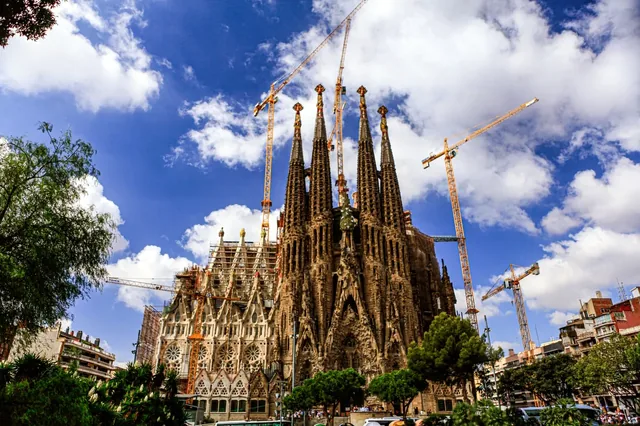
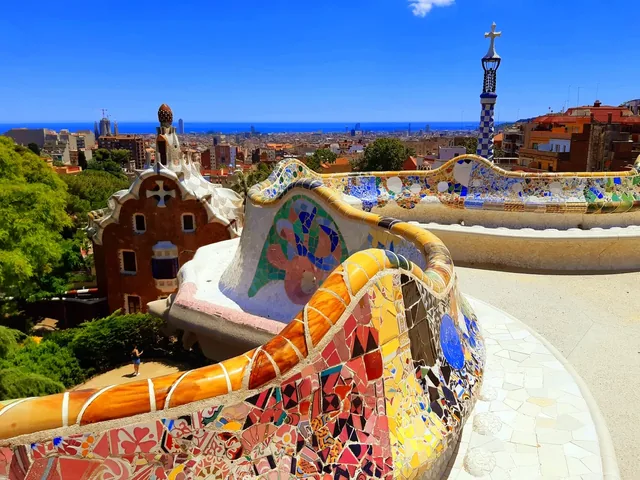
This is where a trip to Barcelona gets expensive fast if you try to see everything. Sagrada Família and Park Güell are the two attractions every visitor wants to see, and both now require booking a timed entry slot in advance, since walk-up tickets are no longer sold at the gate:
| Attraction | Price per person (from) |
|---|---|
| Sagrada Família (basilica entry) | €37.80 |
| Park Güell (Monumental Zone + audio guide) | €17.00 |
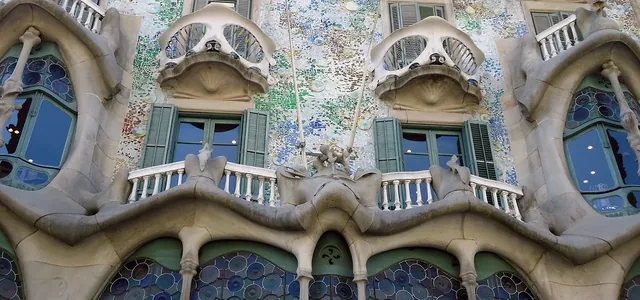
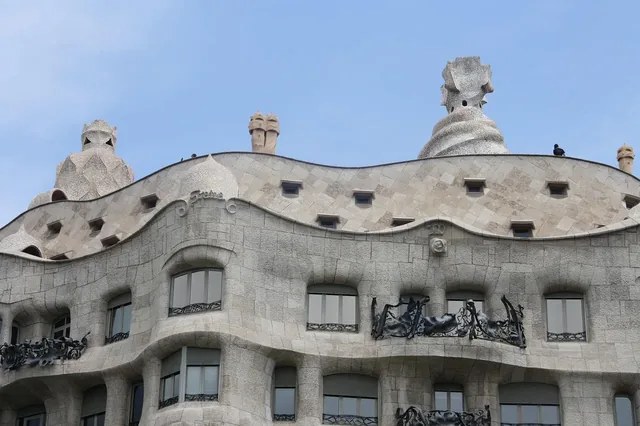
If Sagrada Família and Park Güell aren't enough Gaudí for one trip, Casa Batlló and Casa Milà (La Pedrera) are the other two big-ticket sights most visitors add to the list, and picking between them can save you from booking both. 2026 also happens to be Gaudí's centenary year, which means extra exhibitions, but also extra demand for tickets, so book everything earlier than you think you need to.
Add tower access at Sagrada Família and a guided tour at Park Güell and two people can rack up over €150 on two attractions alone. The good news is that Barcelona has a long list of free or near-free alternatives: many museums offer free entry on the first Sunday of the month, and several, including the Museu d'Història de Barcelona sites, the Museu Marítim and the Museu del Disseny, offer free entry on Sunday afternoons from 3pm. Montjuïc Castle is also free on Sunday afternoons, and the views over the city and port from up there cost nothing the rest of the week either, since the cable car is the only paid part. Wandering Las Ramblas, the Gothic Quarter, and the beach do not cost a cent.
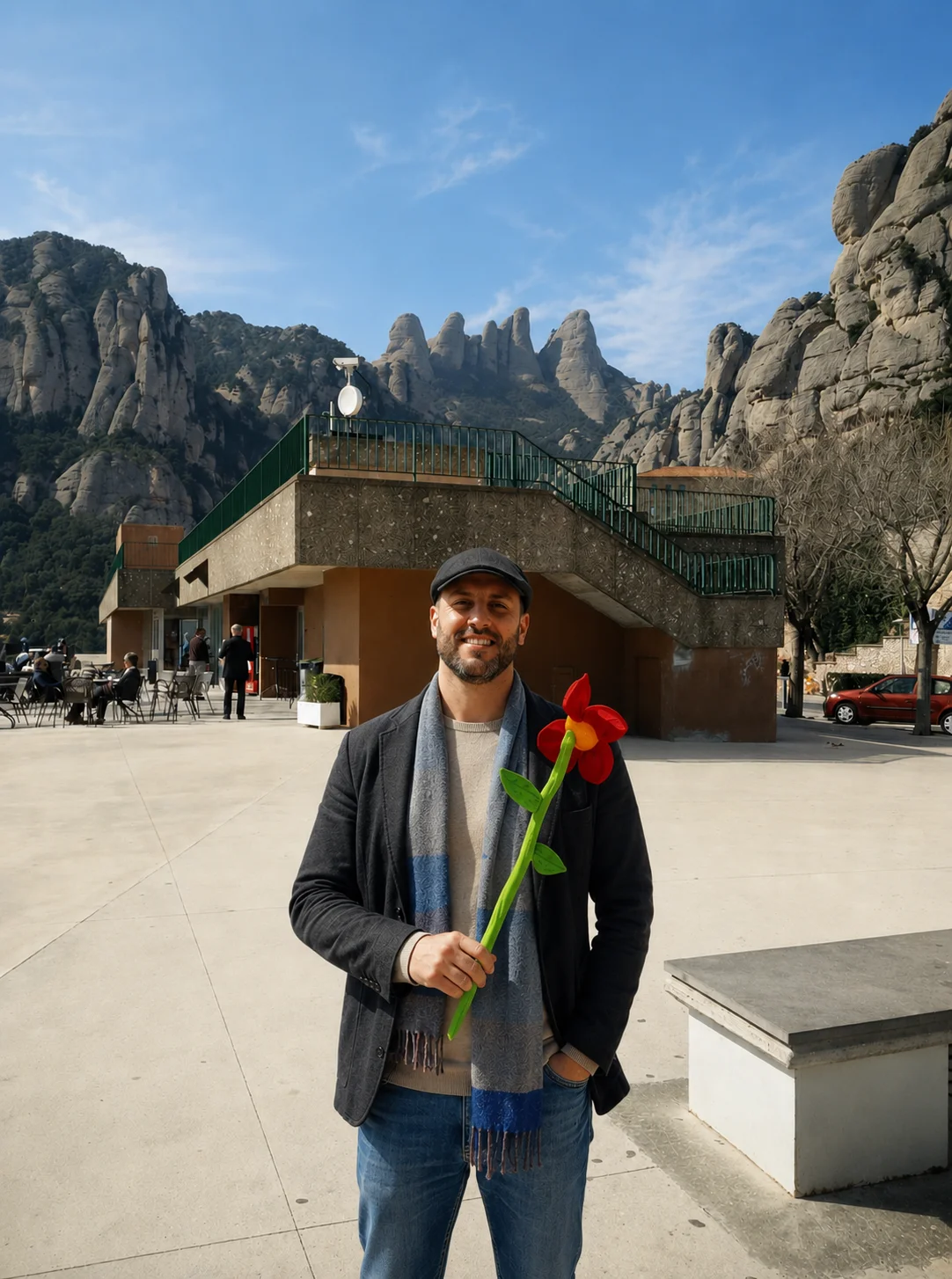
If you have an extra day, a day trip out of the city, to Montserrat or the beaches north of the city, typically costs €20-30 in train tickets and is one of the better-value additions to a Barcelona itinerary, since the scenery does most of the work.
Is Barcelona Expensive Compared to Other European Cities?
Within Spain, Barcelona is the priciest city to visit, more expensive than Madrid, Valencia or Seville for accommodation and dining, largely because of tourist demand and the tourist tax that other Spanish cities do not charge at the same rate. Across Europe, though, Barcelona sits comfortably in the middle of the pack. The overall cost of living and visiting is lower than Paris, London, Amsterdam, or Zurich, where a similar mid-range day can run 30-50% higher. It is broadly comparable to Rome, Berlin or Munich, and a step up from Lisbon, Porto, Krakow or Athens, where the same daily budget would stretch a fair bit further.
Barcelona is expensive for Spain but mid-pack for Europe, and that gap closes fast once you start eating lunch like a local and walking instead of taking taxis.
Frequently Asked Questions
Do I need cash in Barcelona, or is it card-friendly?
Barcelona is almost entirely card-friendly. Restaurants, museums, transport ticket machines and even small tapas bars accept contactless payments. It is worth carrying €20-30 in cash for the rare market stall or public toilet that is cash-only, but you will not need much more than that.
Is Barcelona cheaper than the USA?
For most travellers from the US, Barcelona feels a lot cheaper, particularly for food, public transport and museum or attraction tickets. Accommodation in central Barcelona can be similar in price to a mid-size US city, but daily costs for meals and getting around tend to come in well below American equivalents.
What is the cheapest time of year to visit Barcelona?
Late autumn (November) and the period from January through March, outside the Christmas and New Year weeks, are the cheapest times to visit. Flights and hotel rates drop once peak season ends in late September, while the weather is still mild enough for sightseeing and even the occasional beach walk.
Do all visitors have to pay the Barcelona tourist tax?
Yes. The tax applies per person, per night, for the first seven nights of any stay, and is charged on top of your accommodation cost regardless of whether you book a hotel, hostel or apartment. Children under 16 are exempt.
What costs do tourists often forget to budget for?
The two most commonly forgotten costs are the tourist tax, added per person per night at your accommodation, and timed-entry tickets for Sagrada Família and Park Güell, which sell out days in advance and cannot be bought at the gate. Both are easy to plan for once you know they are coming.