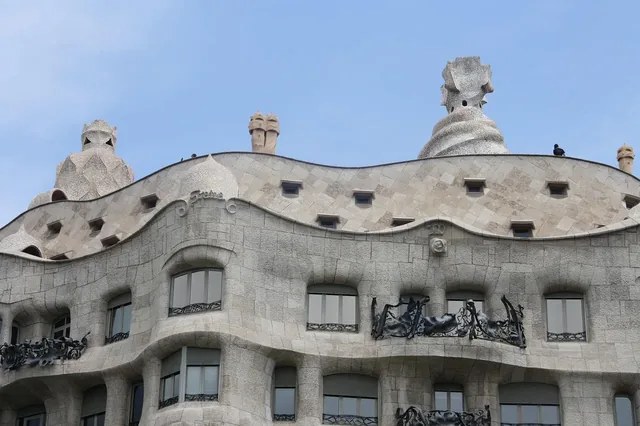
Barcelona in January: a quieter, more intimate experience
January shows a different side of Barcelona. The summer crowds are long gone, the pace slows down, and the city's landmarks, museums, and restaurants are easier to enjoy without queuing for an hour first.
Fewer crowds, shorter lines
January is one of the quietest months for tourism in Barcelona. Lines at the big attractions, restaurants, and shops are noticeably shorter, so you can spend more time actually seeing the city and less time waiting around.
Barcelona beyond the beach
The beach isn't the draw this time of year, but there's still plenty to do: the Picasso Museum, the Gothic Quarter, Catalan food, and a calendar of local festivals that kick off the new year.
January weather in Barcelona
Daytime highs average around 14°C, dropping to around 4°C overnight, with around five rainy days across the month. Pack a warm jacket, a fleece or sweater, and comfortable walking shoes.
January in Barcelona: festivals, attractions, and activities
January in Barcelona pairs the new year with a packed calendar: from the architectural landmarks of Casa Batlló and Park Güell to the Sagrada Família, there's plenty to fill the days.
Casa Batlló
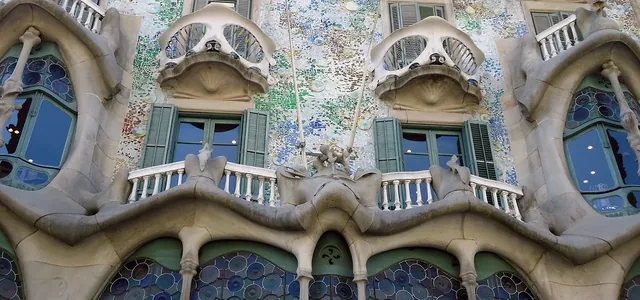
Casa Batlló, nicknamed the "House of Bones," is one of Gaudí's best-known buildings. The exterior balconies resemble bone-like forms, and the façade is covered in mosaics made from broken ceramic tiles, a technique known as trencadís.
The Noble Floor, the heart of this UNESCO World Heritage Site, is reached through an entrance hall lit by skylights shaped like tortoise shells. The 700-square-metre floor has barely a straight line in it, including the ceiling.
Three Kings Parade (January 5)
The Cavalcade of the Three Kings (Cabalgata de los Reyes Magos) takes place on the evening of January 5, the night before Epiphany. Floats carrying Melchior, Caspar, and Balthazar move through the city, with the kings throwing sweets to the crowds along the route. It's a major event for families and one of the best-attended parades of the year.
Sagrada Família
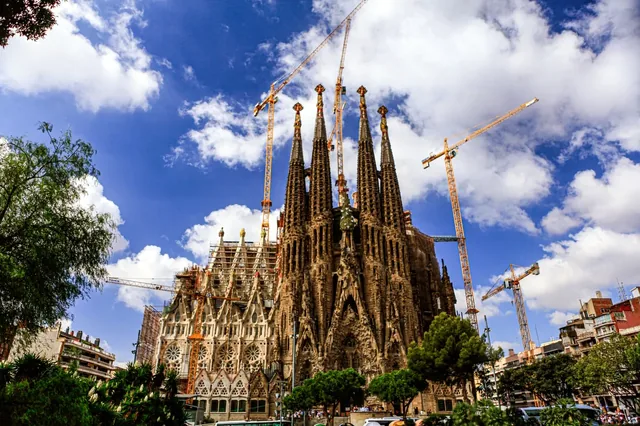
The Sagrada Família is worth visiting at any time of year, and January's thinner crowds and milder weather make it one of the more comfortable months to go.
Barcelona Aquarium
Barcelona Aquarium has more than 450 species across 35 exhibits, including the Oceanarium, a tank holding 4 million litres of water with an 80-metre underwater glass tunnel running through it.
MNAC: Museu Nacional d'Art de Catalunya
MNAC traces Catalan art from the 10th to the 20th century across three main collections: Romanesque and Gothic art, Renaissance and Baroque art (with works by El Greco, Velázquez, and Rubens), and modern Catalan art.
Festa Major de Sant Antoni
The Sant Antoni neighbourhood's festa major runs for around ten days in mid-to-late January, centred on the feast of Sant Antoni Abat (January 17). The highlight is the Tres Tombs, a procession of horses, carriages, and animals through the neighbourhood, alongside free concerts, markets, and street events.
January sales (Rebajas)
The winter sales, known as rebajas, start on January 7, right after Three Kings Day, and typically run for three to four weeks. Stores usually move through a few rounds of discounts, with the deepest cuts toward the end.
Picasso Museum
The Picasso Museum holds close to 5,000 works across paintings, drawings, and engravings, with a strong focus on Picasso's early career in Barcelona.
Churros con chocolate
Hot chocolate and churros are a good way to warm up on a cold January day. Carrer de Petritxol in the Gothic Quarter has some of the city's best-known churro shops.
Flamenco show
Flamenco isn't native to Barcelona, but the city has a solid scene for it: a tablao show is an intense hour or so of guitar, singing, and footwork at close range.
Park Güell
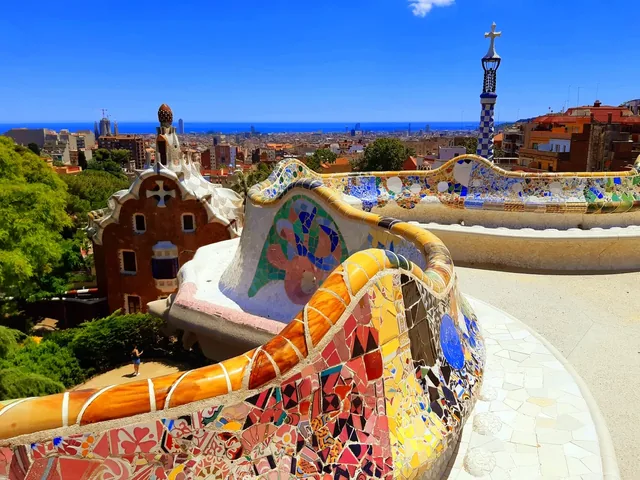
Park Güell combines tree-shaped columns, mosaic surfaces, and wide views over the city. January is one of the quieter months to visit, though booking Monumental Zone tickets ahead is still worth doing.
La Rambla
La Rambla runs 1.2 kilometres from Plaça de Catalunya down to the Columbus Monument at the port. It's busy year-round, but January's quieter crowds make it a more comfortable walk than in summer.
Hop-on hop-off bus
The tourist bus is a decent way to get an overview of the city's layout, with commentary in 16 languages and stops at the main sights.
Calçotada in Valls
The Gran Festa de la Calçotada takes place on the last Sunday of January in Valls, around an hour from Barcelona. Calçots, a type of large spring onion, are charred over open flames until blackened outside and soft inside, then dipped in romesco sauce. The day also includes parades, tastings, and competitions for the best calçots and sauce.
Moco Museum
Moco Museum shows modern and contemporary art, including pieces by Andy Warhol, Jean-Michel Basquiat, Keith Haring, and Yayoi Kusama, in a historic building in El Born.
Bar crawl
A bar crawl is a straightforward way to cover several of Barcelona's nightlife spots in one evening, with company along the way, good for shaking off the January cold.
La Boqueria Market
La Boqueria dates back to 1217, when it started as a collection of meat stalls outside the city walls. It's now a market with over 200 stalls, good for picking up food for the days ahead or grabbing a quick bite.
Barcelona Cathedral
The Barcelona Cathedral, officially the Cathedral of the Holy Cross and Saint Eulalia, dates back to the 14th century and is the seat of the Archbishop of Barcelona.
Santa Maria del Mar
Built between 1329 and 1383 in the La Ribera district, Santa Maria del Mar is one of the best examples of pure Catalan Gothic architecture, with tall columns and an open interior that's rarely crowded.
Montjuïc cable car
The cable car climbs 750 metres up to Montjuïc Castle, rising 84.5 metres above the city, with views over Barcelona including the Sagrada Família and the Agbar Tower.
Sant Pau Art Nouveau
The Recinte Modernista de Sant Pau, near the Sagrada Família, operated as a working hospital until 2009 before reopening in 2014 as an open-air museum of Art Nouveau architecture.
Visiting Barcelona in January
January won't give you beach weather, but it offers fewer crowds at the main sights, milder winter conditions, and a calendar packed with the Three Kings Parade, Sant Antoni's festa major, and the Calçotada in Valls.
If you're after a quieter, more relaxed visit to Barcelona, with shorter lines at the Sagrada Família and Park Güell, January is worth considering.
Visiting at a different time of year? Read our guides to Barcelona in December or Barcelona in February.