Barcelona at Christmas is a city that does things its own way. Forget mulled wine and snow-dusted stalls: here the air smells of roasting chestnuts and chocolate, the lights on Passeig de Gràcia glow gold against Modernista facades, and somewhere in every nativity scene there is a small squatting figure that will make you stop, stare, and then laugh out loud. The Christmas markets in Barcelona are festive, chaotic, and wonderfully Catalan.
There are five main markets, each with its own personality. The oldest dates to 1786. The newest has a Ferris wheel. Here is how to visit them without wasting a single afternoon.
Fira de Santa Llúcia: Barcelona's Classic Christmas Market
The Fira de Santa Llúcia, held in front of Barcelona Cathedral in the Gothic Quarter since 1786, is the most famous of Barcelona's Christmas markets. More than 300 stalls crowd the Pla de la Seu from late November until 23 December, selling nativity scene figures, christmas trees, mistletoe, jewellery, and hand-made and artisan products. Entry is free. Hours are 10:00 to 21:00 daily.
This is also where you will find the caganer stalls: entire tables of tiny squatting figurines available in the likeness of any footballer, politician, or pop star you care to name. Nobody outside Catalonia fully understands them until they look one up.
Fira de Nadal at la Sagrada Família: The Local Favourite
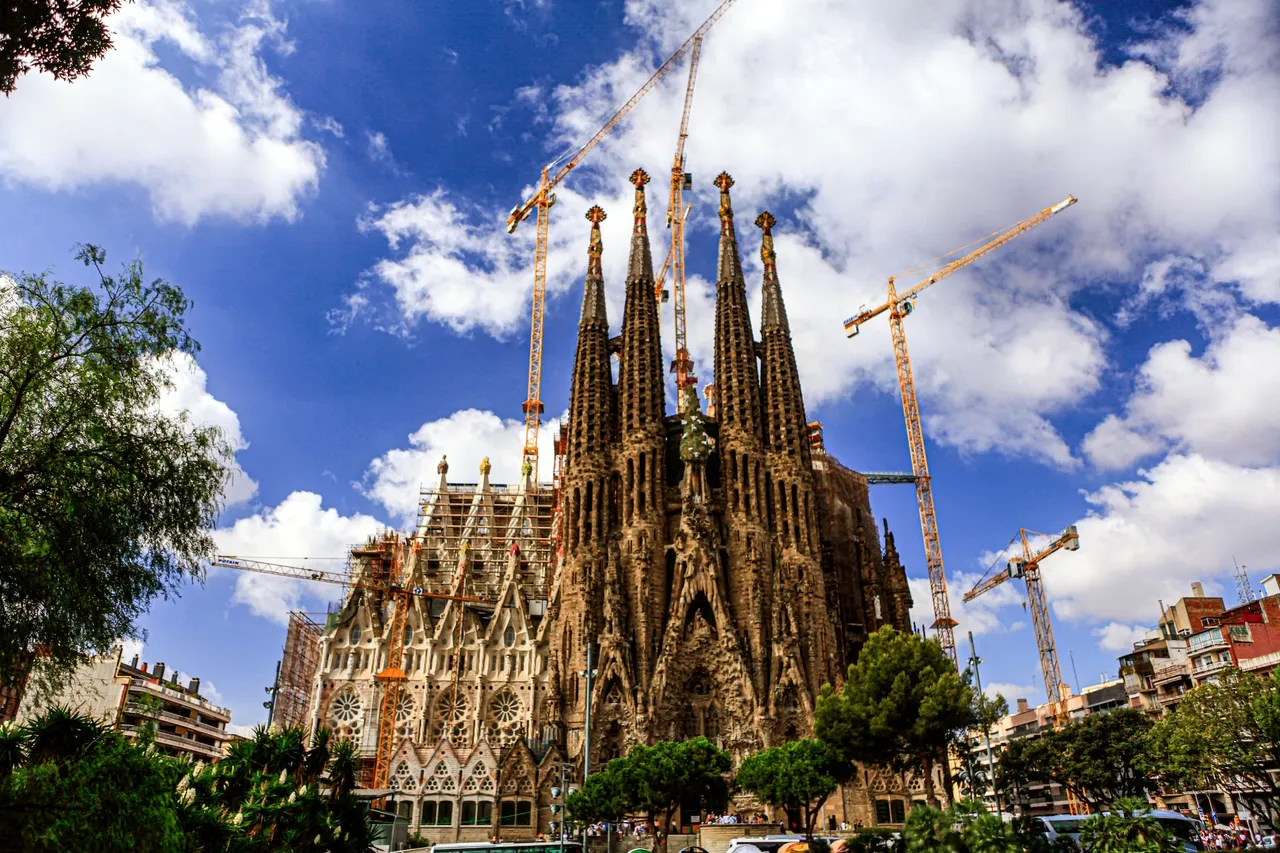
Ask a local which christmas market in Barcelona they actually prefer and most will point you toward the Fira de Nadal de la Sagrada Família. Set in the plaça gardens beside the basilica, it runs until 23 December (10:00 to 21:00 weekdays; 10:00 to 22:00 weekends) and sells a similar mix of crafts alongside hot food: churros, roasted chestnuts, and hot chocolate. The crowd is thinner and the setting is extraordinary: the basilica towers over you while you browse.
Local tip
Visit the Fira de Nadal de la Sagrada Família at dusk on a weekend evening. The market stays open until 22:00 and the basilica's illuminated facade glows behind the stalls in a way no photograph adequately captures. Half the crowd of Santa Llúcia, twice the magic. This is the one locals take their guests to.
Port Vell, the Kings' Market, and Other Festive Markets
For families, the Fira de Nadal del Port Vell near the Columbus Monument is the standout. Open daily from 5 December through 6th January (11:00 to 22:30), this 24,000 m² market on the Moll de la Fusta is the only one with a 400 m² ice skating rink, a 65-metre Ferris wheel, a floating nativity scene on the water, a vintage carousel, and mulled wine. Plan two to three hours here.
From mid-December, the Fira de Reis de la Gran Via runs along Gran Via until 6 January, focused on gifts: toys, gadgets, and sweets aimed at the Three Kings gift-giving tradition on Epiphany. In Catalunya, the wise men are the main event rather than Santa Claus, and this market reflects that. For something more refined, the Mercat de Nadal de Pedralbes offers high-end crafts and gourmet food in the Royal Palace gardens, with a ticketed entry that keeps the crowds manageable.
Catalan Christmas Traditions You Will Encounter at the Markets
Two things confuse every tourist at their first christmas market in Barcelona. The first is the caganer: a small figurine in a distinctive squatting position, traditionally placed hidden in a corner of the nativity scene. Modern versions depict celebrities and politicians, all in the same pose. Catalans have been doing this since at least the 18th century. The tradition reads as irreverent until you understand it: according to Catalan traditions, the act represents fertilising the earth, a good-luck charm for the harvest to come. You can find celebrity caganers at the Fira de Santa Llúcia. Buy one. It is an icebreaker at every Christmas dinner back home.
The second is the Tió de Nadal (or Caga Tió, the "pooping log"): a hollow log with a painted face and a red barretina hat, propped on two stick legs. From 8 December, families feed it each night with scraps and cover it with a blanket to keep it warm. On Christmas Eve, children beat it with sticks while chanting a traditional song and lift the blanket to find sweets and turró (nougat) hidden underneath. A giant Tió is on display at the Fira de Santa Llúcia each year, and smaller versions are sold at almost every stall.
Christmas Lights and the Barcelona Christmas Bus Tour
Around 21 November 2026, Barcelona switches on its christmas lights in a ceremony on Passeig de Gràcia attended by thousands. La Rambla, Plaça de Catalunya, and Portal de l’Àngel are all decorated. The event is free.
To see the lights from an open-top bus with live commentary on catalan traditions and seasonal events, the Barcelona Christmas Tour by Bus departs from Plaça Catalunya and passes la Sagrada Família, Arc de Triomf, and Torre Glòries. Tickets from €15.00. The Recinte Modernista de Sant Pau also runs the Lights of Sant Pau Christmas Garden from 20 November, a 1,500-metre illuminated trail through one of the city's most beautiful Modernista complexes. Tickets from €12.00.
Frequently Asked Questions
When do Barcelona's Christmas markets open in 2026?
Most markets open in late November 2026. The Fira de Santa Llúcia and Fira de Nadal de la Sagrada Família start around 27 November and run until 23 December. The Port Vell market opens 5 December and runs through 6 January 2027. The Fira de Reis (Kings' Market) opens mid-December until 6 January.
Are Barcelona's Christmas markets free to enter?
Yes, the main markets are free to enter: the Fira de Santa Llúcia, Fira de Nadal de la Sagrada Família, Port Vell market, and Kings' Market all have no admission charge. The Mercat de Nadal de Pedralbes charges a ticketed entry. Activities at Port Vell (ice skating, Ferris wheel rides) carry individual charges.
Which Christmas market is best for families in Barcelona?
The Fira de Nadal del Port Vell is the best pick for families: it has a 65-metre Ferris wheel, a 400 m² ice rink, a floating nativity scene, and a vintage carousel, and it runs through 6 January 2027. Plan at least two hours. The Fira de Santa Llúcia is better for browsing crafts and buying souvenirs.
What should I buy at the Barcelona Christmas markets?
At the Fira de Santa Llúcia, look for hand-crafted nativity figures (pessebres), caganers in celebrity likeness, and a Tió de Nadal. The artisan stalls near Plaça de Santa Maria del Pi sell Catalan honey, wines and cakes, artisan cheeses, and chocolates. At Port Vell, the food truck area is strong on festive street food: churros, roasted chestnuts, and mulled wine.
Is Christmas a good time to visit Barcelona?
Yes. Temperatures average 12 to 16°C in December and the city is far less crowded than in summer. The festive atmosphere is genuinely its own thing. Catalan Christmas has its own flavour: the caganers, the Tió de Nadal, and the spectacular Three Kings parade on the evening of 5 January (the Cavalcada de Reis) are experiences you will not find anywhere else.
Is Christmas better in Madrid or Barcelona?
Both cities have real Christmas character; the difference is what kind. Madrid's Plaza Mayor market is grander in scale. Barcelona offers a more distinct cultural identity: the caganer, the Caga Tió, and the Cavalcada de Reis are all uniquely Catalan, and the city adds a seafront market with a Ferris wheel and ice rink. For Catalan Christmas traditions, Barcelona wins. For the classic Spanish Christmas atmosphere, choose Madrid.