Five days is the moment Barcelona stops being a checklist and starts being a place you live in for a while. You get the big Gaudí hits, yes, but you also get the second coffee at the same café, the lazy afternoon at the beach, the evening you wander into a plaça because you heard guitar music. With 5 days in Barcelona you can see the famous sights, take one proper day trip and still have time to sit down.
This itinerary groups each day by neighbourhood (customize the order to suit your arrival day), so you spend your time looking up at buildings instead of staring at metro maps. It also plans around the things that quietly wreck trips: Monday museum closures, timed tickets that sell out and viewpoints that lock their gates before sunset.
Your Barcelona itinerary at a glance
| Day | Where you'll be | Evening plan |
|---|---|---|
| Day 1 | Gothic Quarter, El Born, La Rambla | Tapas crawl in El Born |
| Day 2 | Passeig de Gràcia, Sagrada Familia | Dinner in the Eixample |
| Day 3 | Park Güell, Gràcia, Bunkers del Carmel | Dinner on a Gràcia plaça |
| Day 4 | Day trips: Montserrat, or Girona and Figueres | Early night, you've earned it |
| Day 5 | Montjuïc and Barceloneta beach | Magic Fountain or a beach sunset |
If you arrive on a Monday, swap Day 1 and Day 2. The Picasso Museum and MNAC are closed on Mondays (except public holidays), while the Sagrada Familia opens every day of the year.
Day 1: Gothic Quarter, El Born and La Rambla
Your first day in Barcelona should be on foot. Start early in the Gothic Quarter, before the tour groups arrive, when the narrow lanes still smell of fresh bread and the only sound is someone hosing down a doorstep. The Cathedral of Barcelona is the obvious anchor, but the moment that stays with people is Plaça Sant Felip Neri, a quiet square whose church walls are still pockmarked from a 1938 bombing during the Spanish Civil War.
If you like context with your cobblestones, an English-speaking walking tour of the Gothic Quarter is a smart first-morning move: a good tour guide turns random alleys into stories, and you'll navigate the rest of the trip better for it.
Cross Via Laietana into El Born for the Picasso Museum, which focuses on the artist's early years in Barcelona and his playful reworking of Velázquez's Las Meninas. Pablo Picasso arrived here as a teenager, and you can watch his style change from gallery to gallery. Then step into Santa Maria del Mar, a Catalan Gothic basilica whose stones were carried up from the port by the neighbourhood's own porters.
Finish with a walk down La Rambla via La Boqueria (go before 11am, when the market still belongs to people buying dinner, not just people taking photos). Then head back to El Born for tapas: patatas bravas, pan con tomate and a vermouth at a bar with no English menu.
Local tip
The Picasso Museum has free entry on Thursday afternoons from mid-October to mid-April (Thursday to Saturday evenings in summer) and on the first Sunday of each month. Free slots still need booking, and they're released four days ahead. Set an alarm.
Day 2: Gaudí, Passeig de Gràcia and the Sagrada Familia
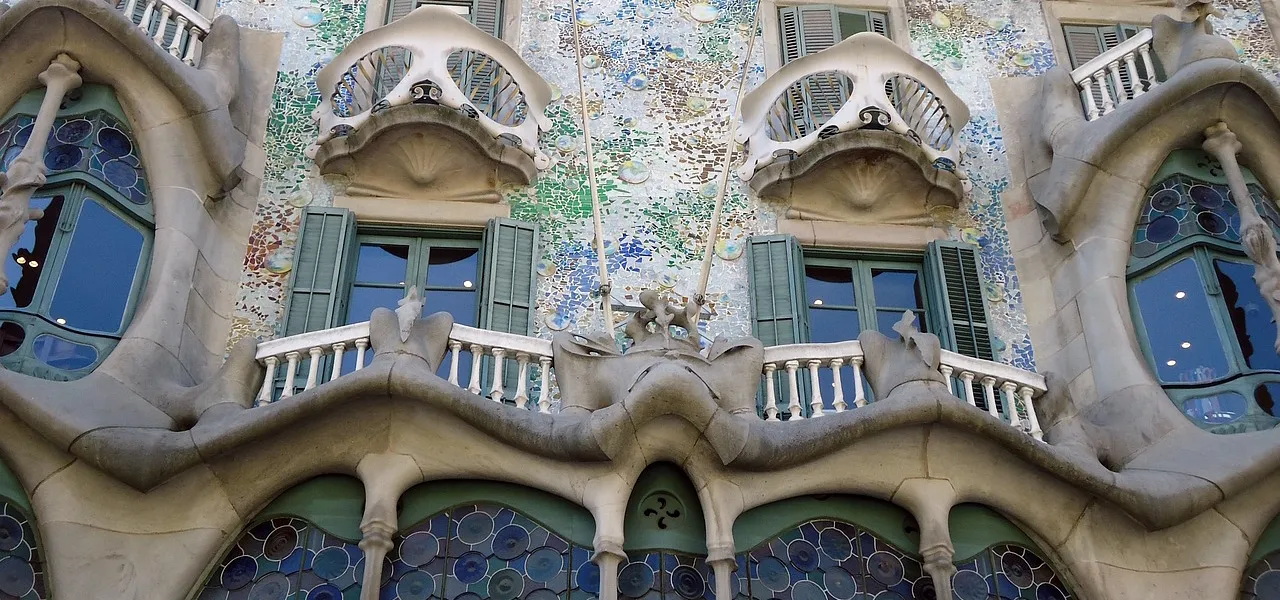
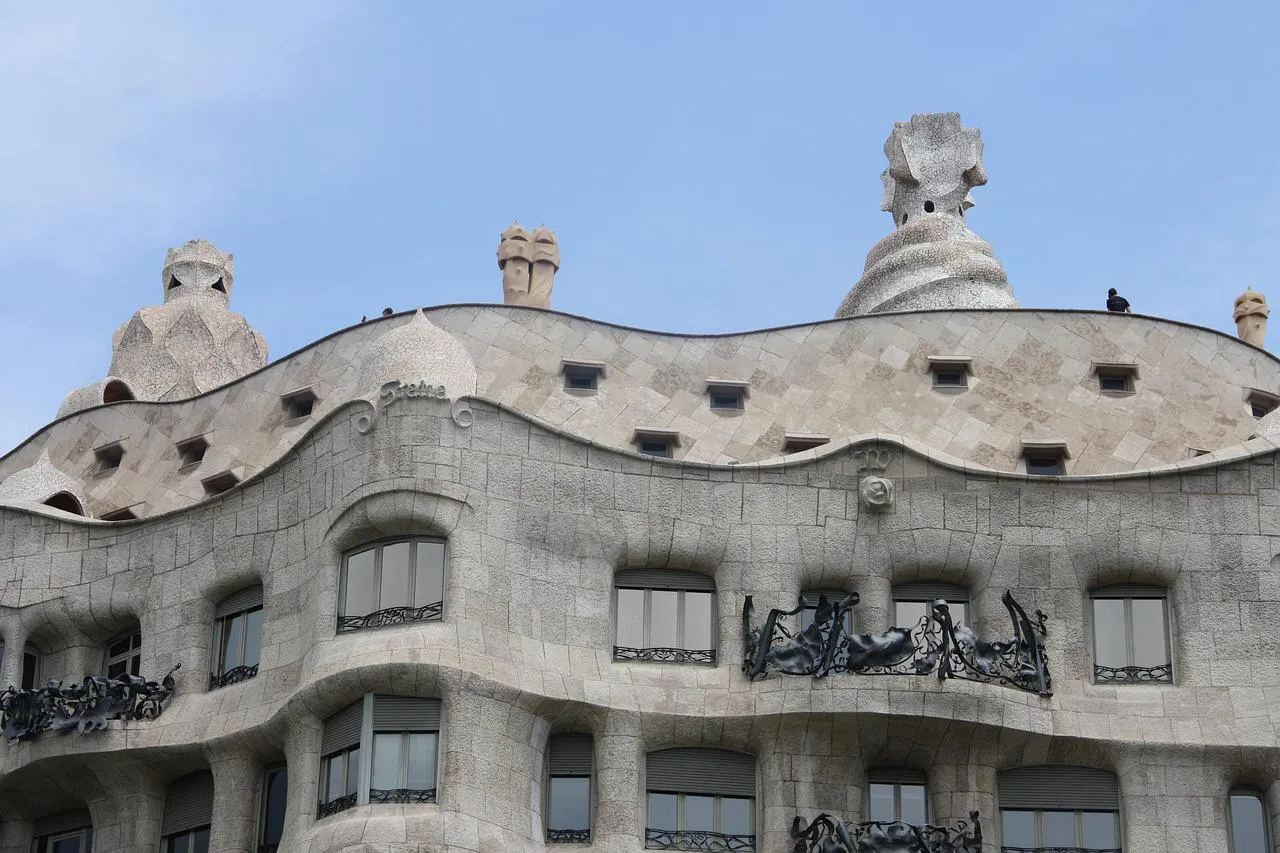
Day 2 is the Antoni Gaudí day, and it starts on Passeig de Gràcia, the Eixample's grand avenue. Casa Batlló looks like it's been dipped in the sea, all bone-shaped balconies and shimmering tiles. Four blocks up, Casa Milà (La Pedrera) has a rooftop of chimney warriors that feels like a film set. You don't need to go inside both: pick one for the interior, admire the other from the street.
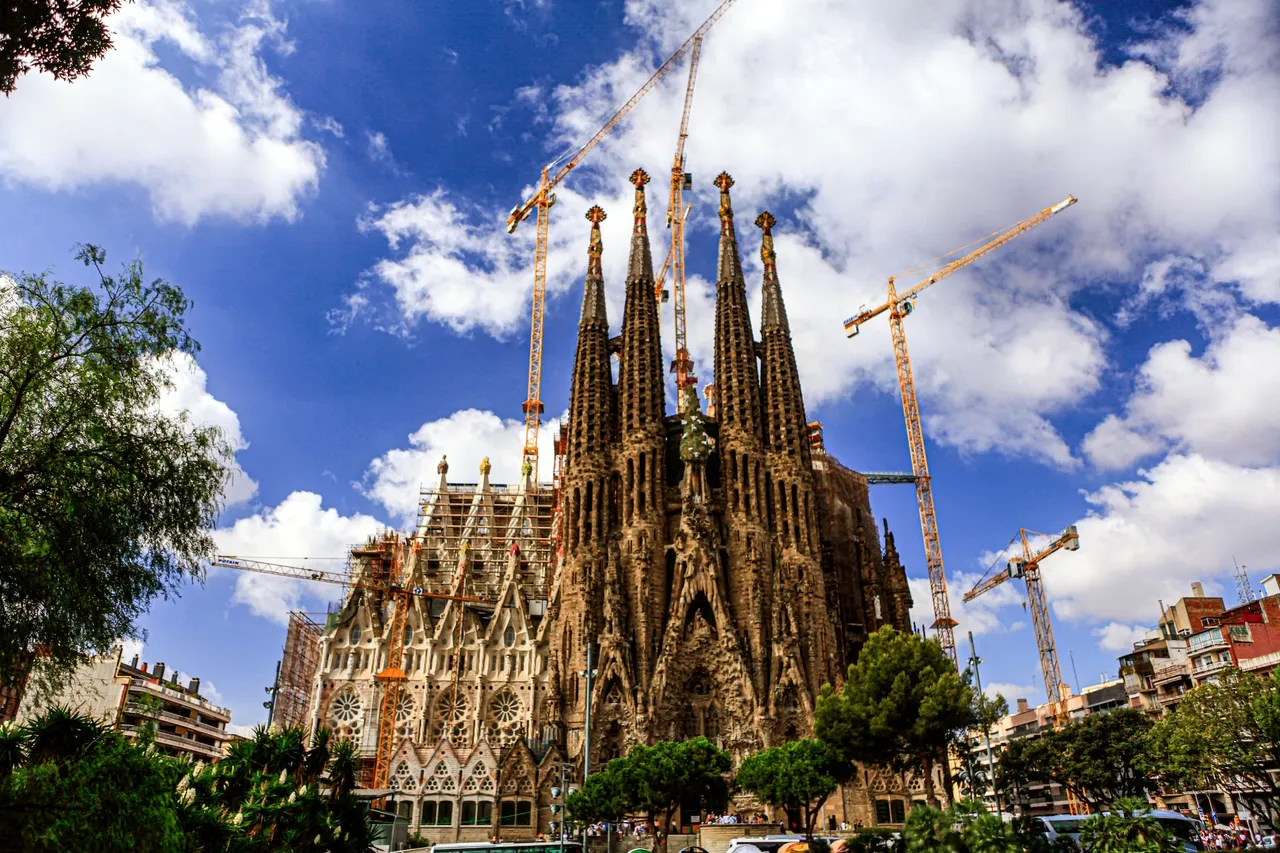
Then the big one. Your visit to the Sagrada Familia lands in a special year: on 10 June 2026, exactly 100 years after Gaudí's death, the Tower of Jesus Christ was inaugurated. At 172.5 metres it makes the basilica the tallest church in the world, and seeing it finished is something generations of visitors never got to do.
Local tip
Book the Sagrada Familia for late afternoon, not the morning everyone else chooses. The west-facing Passion side windows glow red and orange as the sun drops, and the whole nave turns warm. Morning slots give you the cooler blues and greens of the Nativity side, which are lovely, but the late light is the one people remember.
The viewing platform inside the new cross isn't expected to open to visitors until 2027, so a regular tower ticket is still your way up for now.
Legend
The story of Gaudí's death is one Barcelona still tells. In June 1926 he was hit by a tram on Gran Via, and because he dressed so plainly, passers-by took him for a beggar and he was taken to a hospital for the poor. By the time friends found him, it was too late. He's buried in the crypt of the basilica he never saw finished.
Day 3: Park Güell, Gràcia and views of the city
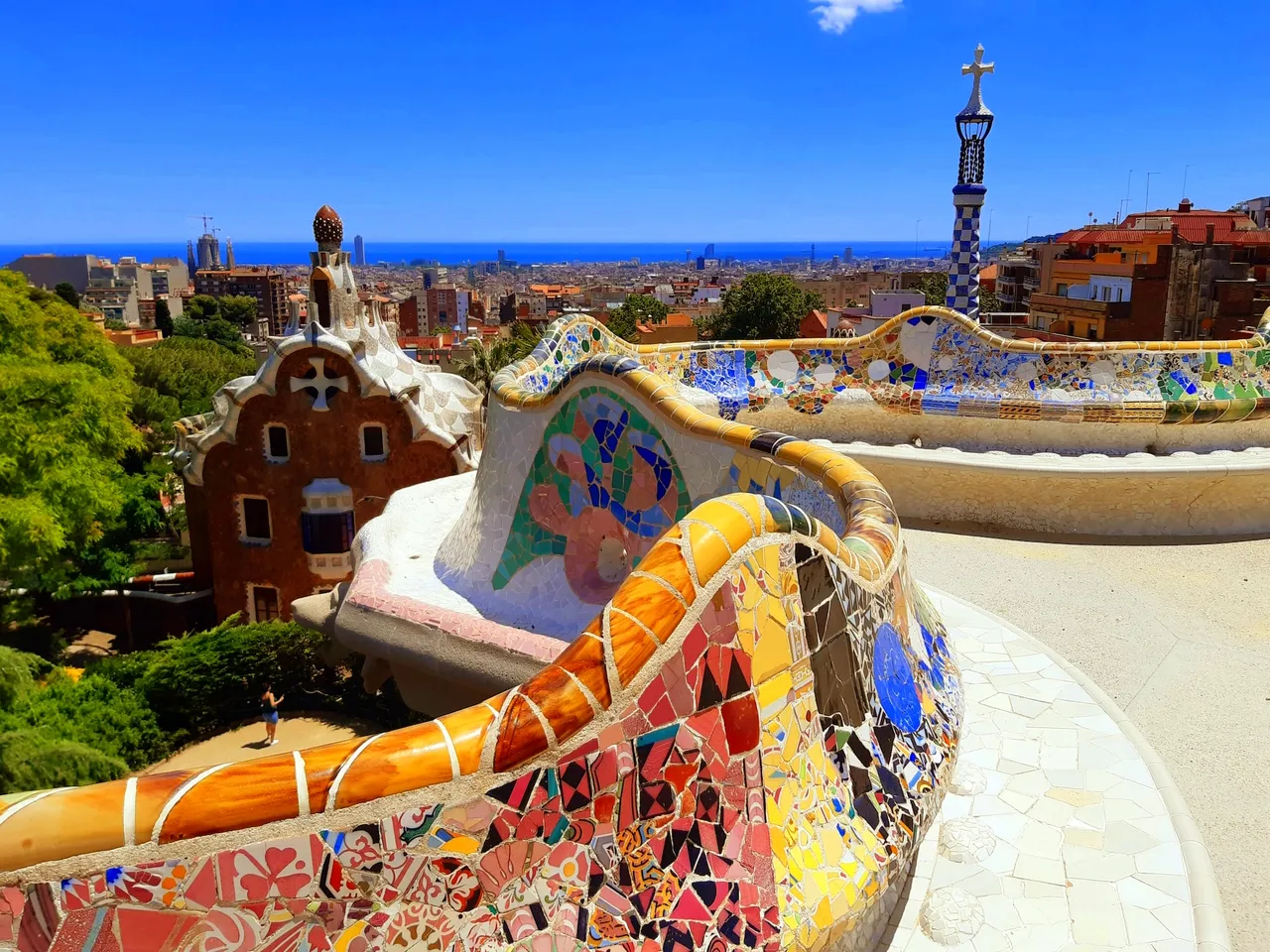
Book the first Park Güell slot of the day. The park opens at 9:30 every day, and the mosaic terrace with its serpentine bench is far calmer before the coaches arrive. Gaudí designed Park Güell (Parc Güell in Catalan) as a housing estate for wealthy families; only two houses were ever built, and the city got a fairy-tale park instead. The monumental zone runs on timed tickets with a daily cap, and you have to enter within 30 minutes of your slot.
Walk downhill into Gràcia for lunch. Gràcia feels like a village that got swallowed by the city, with small squares and a slightly bohemian crowd who actually live here. Plaça del Sol and Plaça de la Virreina are perfect for a long lunch on a terrace.
In the afternoon, climb to the Bunkers del Carmel, old Civil War anti-aircraft batteries with a 360-degree view over the whole metropolis, from the sea to Tibidabo. Go mid-afternoon: since 2023 the site is fenced and closes in the early evening (17:30 in winter, 19:30 in summer), so the famous sunset picnic is now mostly a thing of the past.
Day 4: Day trips to Montserrat, or Girona and Figueres
With 5 days you can leave the city for one day without feeling robbed, and the middle of the trip is the right time (never your last day, when a delayed train could cost you a flight).
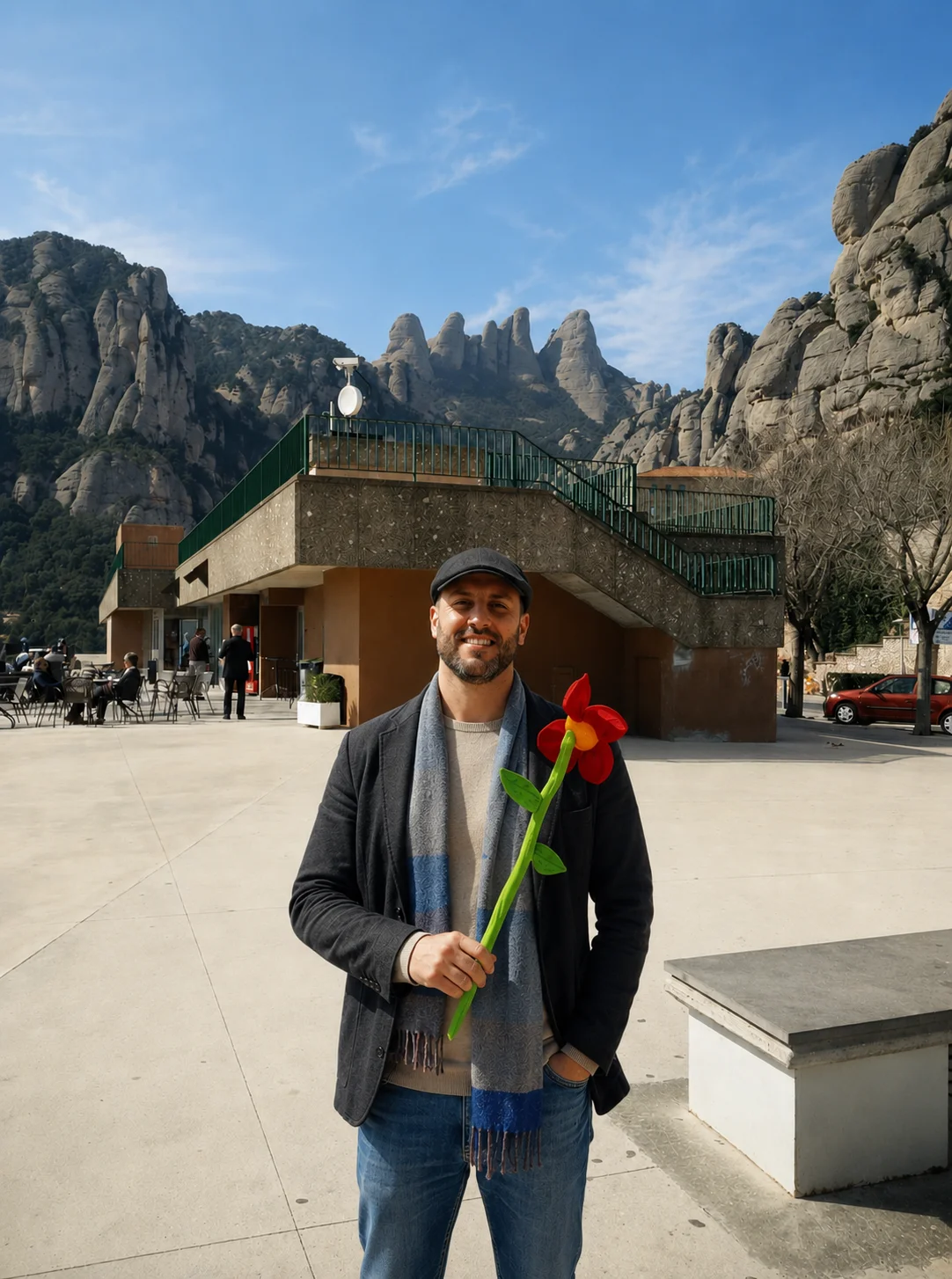
Montserrat is the classic. The R5 train from Plaça Espanya takes about an hour to the foot of the mountain, then the rack railway or cable car climbs up to the monastery. It's roughly 1.5 hours each way. Come for the jagged pink peaks, the Black Madonna and the Escolania boys' choir, and bring proper shoes for the trails above the monastery. Our Montserrat day trip guide covers the ticket combos.
Girona and Figueres suit art lovers. A high-speed train reaches Girona in about 40 minutes: colourful houses on the river, a huge cathedral staircase and medieval walls you can walk along. Continue to Figueres for the Dalí Theatre-Museum, the surreal shrine Salvador Dalí designed himself and is buried in. If you'd rather not juggle trains, a guided day tour with a private driver or small group covers both in one go.
Day 5: Montjuïc and Barceloneta beach
Spend your last morning on Montjuïc, the green hill above the port. Ride the cable car from the Miramar side for views of the city and harbour, then pick your culture: the MNAC for Romanesque frescoes, or the Fundació Joan Miró for colour and fun. Our guide to things to do in Montjuïc has more options.
Head down to Barceloneta beach for the afternoon. It's a city beach, busy and loud, full of street performers and families, and from June to October the water is warm enough for a swim. Eat paella near the old fishermen's quarter at lunchtime (locals rarely order it for dinner).
For your last night, the Magic Fountain at the foot of Montjuïc runs free light-and-music shows on Thursday to Saturday evenings in autumn; check the city schedule on the day, since nights get cancelled for maintenance. Or book a flamenco show: it's Andalusian rather than Catalan, but a good tablao makes a great last night anyway.
Barcelona travel tips for a 5-day trip
Get the 5-day Hola Barcelona Travel Card on arrival. It covers unlimited metro and bus rides for 120 hours from first use, including the metro to the airport, which the T-casual 10-ride ticket doesn't.
Book the Sagrada Familia and Park Güell before you fly. Both sell timed slots that regularly sell out in peak season, and skip-the-line access matters most at these two. Everything else can wait until you're in town.
Eat on Spanish time: lunch around 2pm, dinner from 9pm. And keep your phone in a front pocket on La Rambla and the busiest metro lines, where pickpockets work all day.
Football fans should know the Spotify Camp Nou is back in use for matches but still under renovation, so the visit is currently the Barça Immersive Tour rather than the classic stadium tour. Our Camp Nou guide has the latest.
Frequently asked questions
Is 5 days in Barcelona too long?
Not at all. Five days is the sweet spot: enough for the main Gaudí sights, the old town, a beach afternoon and one day trip, without rushing. If you only have half the time, our 3 days in Barcelona itinerary trims it down.
What is a typical breakfast in Barcelona?
Something small and quick: a café con leche with a croissant, or pa amb tomàquet (toasted bread rubbed with tomato and olive oil) with a slice of ham. The big breakfast happens mid-morning, if at all.
What are the best months to visit Barcelona?
May, June, September and October. The weather is warm without the heavy heat, and crowds are thinner than in July and August.
Should I visit the Palau de la Música Catalana?
Yes, if you have a free hour on Day 1, since it's close to El Born. Palau de la Musica Catalana is a modernist concert hall from 1908 with a stained-glass skylight that looks like an upside-down sun. Seeing it during an evening concert is even better than a daytime guided tour.
Make the most of your 5 days
Barcelona rewards people who slow down. Book the two big tickets early, follow the plan loosely, and leave gaps for the bar you stumble into or the plaça where one drink turns into three. And do get to that late-afternoon light inside the Sagrada Familia, a basilica that took 144 years to reach its full height. Start planning with the tickets, keep the last evening open, and don't be surprised if you spend it working out when you can come back.