Picture it: 7:30 on a warm evening, a tiny bodega in El Born where vermouth comes straight out of the barrel, and a plate of anchovies lands in front of you before you've worked out how to order. Your guide is already telling you why locals rub the tomato on the bread and never pile it on top. Three hours and five stops later you're full, a little tipsy on cava, and you finally understand why everyone in this city eats dinner at ten.
That's a good Barcelona food tour. A bad one is a march past picture menus on Las Ramblas with a lukewarm paella at the end. The difference comes down to a few choices you make before booking: the neighbourhood, the time of day, the group size and the day of the week.
Is a food tour in Barcelona worth it?
For most first-time visitors, yes. And honestly, the food is only half of it. Barcelona's food scene is easy to get wrong on your own. The best places to eat are often family-run bars with no English menu, no website and a counter three people deep, and they sit two streets away from places built entirely around tourist traffic. A knowledgeable tour guide walks you straight past the traps and into the local spots.
You also get the food culture explained as you go. Catalan cooking isn't the same as the Spanish cuisine you may know from Seville or Madrid: there's more seafood, more pork from the hills, sweet-and-salty pairings, and a habit of grazing standing up rather than sitting down to a big plate. A personable, informative guide turns all of that into stories instead of a menu glossary.
It's less worth it if you already know Spain well, have strict dietary needs the operator can't promise to cover, or prefer one long sit-down dinner to a dozen small bites. In those cases, pick two or three restaurants from our food and drink guide and book them yourself.
Local tip
Book your food tour for night one or two, not your last evening. Ask your guide for their own list of favourite places to eat (most are happy to share), and note which stops you loved. You now have a tested restaurant map for the rest of your trip, and you can walk back into that bodega on day four like a regular.
Choosing your neighbourhood: where to take a tour in Barcelona
The neighbourhood shapes the whole night, so choose it first and the operator second.
Gothic Quarter and El Born
The classic first-timer route. You stroll medieval lanes in the Gothic Quarter, cross into El Born, and eat in bars that mix century-old institutions with newer wine spots. Many tours here include a stop near Santa Caterina market, which is quieter and more local than the Boqueria. Expect jamón, croquetas, pa amb tomàquet and at least one glass of cava.
Gràcia
Gràcia feels like a village that Barcelona swallowed. Tours here are slower, built around little squares and the weekend ritual of "fer el vermut": vermouth with olives, crisps and tinned seafood before lunch. Good for a second visit, or for anyone who'd rather see locals than other tourists.
Barceloneta
The old fishermen's quarter by the beach is the place for seafood and for the bomba (more on that below). A Barceloneta food tour is the best pick if you want fish, rice dishes and the feeling of eating where dock workers once grabbed a cheap lunch.
Sant Antoni
Sant Antoni has become one of the city's most exciting food neighbourhoods, with modern tapas bars next to old-school bodegas around the restored market. It's a smart choice if you want the current food scene rather than the postcard version.
Market tours
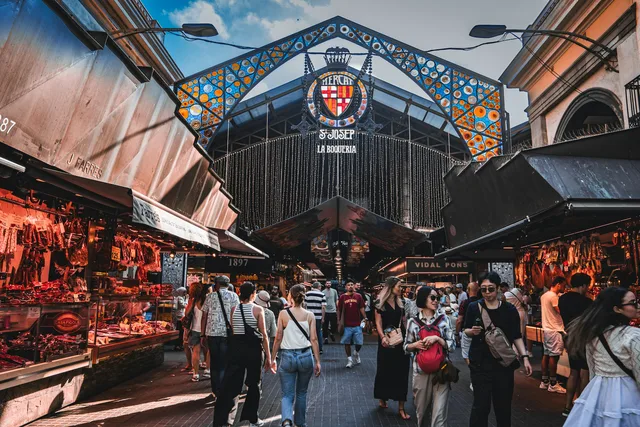
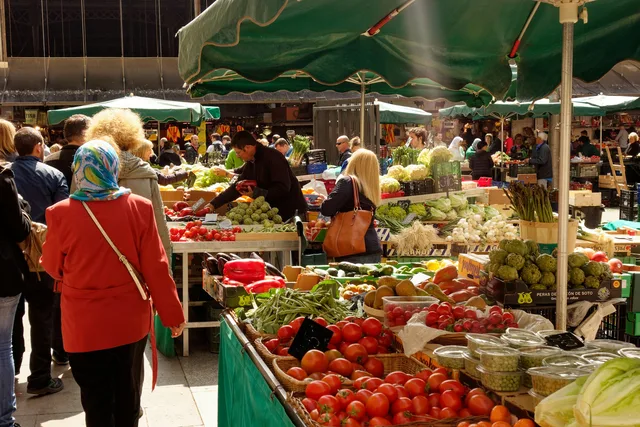
Morning tours start in the local markets, tasting at the market stalls before moving to a bar or two. They suit early risers and anyone curious about seasonal produce. Read our guides to La Boqueria and the city's other markets before you go.
What you'll eat on a Barcelona food tour
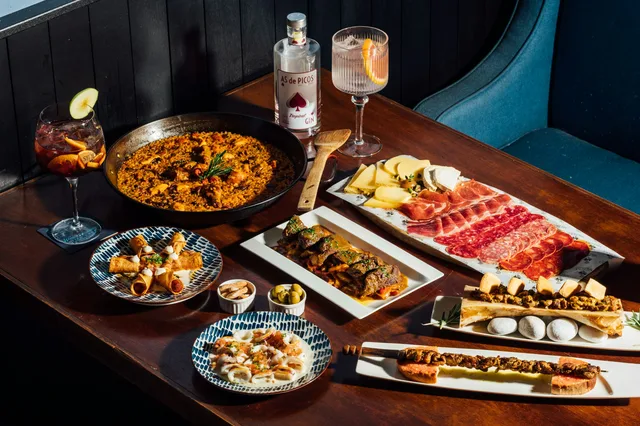
Most tours serve 8 to 12 tastings over 3 to 5 stops, with wine, cava or vermouth at each, which adds up to a full meal for most people. These are the dishes that turn up again and again.
| Dish | What it is | Where it shines |
|---|---|---|
| Pa amb tomàquet | Toasted bread rubbed with ripe tomato, olive oil and salt | Everywhere, with jamón |
| Bomba | A fried ball of mashed potato and meat with allioli and a spicy red sauce | Barceloneta |
| Patatas bravas | Fried potatoes with a hot sauce and allioli | Old bodegas |
| Croquetas | Creamy fried croquettes, often ham or squid ink | Gothic Quarter, El Born |
| Pintxos | Basque bites on bread held with a toothpick | Basque bars in El Born |
| Butifarra | Catalan pork sausage, sometimes with beans | Gràcia, Sant Antoni |
| Crema catalana | Custard with a burnt sugar crust, the classic dessert | Final stop |
Legend
The story goes that the bomba got its name from Barcelona's rebellious past. Around the turn of the 20th century the city was nicknamed "Rosa de Foc", the Rose of Fire, for its anarchist uprisings and street bombings. Legend has it that a cook at La Cova Fumada in Barceloneta shaped her potato balls like those round iron bombs, with the spicy red sauce playing the lit fuse. Nobody can prove the symbolism, but order one there and the family still serving it will happily tell you their version.
Don't expect a big plate of paella on an evening tour. Locals eat paella at lunch, and a good tour guide will tell you so. If paella is on your list, book it for a midday meal near the beach.
Fun fact
Locals treat pa amb tomàquet as close to sacred. The tomato is rubbed into the bread, never chopped and spooned on top, and arguing about the right bread is a national sport. For something that feels ancient, it's surprisingly young: the first known written mention only dates from 1884.
Related guides
Food and wine tour or tapas tour: timing matters
Evening tours usually start around 7 to 7:30 pm and run about three hours. They lean towards food and wine pairings, the bars are full of locals, and you finish just as Barcelona sits down to dinner. This is the best choice for couples and anyone who wants a night out built in.
Daytime tours are built around markets and vermouth hour. They're lighter, easier on the liver, and better with kids.
Good to know
Markets close on Sundays, and La Boqueria has no fresh fish on Mondays, so a market tour on either day loses its best part. August is the other trap: many family-owned bars close for the summer holidays, so check your tour's stops are still open if you're visiting then.
How to pick a good tour: beyond the guidebooks
Most of what makes a great culinary journey can be checked before you pay.
- Group size: Small-group food tours of 8 to 12 people fit into tiny bars. Groups of 20 get sent to big restaurants that can seat them.
- The stops: Look for named family-run or family-owned places. If the operator won't say where you'll eat, be wary.
- Drinks: Check whether drinks are included at every stop or only at one.
- Dietary needs: Pork, seafood and gluten are everywhere in Catalan food. Tell the operator when booking, and get a yes in writing.
- Pace: Two hours with four bites is a snack; three hours with ten tastings is dinner.
- Reviews: Read the recent ones and look for mentions of the guide by name. A knowledgeable local guide is what turns delicious food into a story you'll remember.
One more thing worth knowing: good operators work with the same small bars and producers for years, and that's how a group of strangers ends up with space at the counter on a busy night. Catalonia's food culture runs on local businesses like these, and you'll taste the difference.
Making the most of your food tour
Come hungry. Skip lunch or keep it tiny before an evening tour, because the tastings keep coming long after you think the last one has arrived. Wear comfortable shoes for the cobblestones, eat a little of everything rather than finishing every plate, and keep a note of the names of the places you liked.
Then go back. Order the bomba you loved, nod at the barman who poured your vermouth, and by the end of the week the city's best counters will feel like yours.
Frequently asked questions
What is the best food tour in Barcelona?
The best one matches your taste. First-timers should pick a small-group tour of the Gothic Quarter and El Born; returning visitors will enjoy Gràcia or Sant Antoni more. Choose a tour with named family-run stops and recent reviews that praise the guide.
How much walking is involved?
Not much. Stops are usually a few minutes apart, so most tours cover a gentle 1 to 2 km at an easy stroll, with plenty of standing at bar counters in between.
Can vegetarians do a Barcelona food tour?
Often yes, but not always. Many operators can swap dishes with notice, while some stops are built around ham or seafood. Ask before you book.
Do I need to tip on a food tour?
Tips are optional in Spain and not included in most tours. If your guide made the night, a tip is a kind way to say so.
Can kids join a food tour?
Most tours welcome children, and non-drinkers get juice or water. Daytime market tours work better for families than late evening wine tours.