You are standing at a stall on La Rambla with a basket on your arm, a guide is telling you which clams are worth it, and in two hours you will be stirring your own pan of rice with a glass of wine in the other hand. That is the good version of a cooking class in Barcelona. The bad version is a crowded room, a recipe sheet and a plate of paella that tastes like a hotel buffet.
The difference comes down to a few choices you make before you book: the format, the day of the week, and honestly whether a class is for you at all.
What a Spanish cooking class in Barcelona actually involves
Most classes are hands-on cooking from start to finish. A professional chef or a local cook shows you the technique, you chop, stir and season at your own station, and then everyone sits down to eat what was made. Drinks are usually included, most often sangria, wine or cava. Dietary needs can generally be handled if you say so when you book.
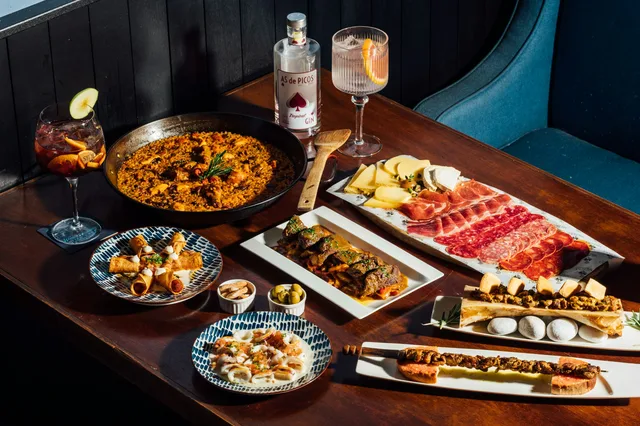
The classic menu is built around paella, with tapas first: pan con tomate, a Spanish omelette with potatoes, sometimes patatas bravas, and crema catalana to finish. Paella is a Valencian dish, so a good class teaches you the real method for the rice (the pan, the heat, the socarrat crust) and shows how Catalan cooks add their own touches.
Legend
The story goes that paella was first cooked by a young man for his sweetheart, hence para ella, "for her". It is a lovely tale and almost certainly invented. Most food historians trace the name to the wide, shallow pan, from the Latin patella. Ask your chef which version they prefer, it is a reliable way to get a good story out of them.
Paella cooking class with a Boqueria market tour
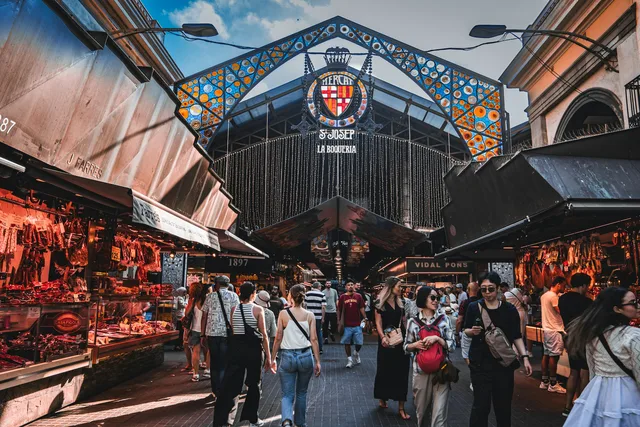
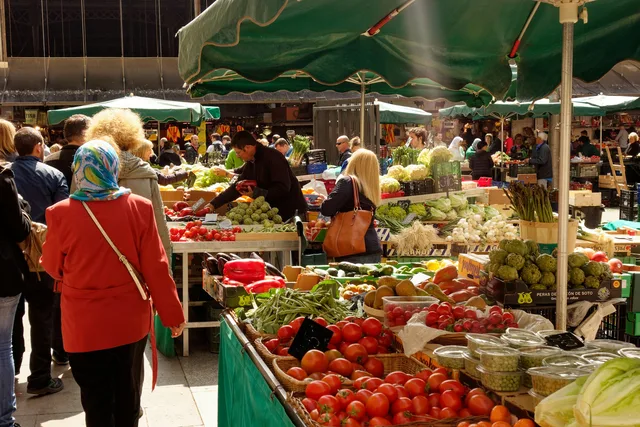
This is the one most visitors want, and for good reason. You start at the market, walk the aisles with your guide, and buy the fresh ingredients for the dish you are about to cook. Then it is back to the teaching kitchen for the actual cooking. Plan on around four hours, and arrive hungry.
The paella cooking class with a La Boqueria market tour starts on La Rambla, includes a four-course menu with unlimited wine and water, and comes with an apron and PDF recipes to take home. Tips for the team are not included. Our full guide to La Boqueria covers what else to eat there if you want to come back on your own.
Local tip
The market is closed on Sundays and public holidays, and a market-tour class cannot run when the stalls are shut. Many visitors book their class last, find only Sunday free, and discover the market visit has quietly vanished from the options. Make the cooking class the anchor of a weekday, Monday to Saturday, and book it before you plan the rest of the trip around it.
Evening tapas and paella class
If your days are already full, the evening format is easier to fit in. The premium tapas and paella class starts at 18:00, opens with cava and runs for about three hours, finishing with a five-course meal. Treat it as dinner and book nothing after it.
Related guides
A private class or a market lunch instead
For a birthday, a proposal or a team building day, a private cooking class gives you the whole kitchen and the chef's full attention. Private classes cost noticeably more than group ones, so it is worth it only when the occasion justifies it.
If you would rather eat than cook, the food market lunch tour with wine pairing walks you through a market and sits you down to lunch, with no stove involved.
Fun fact
The name of La Boqueria is often linked to the Catalan word boc, goat, which suggests the first traders here were selling goat meat. Valencians, meanwhile, take their rice so seriously that chorizo in a paella is considered heresy.
Which class fits your trip
| Format | Length | Best for | Runs on Sundays? |
|---|---|---|---|
| Paella class with Boqueria market tour | About 4 hours | First-timers and foodies who want the full story | No |
| Premium tapas and paella class | About 3 hours | Replacing dinner | Check the booking page |
| Food market lunch tour | Check the booking page | Eating well without cooking | Check the booking page |
How many people share the kitchen matters more than the menu. In a small group you get your own pan and the chef's eye on your rice. In a large one the class slides toward a demonstration, and you spend half your time watching.
Who should skip it
Skip a cooking class if you only have a Sunday free and were counting on the market. Skip it if you want a quick one-hour activity, because the shortest class here runs about three hours. Strict vegans should check the menu before booking, since paella is so often built around seafood. And if group activities make you tense, a private class or a paella at a good restaurant will make you happier than a shared kitchen.
Everyone else, beginner or confident home cook, goes home with a skill and a recipe. Not a bad souvenir.
Frequently asked questions
Do I need cooking experience?
No. Classes are designed for beginners, and confident cooks usually pick up a technique or two as well.
What should I wear?
Comfortable clothes and closed shoes. You will be on your feet for most of the class.
Can I join a class with dietary needs?
Often yes. Tell the school when you book so the menu can be adapted.