Picture two evenings. In the first, you're standing in the Sagrada Familia as the late sun pours through the western windows and the whole nave turns orange and red. In the second, it's 11 at night, you're squeezed against a zinc bar on Cava Baja with a caña in one hand and a slice of tortilla in the other, and the night hasn't really started yet. The first evening is Barcelona. The second is Madrid. Choosing between Barcelona and Madrid gets a lot easier once you know which of those two evenings you're travelling for.
Here's the short version of this Barcelona vs Madrid guide: Barcelona is the city you visit for its sights, and Madrid is the city you visit for its life. Barcelona has Gaudí, the Gothic Quarter and a beach at the end of the metro line. Madrid has the Prado, the Royal Palace and, more than anything, a social rhythm built around tapas bars, long lunches and nights that run late. I'd happily go back to either tomorrow, but they're good at very different things. Below you'll find which one fits your trip, which to visit first and how to see both.
Madrid vs Barcelona at a glance
| Barcelona | Madrid | |
|---|---|---|
| Best at | Landmark architecture, beach, sightseeing | Food, nightlife, art museums, street life |
| Signature sights | Sagrada Familia, Park Güell, Casa Batlló, Gothic Quarter | Prado, Reina Sofía, Royal Palace, Retiro Park |
| Setting | Coastal, on the Mediterranean | Inland plateau, around 650 m up |
| Summer | Hot and humid, busy beaches | Very hot and dry, quieter in August |
| Language on signs | Catalan and Spanish | Spanish |
| Daily costs | Higher, especially hotels | Generally cheaper |
Barcelona: the city you come to see
Barcelona is a coastal city that wears its history on the outside. You can walk out of your hotel and, within twenty minutes, be standing in front of something you've seen on a postcard. If your idea of a great trip to Spain is ticking off famous buildings, this is your city, and Barcelona feels made for exactly that kind of visitor.
Gaudí's Barcelona
Antoni Gaudí is why most people visit Barcelona, and he earns it. The Sagrada Familia has been under construction since 1882, and the interior is the single most memorable room in Spain. Book a timed slot before you go: a fast track ticket with Nativity Tower access gets you inside and up one of the towers in a single visit.
From there, the Gaudí trail runs up Passeig de Gràcia, where Casa Batlló and La Pedrera sit a few blocks apart. Book Casa Batlló entry for the dragon roof and the light well, and the La Pedrera sunset entry if you want the rooftop chimneys with the city glowing behind them. Up on the hill, Park Güell is all mosaic benches and long views to the sea, and an entry ticket with audio guide covers the monumental zone. Our guide to the best Gaudí buildings ranks them if you can't fit in all of them, and 2026 is a big year for him: it's the Gaudí centenary, 100 years since his death.
The Gothic Quarter, El Born and the beach
The Gothic Quarter is the medieval core: narrow lanes, the cathedral, Roman walls hidden inside later buildings. Next door, El Born has Santa Maria del Mar and some of the best small cocktail bars in the old town. Then there's the thing Madrid simply can't match: the sea. Barceloneta and the city beaches are a metro ride from the centre, and lunch here means fresh seafood and a rice dish with the sand still on your feet.
Barcelona food leans Mediterranean: seafood, Catalan dishes like pa amb tomàquet and botifarra, and the tourist-heavy (but still fun) La Boqueria market. Tapas exist, but they're not the whole social life the way they are in Madrid. A Gothic Quarter and El Born tapas tour is a good way to find the bars locals use.
The honest downsides: Barcelona is busier and pricier, its tourist tax doubled in April 2026, and the big attractions need booking days or weeks ahead in summer. If you want our full verdict, read is Barcelona worth visiting.
Madrid: the city you come to live in
Madrid offers fewer postcard buildings and much more of what happens between them. It's the capital (since 1561), it's big, and it's where Spain goes out. Where Barcelona asks you to look up, Madrid asks you to sit down, order something and stay a while. Of all the Spanish cities, this is the one that runs latest.
Tapas bars, terraces and late nights
The core of any trip to Madrid is the eating clock. Lunch runs from about 14:00 to 16:00, dinner rarely starts before 21:00, and between those meals the city drifts from bar to bar. Start in La Latina, where Cava Baja and Cava Alta are lined with tapas bars, then try Huertas and the Barrio de las Letras, and finish in Malasaña or Chueca, where the nightlife goes on well past midnight. On Sunday, follow the El Rastro flea market crowd down into La Latina for vermouth: it's the most Madrid thing you can do.
Don't skip the classics either: a bocadillo de calamares (a fried squid sandwich) near Plaza Mayor, a market lunch, and a cocktail on one of the best rooftop bars as the sun sets over the Royal Palace. If you'd like someone to do the ordering, the guided evening tapas crawl covers the old-town bars, and a flamenco show at Tablao Torres Bermejas is a fine way to fill the hour before dinner. More ideas are in our Madrid food and drink and flamenco guides.
The Madrid sights worth a morning
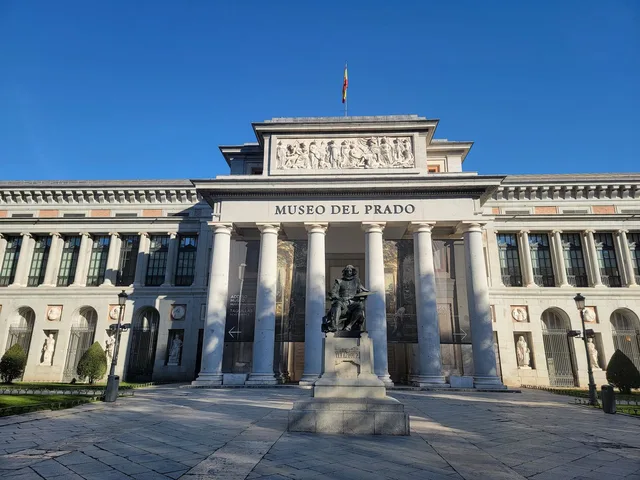
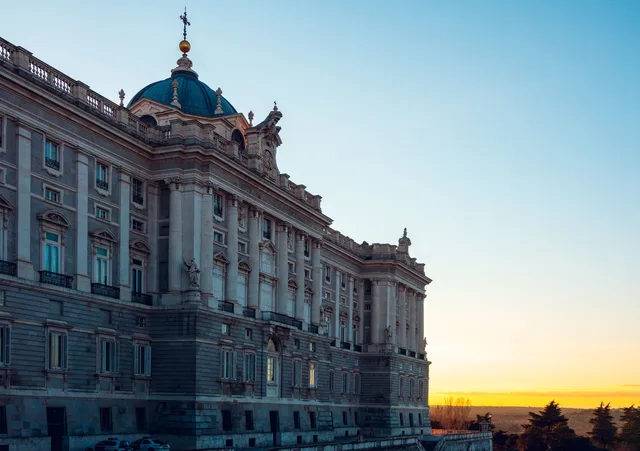
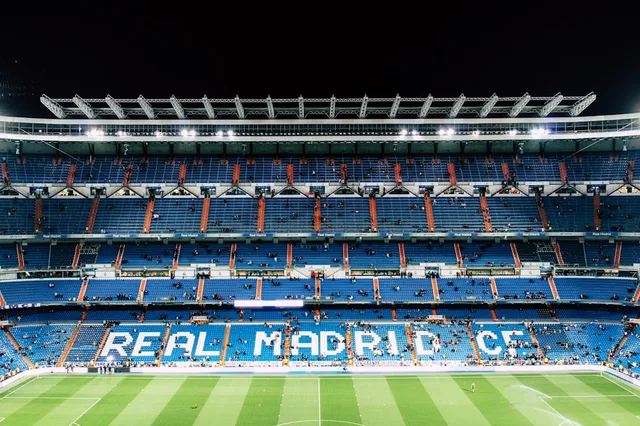
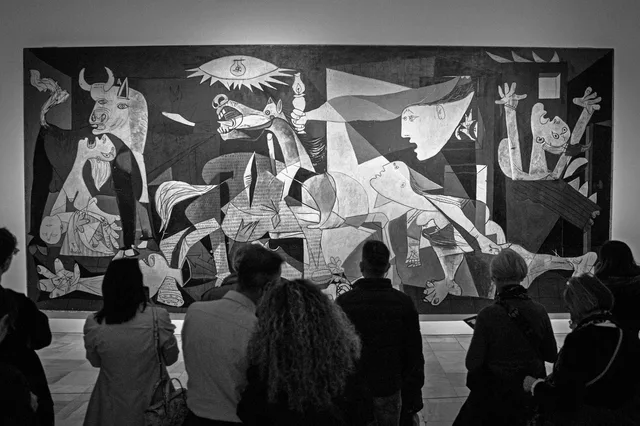
Madrid has serious sights too, and handily they're close together. The Prado, the Reina Sofía (home of Picasso's Guernica) and the Thyssen sit along one stretch of the Paseo del Prado, with Retiro Park behind them. Book the Prado entry ticket, or the Paseo del Arte Card if you want all three museums. Across town, the Royal Palace is still the official residence of the Spanish king (though he lives elsewhere) and sells out in peak season, so a fast track entry saves you the queue. Football fans can tour the home of Real Madrid with a Bernabéu museum entry.
Local tip
Barcelona is a daytime city and Madrid is a night city, so plan them that way. In Barcelona, spend your daylight on Gaudí and the old town, because the buildings are the show. In Madrid, do your sightseeing in the morning (the three big museums are within a 15-minute walk of each other) and keep afternoons light. Take a siesta, then go out at 21:00 like everyone else.
If you're combining Madrid and Barcelona, end in Madrid. The late nights make a better finale than a final museum queue, and Madrid-Barajas is Iberia's hub, so long-haul flights home, especially to the Americas, are usually easier from there.
The downsides: Madrid has no beach, and Madrid's summer heat in July and August can push past 35°C, which is why so many locals leave town in August. Read is Madrid worth visiting for the full picture.
Barcelona or Madrid: which one is right for you?
Choose Barcelona if it's your first trip to Spain and you want famous sights, you love architecture, you want a beach day on the same trip, or you're travelling as a couple who'd rather wander than bar-hop.
Choose Madrid if food and drink are the point of your holiday, you enjoy staying out late, you love art museums, or you want a city where you'll hear more Spanish than English at the bar and your euro goes further. Madrid wins on value: see our honest breakdowns of Madrid costs and Barcelona costs.
Football fans get a tie. Real Madrid play at the Bernabéu (fixtures here), and FC Barcelona returned to a rebuilt Spotify Camp Nou in November 2025.
Families often do slightly better in Barcelona, thanks to the beach and parks, though Madrid's Retiro Park and big plazas are good for kids too.
Day trips: Toledo and Segovia vs Girona and Montserrat
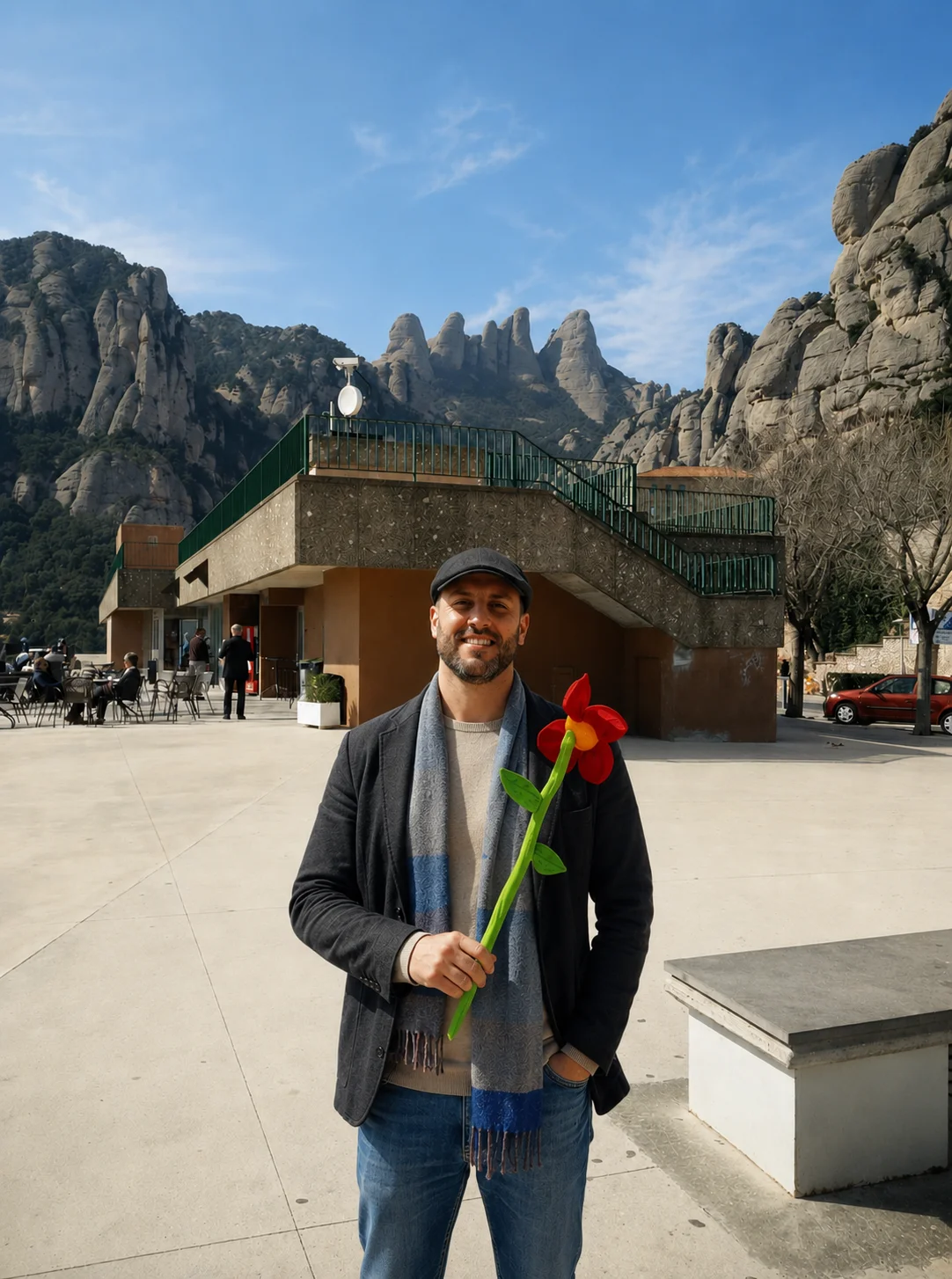
Both cities are great bases. Day trips from Madrid are mostly about history: Toledo is about 33 minutes by high-speed train, and Segovia about 30, and both old towns are UNESCO World Heritage Sites. For a guided version with food, there's a Toledo day trip with tapas and wine. From Barcelona, the best day trips lean to mountains and coast: Montserrat, Girona's medieval streets and the beach town of Sitges.
How to visit both Barcelona and Madrid
If you have a week, don't choose. The high-speed train links the two cities in about 2 hours 30 minutes, running from Barcelona Sants to Madrid roughly 30 times a day, and fares can start very low if you book early. Our train from Barcelona to Madrid guide compares the three operators. Flying rarely saves time once you add airport transfers and security.
| Trip length | How to split it |
|---|---|
| 4 to 5 days | 3 days in Barcelona, 2 days in Madrid |
| 7 days | 4 days in Barcelona, 3 days in Madrid |
| 10 days | 5 and 5, with a day trip from each |
Book an open-jaw flight (into Barcelona, out of Madrid) so you never backtrack. Public transport in both cities is excellent, so you won't need a car. For pacing, see how many days in Barcelona and how many days in Madrid.
Legend
Madrileños are nicknamed "gatos", meaning cats. Legend has it that when Alfonso VI's army attacked the Moorish town of Mayrit in 1085, one soldier climbed the city walls with nothing but his hands and a dagger, moving so nimbly that his comrades called him "el gato". The name stuck to his family and, eventually, to anyone born in Madrid. Barcelona has a grander myth: the story goes that Hercules himself founded the city.
Best time to visit Madrid and Barcelona
The best time to visit both is April to June and September to October, when days are warm and evenings are made for terraces. In the summer months, Barcelona is crowded and humid. Even so, peak summer is when Barcelona's beaches justify the heat and Madrid's rooftop pools come into their own. Our when-to-go guides for Madrid and Barcelona break it down month by month.
Frequently asked questions
Which city is more beautiful, Barcelona or Madrid?
Barcelona, for most visitors. Gaudí's buildings, the Gothic Quarter and the seafront give it more instantly photogenic sights. Madrid's beauty is grander and more classical, around the Royal Palace, Gran Vía and the Retiro.
Are there more tourists in Madrid or Barcelona?
Barcelona feels far more touristy, especially around the Sagrada Familia, Las Ramblas and Park Güell. Madrid gets plenty of visitors too, but they're spread across a bigger city, so its bars and squares feel more local.
Can I do Barcelona as a day trip from Madrid, or the other way round?
Technically yes, the train is fast enough, but five hours of travel leaves you with only a rushed afternoon. Give each city at least two nights.
Do people speak English more in Barcelona or Madrid?
English is widely spoken in tourist areas of both cities. In Barcelona you'll also see Catalan everywhere, on menus, metro signs and street names, but everyone you deal with will speak Spanish too.
Is Madrid safer than Barcelona?
Both are safe for visitors, and violent crime is rare. Barcelona has a stronger reputation for pickpockets, mainly on Las Ramblas and the metro, so keep your phone out of back pockets in both Barcelona and Madrid.
Is the food better in Madrid or Barcelona?
Madrid is better for tapas culture and value, Barcelona for seafood and Mediterranean dishes. If eating out is the highlight of your trip, Madrid is the safer bet.
So, Madrid or Barcelona?
If you want to come home with a camera roll full of Gaudí and a little sunburn, go to Barcelona. If you want to come home having eaten too well, slept too little and made friends at a bar counter, go to Madrid. And if you can stretch your trip to a week, take the train and let each city do what it does best.