The best moment of a cooking class in Madrid is not the eating. It is the second you realise the sofrito smells exactly like the bar you walked past yesterday, and that you made it. You chopped the garlic, you stirred the pan, and somebody just poured you a glass of wine for the effort.
The catch is that Madrid cooking classes are not all the same evening. Some start at a market and end with a pan of paella. Some are loud tapas nights with the wine already flowing. A few put you in a private kitchen with a chef or someone's grandmother. This guide helps you pick the cooking class in Madrid that matches what you want to take home, whether that is real Spanish cooking skills or just a very good story.
Cooking class in Madrid: pick the dish before the price
Three kinds of class cover almost everything a visitor will find. Pick the one that sounds like your kind of evening and booking gets easy.
| Class type | Best for | Usual timing | What you cook |
|---|---|---|---|
| Paella and market visit | First-timers who like a plan | Morning, 3.5 to 4 hours | Paella, a few tapas, dessert |
| Tapas class | Couples, friends, a night out | Evening, around 3 hours | Tortilla, croquetas, patatas bravas and other Spanish tapas |
| Private or home class | Families, mixed groups, dietary needs | You agree it with the host | Whatever you ask the chef for |
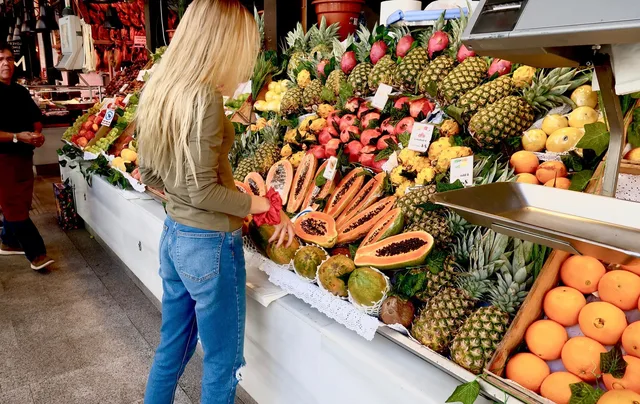
The morning paella classes are the easiest to recommend. You meet at a working market, usually Antón Martín, San Antón in Chueca or La Cebada, and the chef walks you past the stalls before anyone touches a pan. You learn what good saffron looks like and why the person behind the counter will tell you off for squeezing the tomatoes. If you like the market part, our guide to markets in Madrid shows where to wander afterwards.
Fun fact
Paella is Valencian, not madrileño. Valencian purists say a real one needs rabbit, snails and garrofón beans, and chorizo is the ingredient that starts the arguments. Many Madrid classes teach a friendlier chicken or seafood version, which tastes great but would not get a nod from a Valencian grandmother. Think of it as a fun skill to take home, not the taste of Madrid.
Madrid cooking classes for people who want the real Madrid on the plate
If you want cooking that is actually from the capital, ask for cocido madrileño, the chickpea stew served in courses that locals eat on cold days. It is slow and heavy, and it is wonderful. Group classes for visitors mostly stick to paella and tapas, so for cocido or a proper tortilla de patatas, look at private hosts and cooking schools and ask before you book.
Legend
The story goes that cocido grew out of adafina, a slow-cooked Sephardic stew prepared before the Sabbath. Food historians also point to the medieval olla podrida, and nobody has settled it. What is certain is that in February 2026 the Comunidad de Madrid declared cocido madrileño an intangible cultural heritage asset (Bien de Interés Cultural).
What a Spanish cooking class costs and what it includes
Group classes aimed at tourists usually run from roughly 70 to 100 euros per person, and private classes cost more. Prices change with the season and the host, so treat this as a range and check the live figure before you pay.
For that you normally get the ingredients, a professional chef or local host, the meal you cooked, wine or sangría, and a recipe sheet. Morning classes add the market visit. Ask about the recipes: a few reviewers say the promised sheet never arrived, so confirm it will be emailed.
Insider tip
Book the tapas class for your first or second night, not your last. The dishes you cook are the same ones every neighbourhood bar serves, so for the rest of the trip you can order them and tell instantly which croquetas were fried that morning and which came out of a freezer. A class at the start of the trip pays you back at every meal after it.
Related guides
Three Madrid cooking classes to start with
If you want a shortlist, these cover the main styles. The paella and sangría workshop in central Madrid is the easy first pick: a lively evening built around one big pan and plenty of wine.
If you have a sweet tooth, the paella, sangría and churro making class adds dessert to the menu, so you finish with something fried and dunked in chocolate.
For the tapas night, the 10 tapas cooking class is the one to look at. One listing for it does not admit children under 14, so it suits adults and older teenagers best.
Beginners, international visitors and English
You do not need cooking experience. Classes are built for people who have never cooked a paella, and the chef walks between stations helping. Most classes for international visitors run in English, and bilingual hosts are common, but the language is always on the listing. Check it, especially for private home classes.
How to book a cooking class in Madrid without regrets
Book ahead, and before you pay, check four things. First, how hands-on it is: you want to cook, not watch a demonstration while holding a glass.
Second, how big the group is, since a crowded kitchen means less time with the chef. Third, whether you can reach the kitchen, because some classes involve stairs and cannot take wheelchairs. Fourth, the cancellation window, which ranges from 24 hours to a week depending on the host.
Take the recipes home
A good cooking class in Madrid leaves you full, with one dish you can actually cook, and a slightly better idea of why Spaniards argue about rice. Cook the tortilla again at home and it will taste like the night you made it. If you would rather eat than cook, a Madrid food tour covers the best of Spanish gastronomy on foot.
Frequently asked questions
Are Madrid cooking classes suitable for families and kids?
Some are, many are not. Several classes set a minimum age of 12 or 14 because of knives and hot pans, and private classes are usually the better route for families. Ask the host before booking.
Can vegetarians, vegans or people with allergies take a class?
Vegetarians and pescatarians are usually fine, and gluten-free menus are often possible. Vegan menus are more limited, and classes are not recommended for coeliacs because of cross-contamination. Tell the host when you book, not on the day.
What is Madrid's typical food?
Cocido madrileño is the signature dish, and the city is also known for tortilla de patatas and squid sandwiches. Paella is on every menu too, but it comes from Valencia, not Madrid.
What are fun things to do other than Madrid cooking classes?
Wander a market, join a food tour, or catch a flamenco show in the evening. Our guides to food tours in Madrid and flamenco shows in Madrid are a good start.