Fifteen thousand people packed shoulder to shoulder under the Christmas lights of Puerta del Sol, every one of them clutching a little bag of grapes. The ball on top of the old clock starts to drop, the square goes strangely quiet, and then the whole of Spain eats at once, one grape per chime, half of them choking with laughter by the eighth bell. That slightly ridiculous minute is what New Year's Eve in Madrid is really about. The fireworks are a side act.
Getting it right as a tourist takes a bit of planning, though. The square fills up hours ahead, the metro station closes, bars lock their doors before midnight and the grape ritual has a trap that catches first-timers every single year. So whether you want the crush in the square, a long dinner or a club that keeps going until the sky turns pink, this is how to celebrate New Year's Eve in Madrid like a madrileño.
Why Puerta del Sol is the heart of New Year's Eve in Madrid
Puerta del Sol is the city's central square and, on 31 December, the centre of the country. The clock on top of the Real Casa de Correos, a red-brick building put up for the Bourbon king Charles III in the 1760s, sets the time for the whole nation. Every major Spanish TV channel broadcasts its chimes live, so from Cádiz to Galicia, millions of people wait for this one clock with a grape in hand.
The square itself is small, which is part of the magic and part of the problem. In recent years capacity has been capped at 15,000 people. Police clear the plaza at around 9pm, set up barriers and reopen it after bag checks, letting people in through four streets: Calle Alcalá and Carrera de San Jerónimo from the east, Calle Mayor and Calle Arenal from the west. Calle Preciados and Calle del Carmen are kept for leaving. Once the count hits the limit, the gates close, however hard you plead.
Glass bottles, firecrackers and flares get confiscated at the checkpoint, so bring cava in plastic or buy a small can once you are through. There are no toilets inside and nowhere to sit, and pickpockets love a distracted crowd, so keep your phone in a front pocket.
Legend
The story goes that the clock owes its life to a runaway shepherd. José Rodríguez de Losada, born in a tiny village in León, fled home as a teenager after losing one of the family's calves, ended up a political exile in London and worked his way up from sweeping a watchmaker's shop to running his own on Regent Street. In 1866 he gifted Madrid the clock that still rules New Year's Eve.
The 12 grapes at midnight: how the iconic grape-eating tradition works
At the stroke of midnight the clock rings twelve times, and you eat one grape per chime. Swallow all twelve before the last bell and you get twelve lucky months, one for each grape. The chimes come roughly every three seconds, which sounds generous until you have a mouth full of seeds and a stranger's elbow in your ribs.
Nobody agrees on where the Spanish tradition began. The popular version says vine growers in Alicante had a huge grape harvest in 1909 and sold the surplus as "lucky grapes". Another story goes back to the 1880s, when wealthy Madrid families copied the French habit of grapes and champagne at New Year, and ordinary madrileños turned up in Puerta del Sol to eat grapes and poke fun at them. Either way, over a century later, the lucky grapes are non-negotiable.
Insider tip
Do not start eating when the bells first ring. Just before midnight the ball on the tower drops to the sound of a carillon, then come four double tones called the cuartos (the quarters). Those are the warning, not the chimes. Every year tourists start chewing on the cuartos, run out of grapes early and watch the whole square laugh at them. Wait for the first slow, single chime, then go.
Supermarkets sell tins of 12 peeled, seedless grapes called uvas de la suerte. They are a lifesaver in the crush, but buy them on the morning of the 31st, because most shops close early that afternoon.
Plenty of Spaniards also wear red underwear for good luck (new, ideally a gift) and drop a gold ring into their glass of cava, which only works if you drain the glass after midnight. After that, you toast the old year, kiss whoever is next to you and start hugging strangers. Nobody minds.
Want the square without the stress? Go on the 30th
Most visitors never hear about this one. On 30 December the clock runs a full rehearsal at midnight, the preuvas, and thousands of locals turn it into a party of its own. Same square, same chimes, same capacity rules, but a more relaxed crowd, and many people swap grapes for sweets. Do the practice run on the 30th, then spend the 31st at a dinner, a rooftop or a club without worrying about queues.
How to get to Puerta del Sol and home again
Sol metro station closes from 6pm on the 30th and 31st, and trains simply pass through. Get off at Ópera, Sevilla, Tirso de Molina or Callao instead and walk the last stretch. In recent years the Madrid metro has run until about 1:30am on New Year's night and reopened at 7am on 1 January, a bit later than usual.
| Option | What to expect on 31 December |
|---|---|
| Metro | The easiest way in: get off one stop away and walk |
| Night bus | Daytime buses stop around 9:30pm; night buses (búhos) run from Cibeles all night |
| Taxi | Very hard to find after midnight; expect long queues near the centre |
| Walking | The best option around the centre, the old town is compact |
Where to celebrate New Year's Eve in Madrid beyond the square
Plaza Mayor
A short walk from Sol, it catches the overflow crowd and the atmosphere, with the Christmas market stalls often still up. You will hear the chimes on phones and speakers rather than from the clock itself.
A gala dinner
Many restaurants shut early on the 31st because Spaniards eat at home with family, so the ones that stay open serve fixed menus with cava, grapes and a party bag. Book weeks ahead. A flamenco show with dinner and midnight grapes is one of the most memorable ways to spend the night, with incredible food and a stage instead of a crush.
A rooftop or hotel terrace
The roofs along Gran Vía and around Sol host ticketed parties with DJs, a balcony view of the city and the chimes on a big screen. General entry tickets sell out, so book early.
A bar near Santa Ana
Plaza de Santa Ana and Huertas are full of bars and restaurants, but many close around 9pm and reopen after midnight. Pick one that is staying open for the TV broadcast and dance the night away once the grapes are gone.
Madrid's nightlife after midnight: clubs and parties
The real party starts at around 1am. Madrid's clubs throw a cotillón, a New Year party with hats, confetti and noisemakers, and the dancing goes on until 6 or 7am. Tickets usually include a drink or two. Prices climb as the date gets closer, so buy early. Dress warm for the queue: Madrid nights in late December often sit near freezing.
On the way home, do what every madrileño does and stop at Chocolatería San Ginés, tucked behind Calle Arenal. It has served chocolate con churros since 1894, stays open 24 hours and turns into the city's busiest breakfast spot at 4am on 1 January. Yes, there will be a queue. It moves.
Things to do on 31 December before the party
Run or watch the San Silvestre Vallecana
This 10 km race takes over Madrid on the afternoon of the 31st, running from near the Bernabéu past Puerta de Alcalá, Cibeles and Paseo del Prado to Vallecas. Plenty of runners do it in fancy dress. Race entries sell out, but cheering from Paseo del Prado costs nothing.
See the Prado before lunch
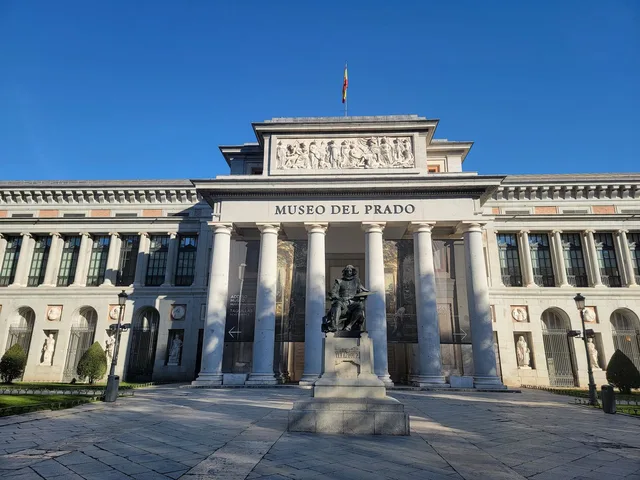
It opens with shorter hours on the 31st, so go early: a morning with Velázquez and Goya is a calm counterweight to the madness coming later. A guided tour or a walking tour through the old town is a good way to explore Madrid and find your bearings before dark.
Walk the Christmas lights
From Sol, stroll past the statue of the bear and the madroño tree, up Calle Preciados and along Gran Vía while the lights are still switched on.
Frequently asked questions
Is Madrid good for New Year's Eve?
Yes, if you like a big, noisy, communal celebration. The grape ritual at Puerta del Sol is one of Spain's great traditions, and the nightlife carries on until breakfast. If you want huge fireworks over water, other cities do that better.
Do I need tickets for New Year's Eve in Madrid?
Puerta del Sol is free, first come first served. You only need tickets for gala dinners, flamenco shows, rooftop parties and club events.
Are there fireworks in Madrid on New Year's Eve?
Some years there are, and in recent years a light show has been projected onto the Real Casa de Correos before midnight. The chimes are the main event, though, so don't expect a Sydney-style display.
Is Barcelona or Madrid better for New Year's?
Barcelona puts on fireworks and projections at Plaça d'Espanya. Madrid has the national grape moment at Puerta del Sol and later nightlife. Go to Madrid for tradition, Barcelona for spectacle.
Are things closed in Madrid on 1 January?
Most shops and many museums close on New Year's Day, including the Prado and the Reina Sofía. It is a good morning for Retiro Park, a late brunch and a slow walk.
How long do the New Year celebrations last?
The countdown lasts well under a minute, but the party lasts all night. Clubs close around 6 or 7am, and the Christmas season carries on until 6 January.
Ringing in the year the Madrid way
However you spend the night, the bit you will remember is those 36 seconds under a clock that has told Spain when to celebrate since 1866. Get small grapes, wait for the right bell and let Madrid handle everything after that. Feliz Año Nuevo.