Picture it: a sunny terrace in La Latina, a cold caña sweating on the table, a little plate of olives you didn't order, and a bill that makes you check it twice because it seems too low. That moment happens to a lot of people on their first trip to Madrid, and it is usually when the question in the back of their mind finally gets answered.
So, is Madrid expensive? For a Western European capital, no. It is one of the best value big cities on the continent, cheaper than Paris, London or Amsterdam, and in 2026 noticeably cheaper than Barcelona for a hotel stay. But Madrid can still empty your wallet if you eat on Plaza Mayor, ride taxis everywhere and pay full price for museums that open their doors for free every evening. So here's what things actually cost, and where your euros go furthest.
Is Madrid expensive to visit? The honest answer
Madrid sits in a sweet spot. Prices are higher than in smaller parts of Spain like Granada or Seville, but well below most European capitals, and the city gives away an unusual amount for free: huge parks, free museum hours, and a walkable city centre where most of the best places sit within half an hour of each other on foot.
Your daily costs depend far more on your accommodation and eating habits than on the city itself. These are realistic per-person figures for a trip to Madrid, including a bed for the night:
| Travel style | Daily budget per person | What that looks like |
|---|---|---|
| Budget travelers | €50 to €70 | Hostel bed, menú del día lunch, tapas for dinner, metro, free museum hours |
| Mid-range | €120 to €180 | 3-star hotel room shared, sit-down dinners, one or two paid attractions a day |
| Comfortable | €250 and up | 4 or 5-star hotel, tasting menus, private tours, taxis |
If you are on a tight budget, the lower end is genuinely doable here in a way it simply isn't in Paris or London. Mid-range is where Madrid feels like good value: the same money that buys a cramped room and a sandwich in many European capitals buys a proper hotel and a long lunch.
How much does it cost? Everyday Madrid prices
These are the prices you will actually meet as you wander. Tourist-facing spots charge more, so treat the ranges as "normal bar, one street back" prices.
| Item | What you can expect to pay |
|---|---|
| Coffee and a simple breakfast at a local café | €3 to €5 |
| Caña (small draught beer) in a neighbourhood bar | €1.80 to €2.50 |
| Caña on or around Plaza Mayor | up to €4 |
| Menú del día (three-course lunch with a drink) | €10 to €19, around €15 on average |
| 10-trip metro and bus ticket | €7.30 |
| Taxi from the airport to central Madrid | €33 flat fare |
That €5 breakfast and €15 lunch are the backbone of an affordable day. Keep dinner to a few tapas and a glass of wine and you have eaten very well for less than many cities charge for a single restaurant main.
Accommodation: the cost Madrid quietly keeps low
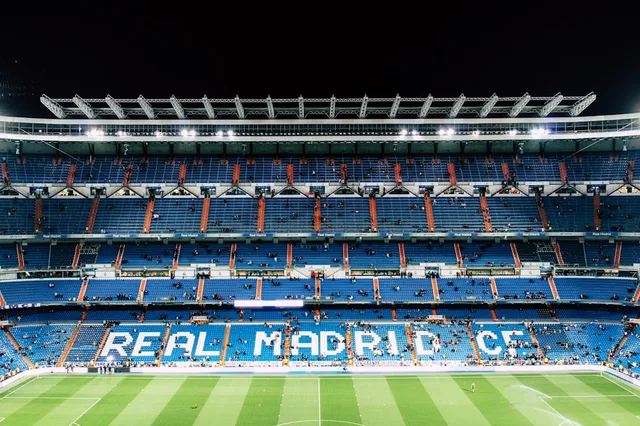
A bed is always your biggest expense, and Madrid has one advantage here that most travel guides skip. Hostels in central Madrid typically run €30 to €60 a night, and mid-range hotels €80 to €150, with prices rising around big football matches, trade fairs and the spring and autumn peaks.
For the best mix of price and location, look at Sol and Huertas for walking distance to almost everything, Malasaña for bars and nightlife, and Lavapiés for the lowest room rates close to the centre. Salamanca and the streets around Gran Vía are where places to stay get pricier. Our guide to cheap hotels in Madrid has specific picks by neighbourhood.
The tax Madrid doesn't charge
Madrid has no tourist tax. The city council rejected one again in July 2026, arguing that tourism already pays its way. Barcelona went the other direction: since 1 April 2026 its combined tax is up to €12 per person per night, and €8.40 in a 4-star hotel.
Do the maths for a couple on a long weekend of four nights in a 4-star hotel and Barcelona adds €67.20 to the bill before you have bought a single coffee. In Madrid, that money stays in your pocket for a very good dinner instead.
Restaurant prices and tapas bars: how Madrid feeds you cheaply
The single best money habit in Madrid is eating your big meal at lunchtime. The menú del día, served roughly from 1pm to 4pm on weekdays, gives you a starter, a main, dessert or coffee, bread and a drink for a fixed price. Where you eat it matters: the streets right around Sol charge the most, while Lavapiés and Embajadores still have menus from €10 to €13, and Malasaña and Chamberí land in between.
In the evening, move to the tapas bars. Order a caña or a glass of wine, share a few raciones, and move on to the next bar. That is how people in Madrid eat, and it is far cheaper than a formal dinner. Some bars in La Latina, Lavapiés and Malasaña still bring a small free tapa with your drink. It is not a guaranteed rule like it is in Granada, but it happens often enough to feel like a small gift.
Legend
The story of the menú del día is stranger than most people expect: it was invented for tourists. In 1964, with Spain trying to win over foreign holidaymakers, the tourism ministry under Manuel Fraga ordered restaurants to offer a fixed-price "menú turístico". A 1965 rule even set the maximum prices by restaurant category, from 50 pesetas in the humblest places to 250 in luxury dining rooms.
The story goes that waiters often steered foreigners towards the à la carte menu, saying the cheap menu wasn't as good. The tourists listened. Spanish office and factory workers didn't, and made it their own. It became the "menú de la casa", then the menú del día, and the state stopped fixing its price in 1981. Sixty years later, it is still the best-value meal in the city.
If you want someone to show you where locals actually eat, a self-guided tapas tour costs €35.00 and takes the guesswork out of your first night.
Public transport: the cheapest part of your trip
Madrid's public transportation is excellent, and thanks to regional subsidies that run until the end of 2026, it is very cheap. A single metro ticket in the central zone costs €1.50 to €2.00 depending on how many stations you ride. The smarter buy is the 10-trip ticket at €7.30, valid on the metro, city buses and light rail. That works out at 73 cents a ride. You load it onto a reusable Multi card, which costs €2.50 once and can be shared by a group travelling together (tap it once per person).
The one thing that catches people out is the airport. Metro stations at the airport add a €3 supplement to single and 10-trip tickets. The Tourist Travel Pass for zone A includes that supplement, costing €10.30 for one day, €17.50 for two, €23.10 for three and €43.20 for seven. It only beats the 10-trip ticket if you ride a lot every day, so most visitors are better off with the 10-trip and their own two feet. Central Madrid is walkable, and the walk from Sol to the Prado takes about 15 minutes.
For three or four people with luggage, the €33 flat taxi fare from the airport to anywhere inside the M-30 ring road is honest value, with no extras for bags, nights or weekends. Our Madrid airport to city centre guide compares every option.
Madrid attraction prices, and when they cost nothing
Madrid's big museums are affordable even at full price, and every one of the Golden Triangle museums has free hours:
| Museum | Ticket price | Free entry hours |
|---|---|---|
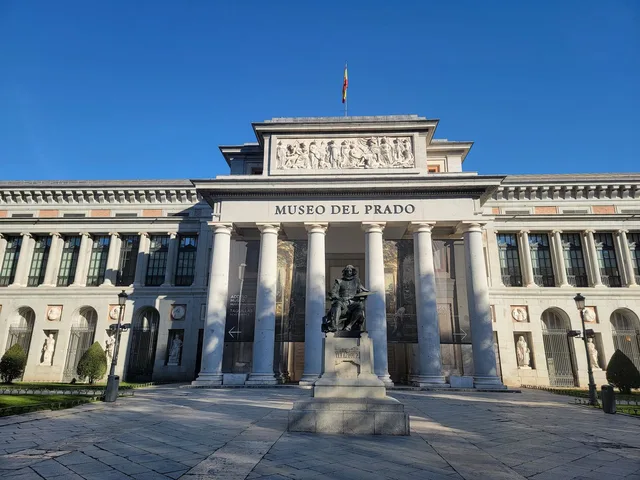
| Museo del Prado | €18.00 | Monday to Saturday 6pm to 8pm; Sundays and holidays 5pm to 7pm |
| Museo Reina Sofía | €12.00 | Monday and Wednesday to Saturday 7pm to 9pm; Sunday 12:30pm to 2:30pm (closed Tuesdays) |
| Thyssen-Bornemisza | €14.00 | Mondays 12pm to 4pm |
The catch with free hours: two hours at the Prado is barely enough to find Las Meninas and Goya's Black Paintings, and queues form before the doors open. If art is the reason for your trip to Madrid, the Paseo del Arte Card at €40.00 covers all three museums and lets you take your time. If you'd rather keep the money for dinner, our guide to free museums in Madrid covers the free windows in detail.
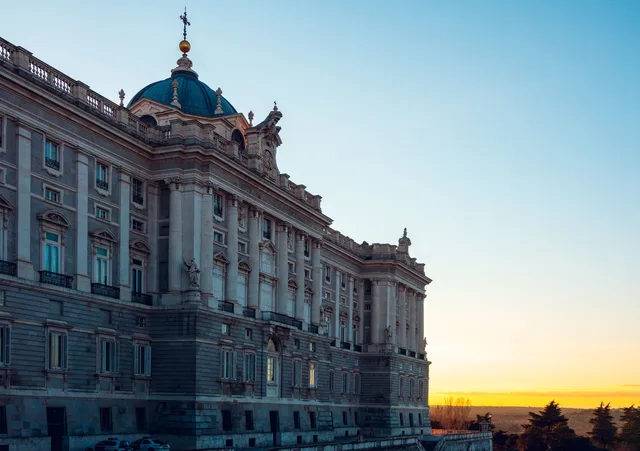
Other paid highlights stay reasonable too. The Royal Palace costs €22.00 with fast-track entry, and a flamenco show at Tablao Opera Flamenca starts at €15.00.
Local tip
Mondays are the free-art jackpot. Start at the Thyssen between 12pm and 4pm, have a long menú del día lunch, walk to the Prado for 6pm, and finish at the Reina Sofía, which stays free until 9pm. Three world-class museums in one day, and all you paid for was lunch.
Is Madrid expensive compared to other European cities?
Compared to other European capitals, Madrid is one of the most budget-friendly. Paris, London, Amsterdam, Dublin and the Scandinavian cities are all clearly pricier for hotels, meals out and a night of drinks. Rome is roughly comparable, and cheaper cities in Central and Eastern Europe, such as Budapest or Kraków, will stretch your budget further.
Madrid or Barcelona?
Food and drink prices are close, with Barcelona's touristy centre charging a little more. The real gap is accommodation: Barcelona hotels tend to cost more and, since April 2026, the doubled tourist tax pushes a stay further apart. Within Spain, Madrid is more expensive than smaller cities like Granada, Valencia or Seville, where tapas bars are cheaper still.
Where tourists overspend in Madrid
The terraces on Plaza Mayor and Puerta del Sol are the classic trap. You are paying for the view, and a caña there can cost double what it does two streets away. Have one for the photo, then walk into La Latina for the next round.
Dinner at 8pm on the busiest streets is the second. Restaurants that open that early are mostly cooking for visitors. Eat when Madrid eats, around 9pm to 10pm, and you'll end up in the places locals actually choose.
The quieter leaks are a transport pass you barely use, full-price museum tickets bought for an afternoon you could have visited for free, and forgetting the €3 airport supplement until the metro barrier refuses to open.
Travel tips for visiting Madrid without breaking the bank
- Pick up fruit, cheese and bread at a neighbourhood market like Mercado de San Fernando in Lavapiés and turn lunch into a picnic in the Retiro. - Drink tap water: it is safe and restaurants will bring it if you ask for "agua del grifo". - Spend your free time in El Retiro, Madrid Río and the Temple of Debod at sunset. Our list of free things to do in Madrid has plenty more. - Stay in or near the city centre. A cheaper room far out often costs you in time and transport. - Travel in winter or in the heat of July and August, when many hotels drop their rates.
Is Madrid expensive to live in?
This is where the answer changes. For people who live in Madrid, the cost of living has risen sharply, and rent prices are the main reason. Compared to the average salary, a flat in central Madrid is now expensive to live in, and many locals share or move further out. If you have lived in Madrid or other big cities in Spain, you will hear the same complaint everywhere. But the cost to live in Madrid and the cost of visiting are two different things: visitors feel the cheap menus, the cheap metro and the free museums, not the rent.
So, is Madrid worth the money?
Madrid can be enjoyed on almost any budget. The best things the city has to offer (long lunches, late nights, art at sunset, a walk through the Retiro) cost very little. Spend where it matters to you, whether that is a good hotel, a flamenco night or the Prado with time to breathe, and save everywhere else. Most people fly home with money left over and a list of bars they want to go back to. For a European capital, that's rare.
Frequently asked questions
Is 100 euros a day enough in Madrid?
Yes, for most travellers sharing a room. It covers a budget hotel or a private hostel room, a lunch menu, tapas in the evening, the metro and one paid museum. On your own in a hotel it gets tighter, so lean on the free museum hours.
How much does an evening of tapas cost in Madrid?
In a normal neighbourhood bar, a few drinks and shared raciones usually come to €20 to €30 per person. A sit-down restaurant in the centre costs more.
How much should I budget for a long weekend in Madrid?
For three nights on a mid-range budget, plan roughly €400 to €550 per person including your hotel, food, local transport and a couple of paid attractions. Budget travelers staying in a hostel can do it for around €200.
Do I need to tip in Madrid?
Tipping is not expected. Locals round up or leave a euro or two for good service at a restaurant, and nothing at the bar.